
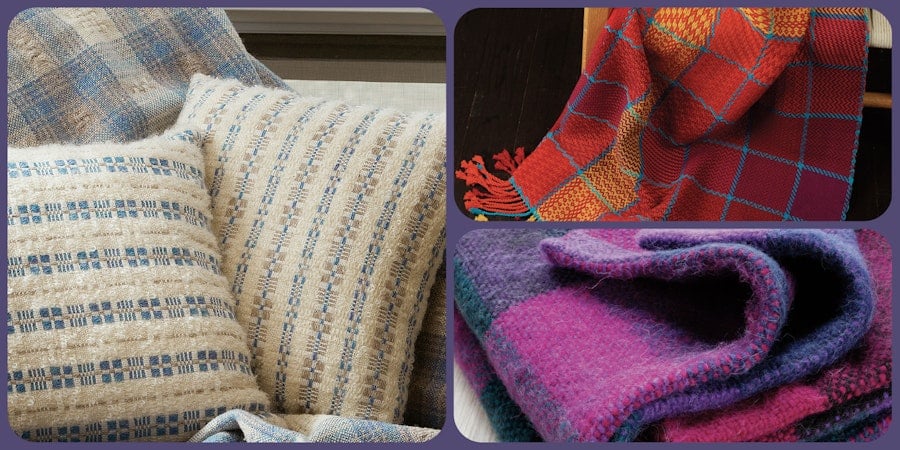
Download this free booklet that includes three 4-shaft blanket and throw patterns: a lush alpaca blend blanket, a twill gamp that doubles as a throw and twill study, and a set of coordinating pillows and blanket.
Did you know the origin of the word sabotage is weaving-related? There are two competing etymologies, but both have to do with the textile industry.
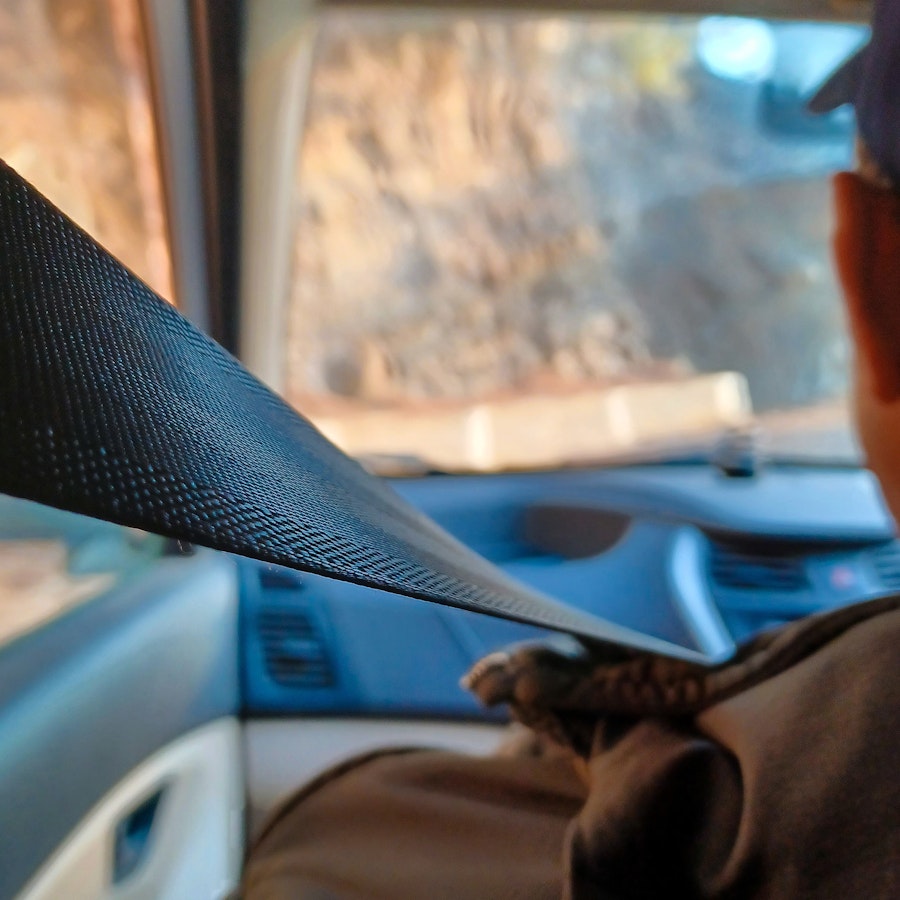
Weaving can be a life-saver...literally, in the case of woven seat belt material! Find out how seat belt webbing is woven, now and in the past.
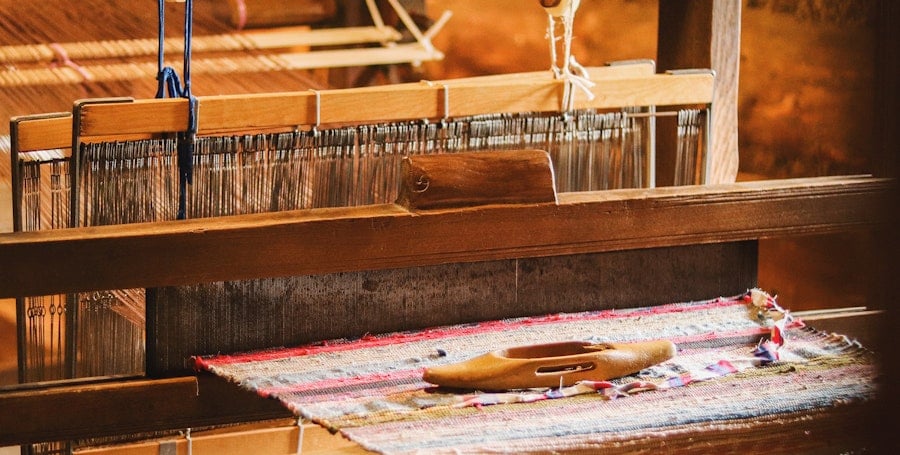
So, you’ve decided you want to take up weaving! The first thing you’ll need is a loom. Here are some different types of weaving looms and tips on how to choose your first loom.
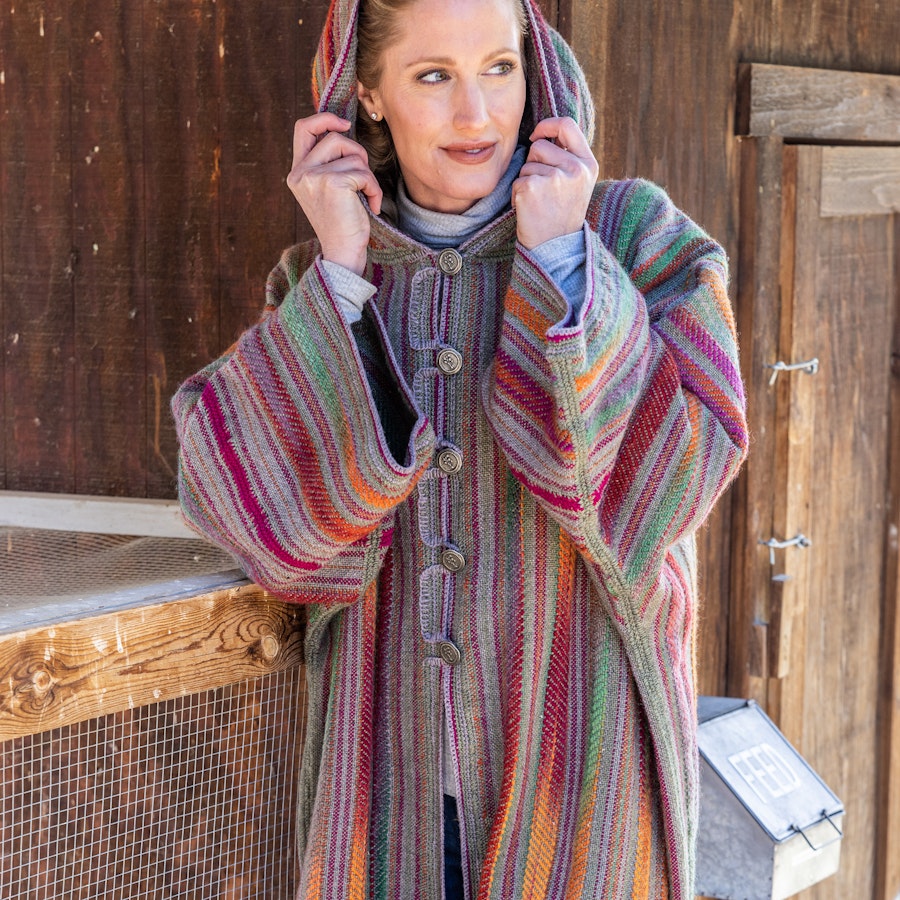
Handpainted skeins need to be handled differently than solid colored skeins or cones to keep the colors pooled in your warp. A circular warp will keep the colors together.
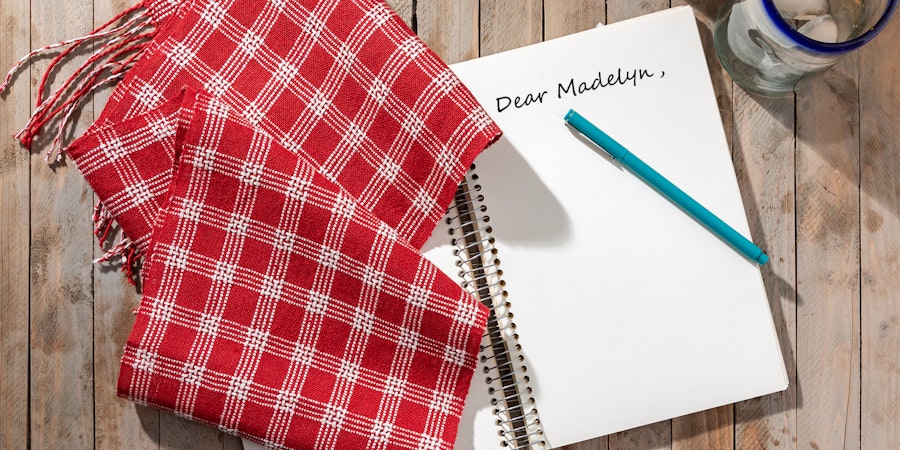
Block weaves are structures in which groups of warp and weft threads can produce two different-looking interlacements, one that identify as “pattern,” the other as “background.”
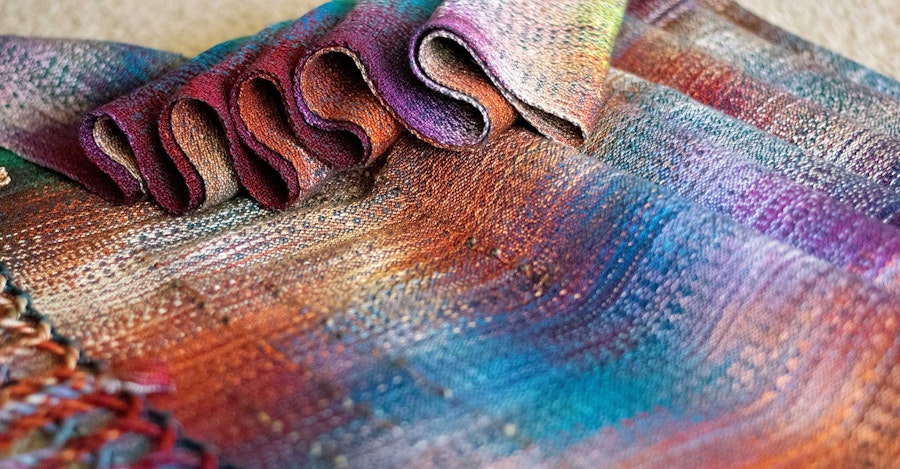
Why not give dyeing your own warps a try? It isn't scary or really that hard. Here is how to get started.
Subscriber Exclusive
You've gotten to the point of knowing what you are weaving and what you are weaving with, here's how to figure out warp length and how much yarn you'll need for your project.
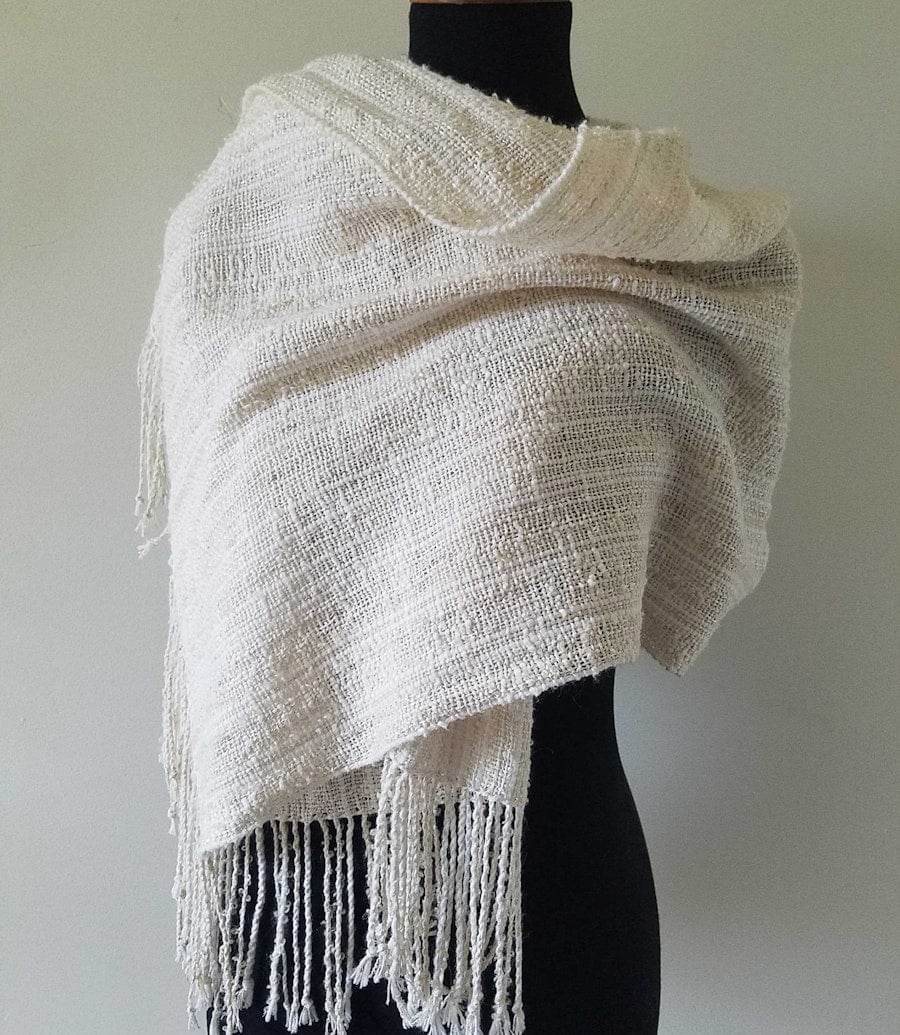
After realizing I didn’t like the untwisted fringe on a shawl, I set about twisting it and in the process learned a new-to-me way of making fringe even.
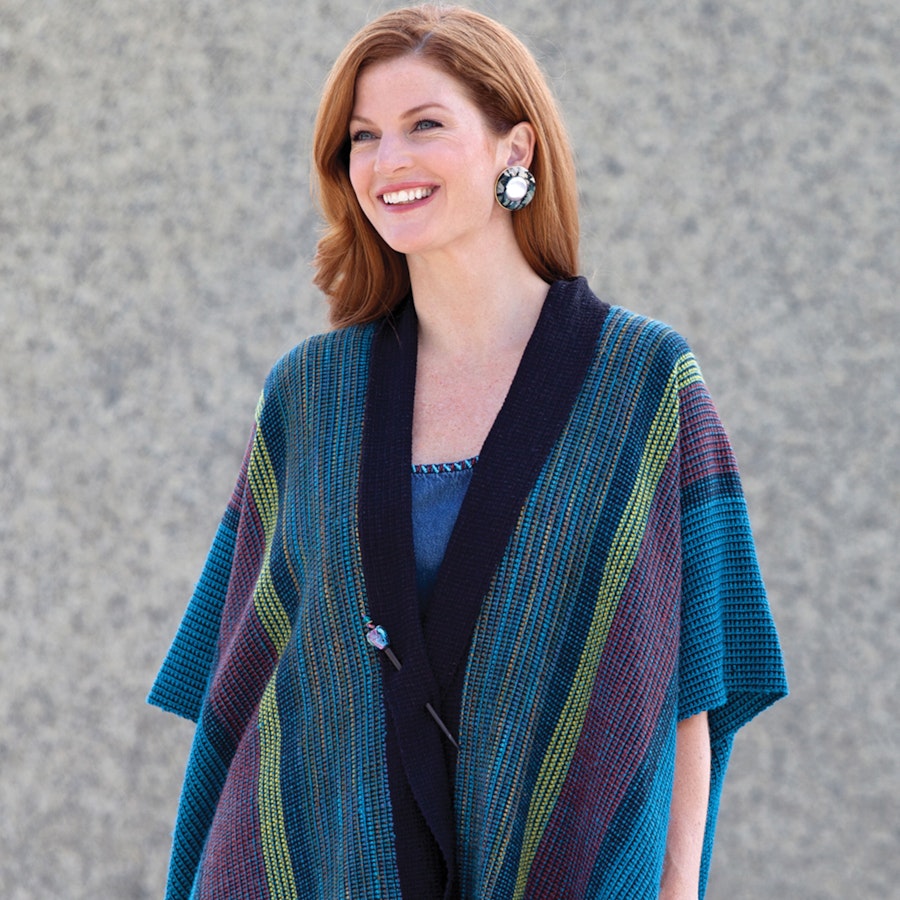
Every loom has its limits, but that needn’t stop you from making attractive handwoven garments.