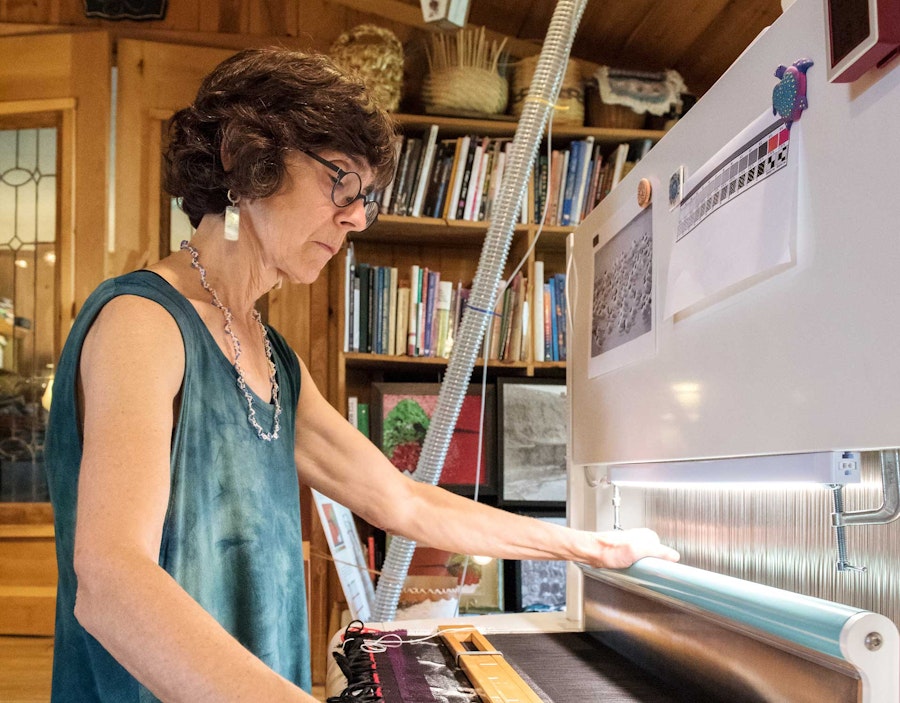
Mary Burns uses a Jacquard loom to weave her pictorial pieces. As part of her work on the The Ancestral Women Exhibit she met with Tinker, a member of the Eagle Clan of Lac du Flambeau, Wisconsin.
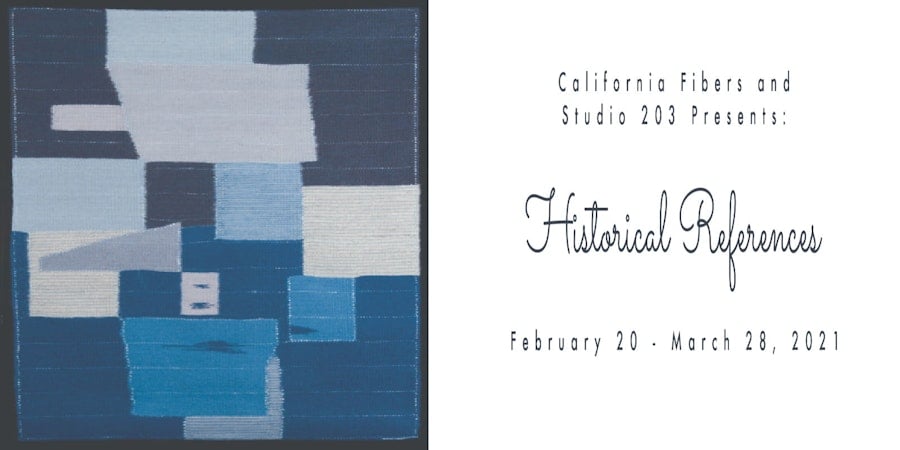
In their upcoming exhibit, artist group California Fibers explores history through textiles.
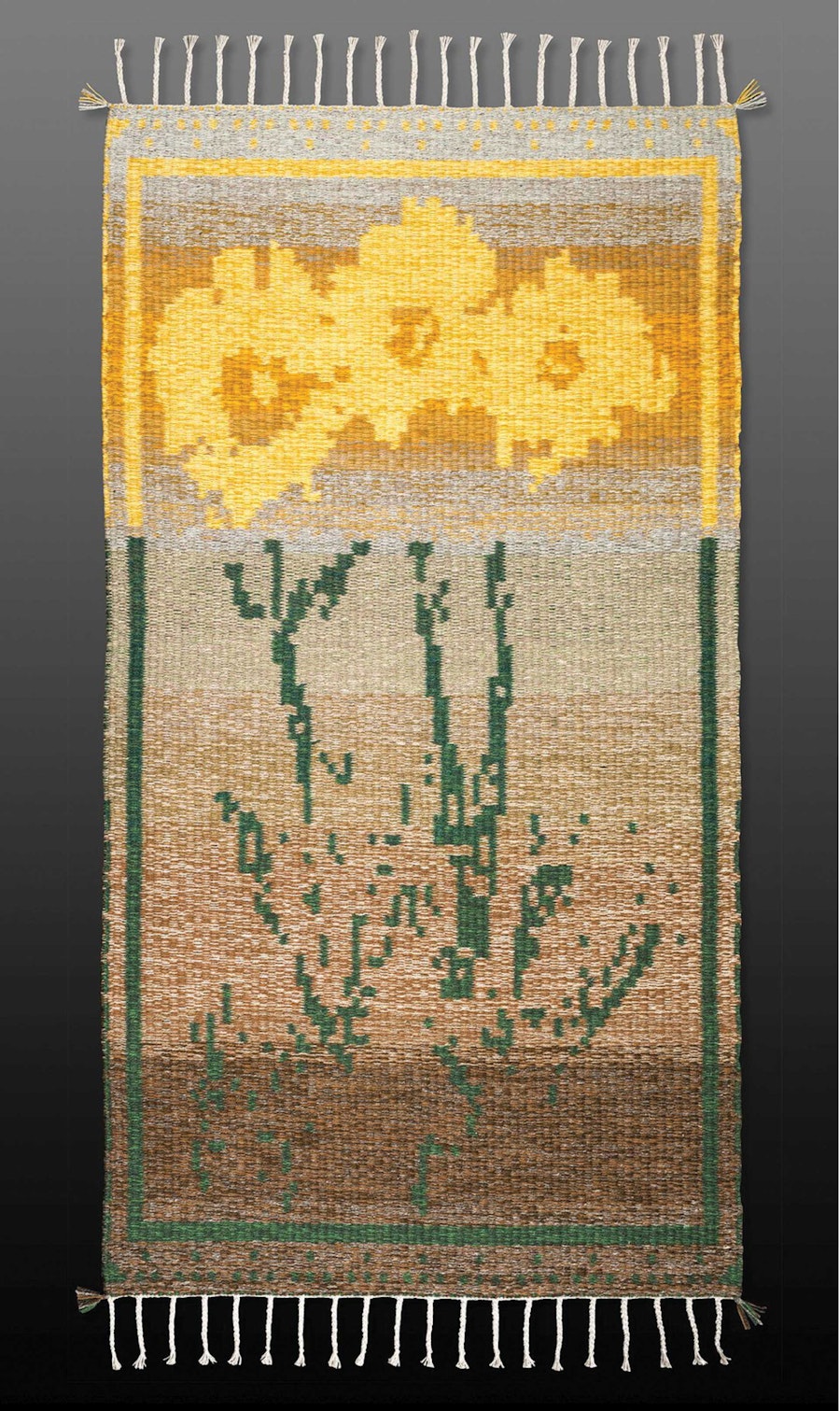
Carol Irving took a friend's weaving challenge and ran with it. The end result was a series of tapestries based on Michigan's endangered wildflowers.
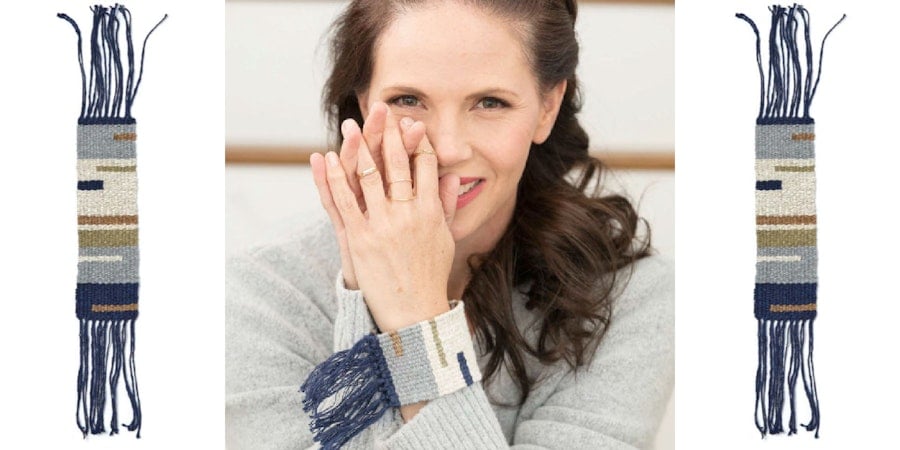
By the end of the day, I don’t have the energy to warp my loom. Fortunately, there are options for looms that don’t require hours of warping or careful planning: frame looms.
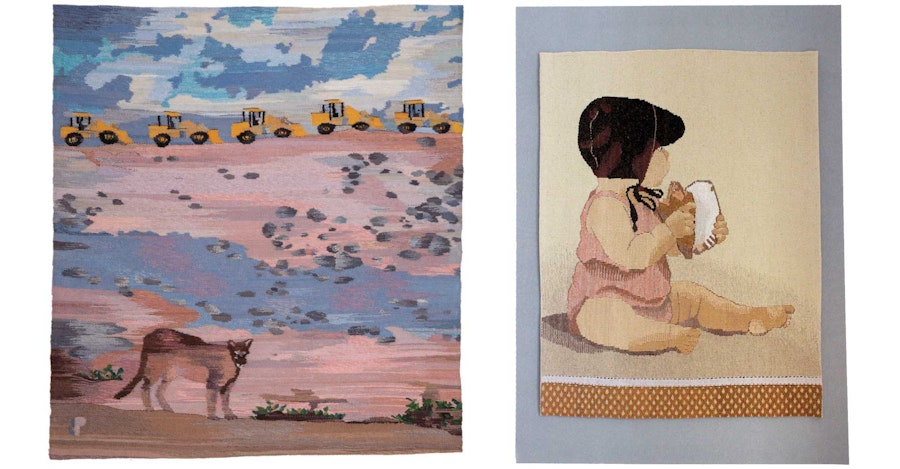
In their new exhibit, IMPACT: Climate Change, members of Tapestry Weavers West (TWW) and Tapestry Weavers in New England (TWiNE) showcase woven works focusing on the artists’ concerns related to climate change and how it affects the natural environment.
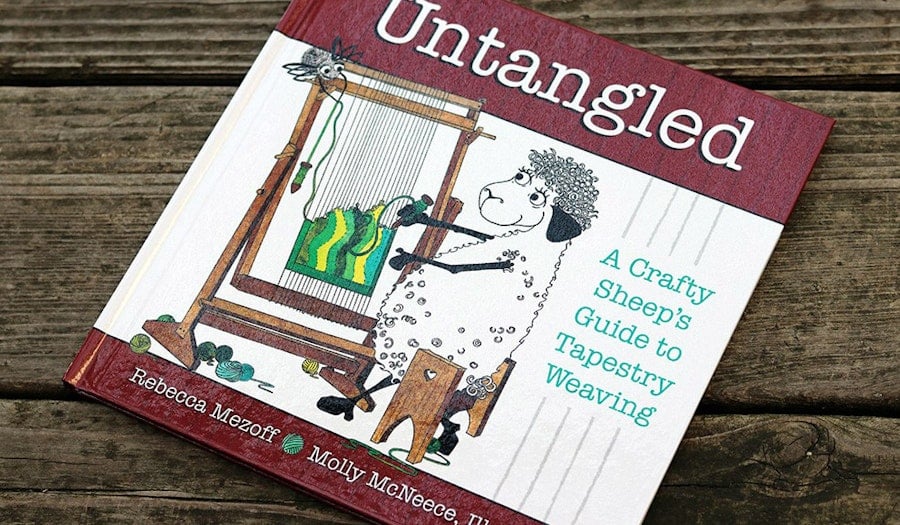
Rebecca Mezoff's little tapestry book, Untangled might be just what you need to get your tapestry weaving on track.
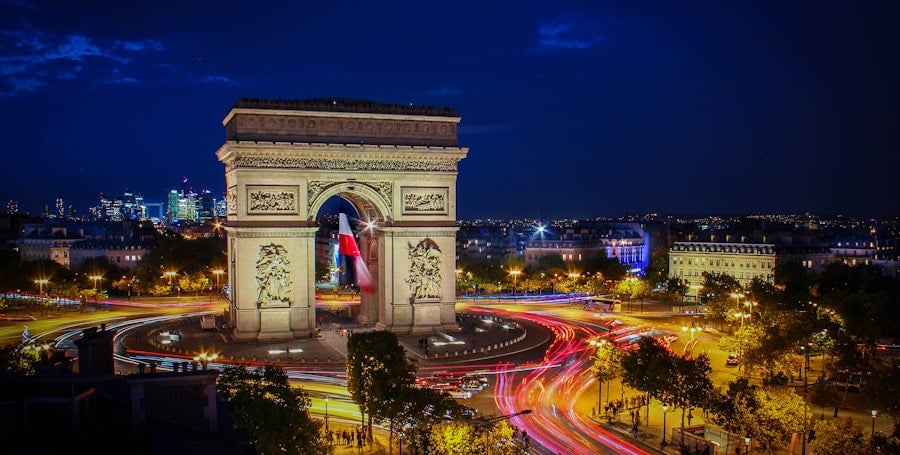
On July 14, France celebrates Bastille Day (or as they call it “Quatorze Juillet”), the anniversary of the storming of the Bastille prison in 1789 that marked a turning point in the French Revolution—well, the first of their revolutions, anyway.
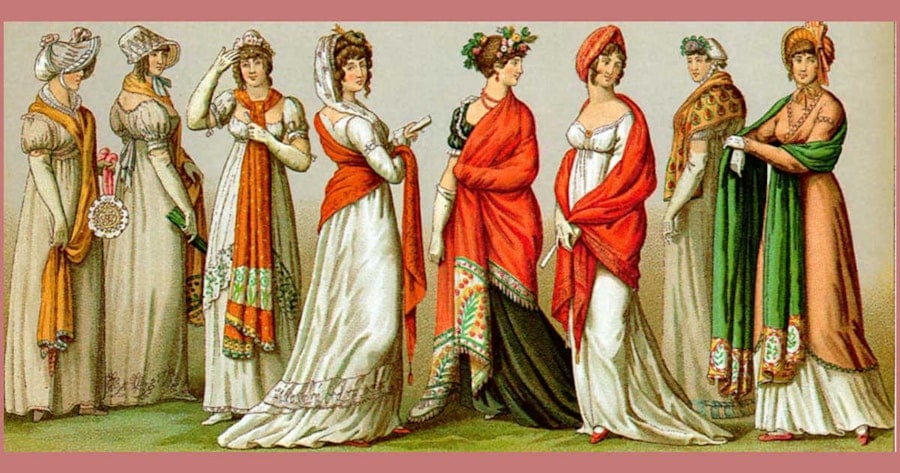
During the mid- to late-eighteenth century, drizzling became quite the fashion in France to carefully remove gold and silver threads from other textiles so they could be sold.
I believe weaving is on the upswing. It may be strictly anecdotal and I may be biased (imagine!), but in the past few years, I’ve noticed many new weaving books being published, a surge in membership in my own weaving guild, and more interesting weaving.