
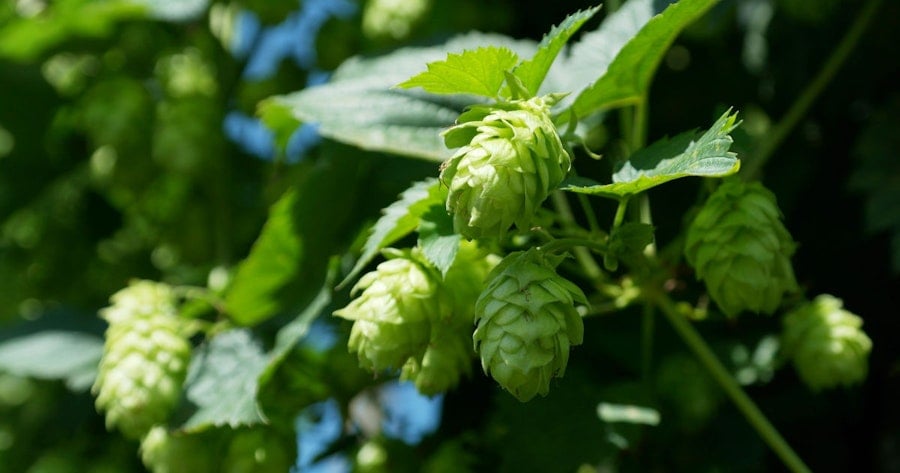
Finding an appropriate floral draft was easy, but I soon realized that if I wanted to weave hops, I would need to figure out the pattern myself.
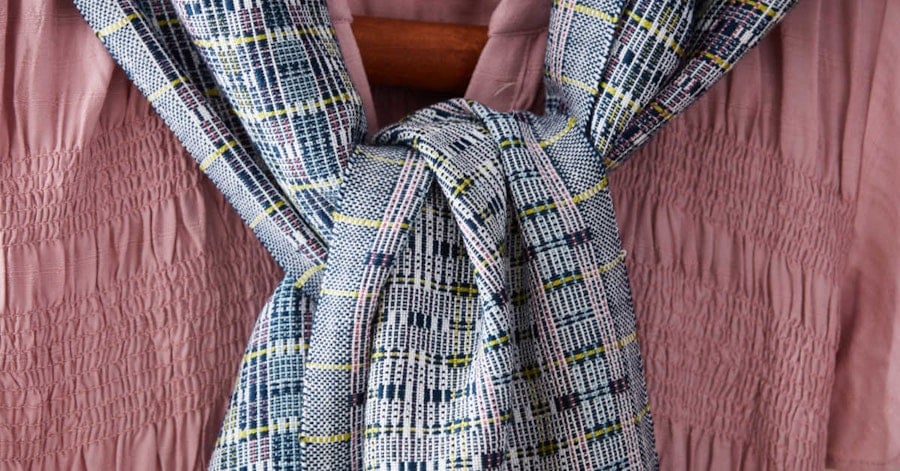
Deborah Heyman chose to explore in her gorgeous Playing in the (Bateman) Park Scarf for the March/April 2019 issue of Handwoven.
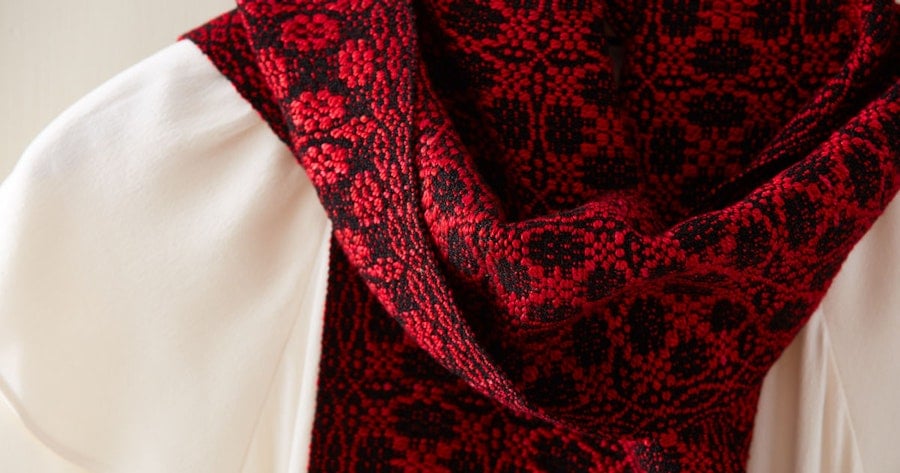
Weaving the original Ancient Rose overshot scarf was my way of reclaiming who I was as a person and a weaver.
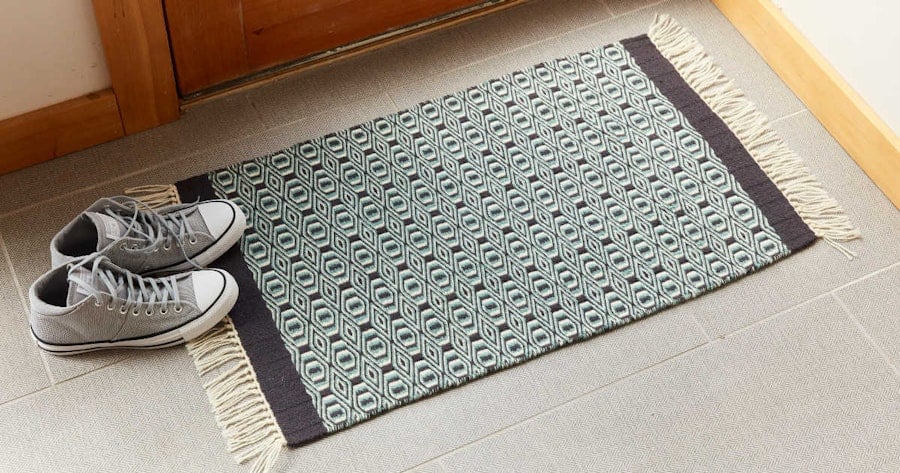
For her Diamonds and Bars Twill Rug in the March/April 2019 issue of Handwoven, Patricia Crane took a saddle blanket designed and woven by Clotilde Barrett and turned it into a rug that can be enjoyed by anyone and everyone.
If I want to weave a structure such as overshot, summer and winter, or a lace weave double wide for a tablecloth, what problems can I expect? I have just given away my large floor loom and will be using a 36” table loom for this.
When it comes time to tie on the warp threads at the front, I consistently get a diagonal line of threads, with the threads on one side being shorter than the other.
The most important principle about irregular sleying orders is to spread the threads as evenly as possible throughout the reed.
It isn’t that easy to have looms in two places unless you are willing to create two weaving studios.
I wove a scarf with rayon chenille warp and a silk/cotton weft. Now I have a chenille fringe that is raveling away. What would be the best way to avoid a "bare" fringe for this scarf?
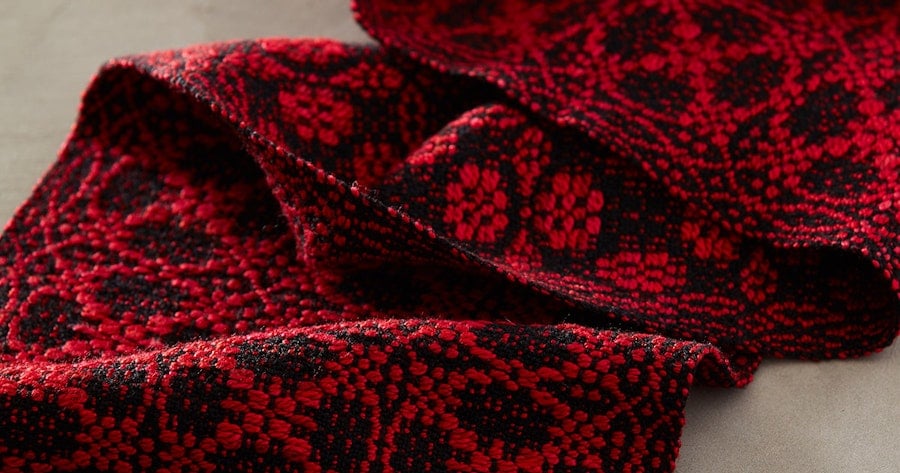
Nervous about giving overshot weaving a try? Here are five tips from designer Pattie Graver to ensure great overshot results!