
Subscriber Exclusive
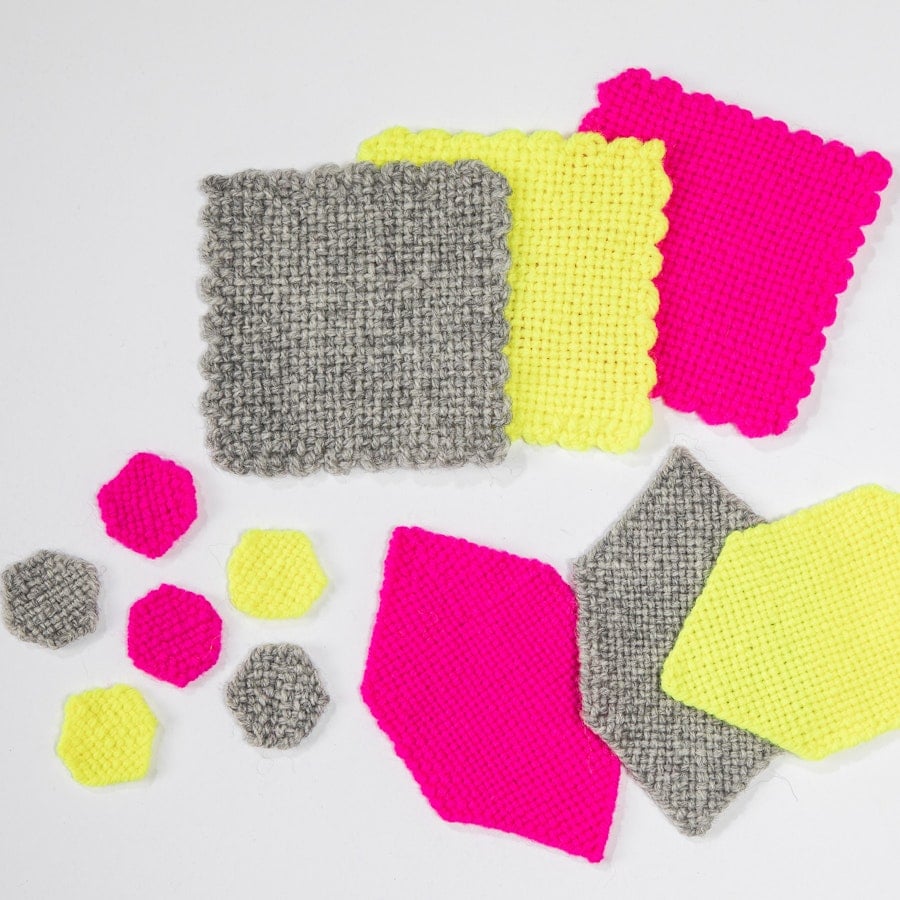
I was so intrigued by what Liz Moncrief had to say about Brown Sheep’s bright yarns for the September/October 23 Yarn Lab that I felt compelled to do my own mini Yarn Lab using pin looms and rigid-heddle looms.
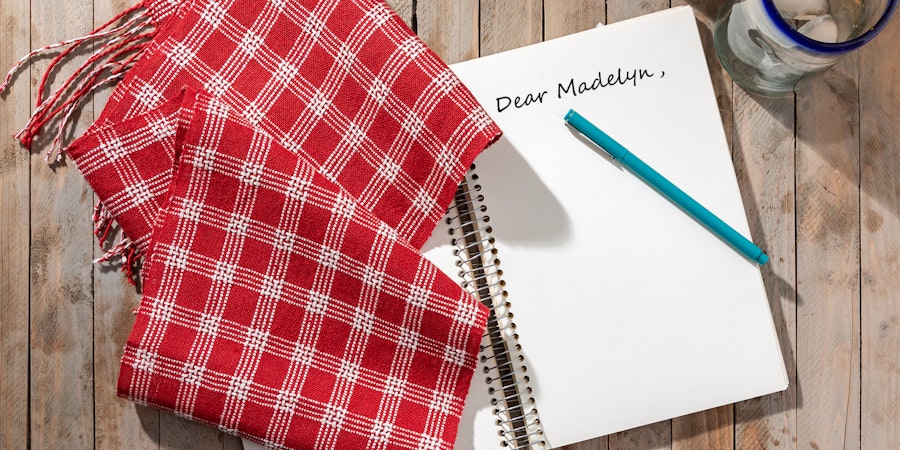
Sometimes the relationship between the warp color order and the weaving draft isn't obvious and you have to read them carefully to understand their connection. Madelyn explains how.
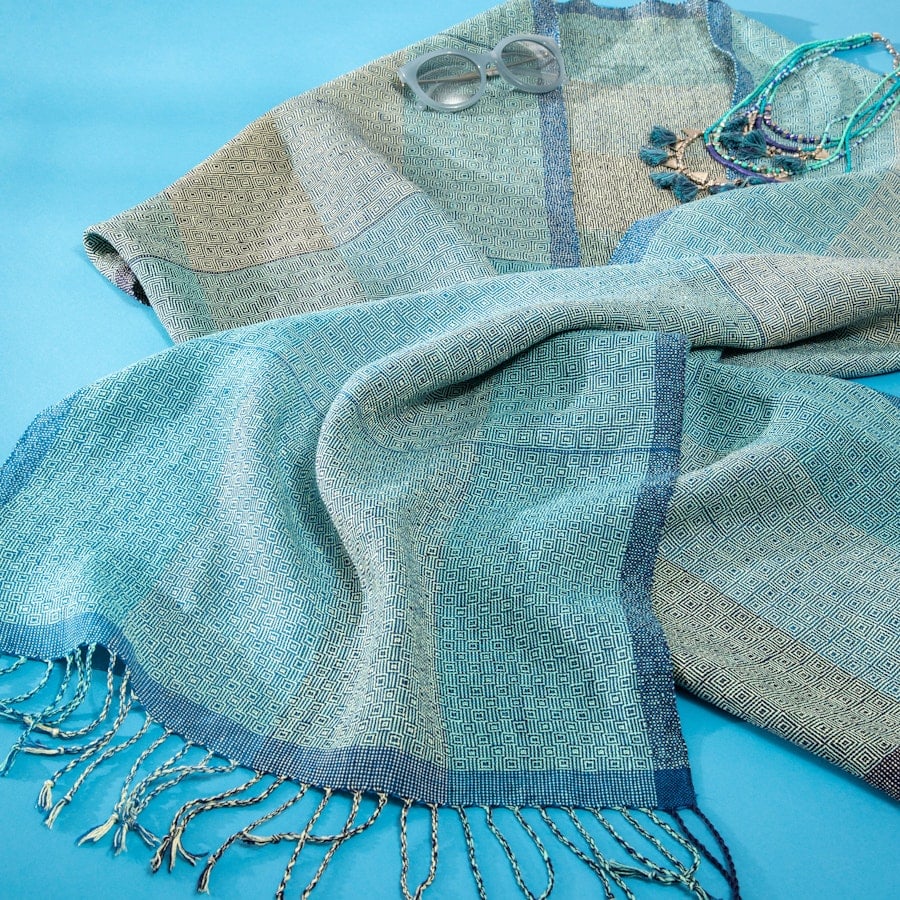
We’ve all woven mud, those unlucky combinations of close values in warp and weft. You won’t find that problem in this issue of Handwoven.
All Access Exclusive
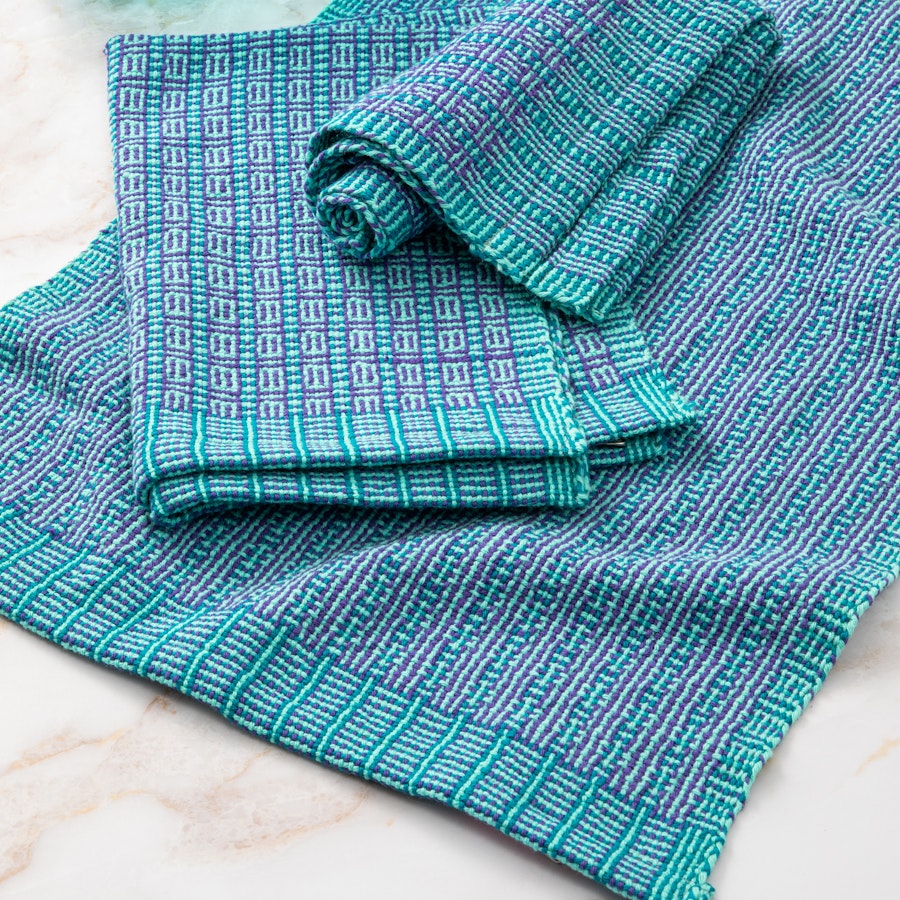
By breaking with tradition, Barbara Goudsmit designed a shadow-weave design ... without shadows. This is a free download of her 4-shaft towel pattern for All Access members.
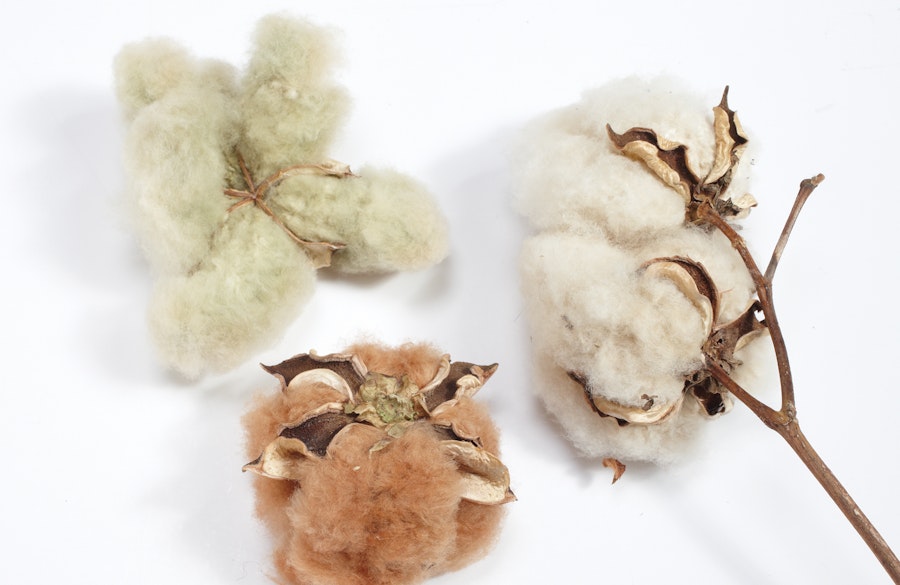
I was shocked to learn that cotton grew in more colors than just white. Since then I’ve learned a lot more about naturally colored cottons and even bought a few cones of my own.
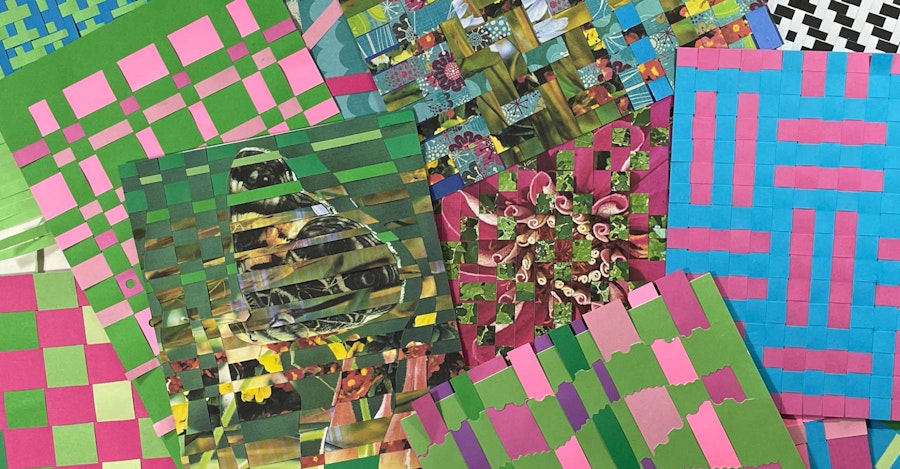
Use paper weaving to learn about color combinations, color-and-weave designs, and even weave structures without worrying about warp tension, yarn choices, or setts.
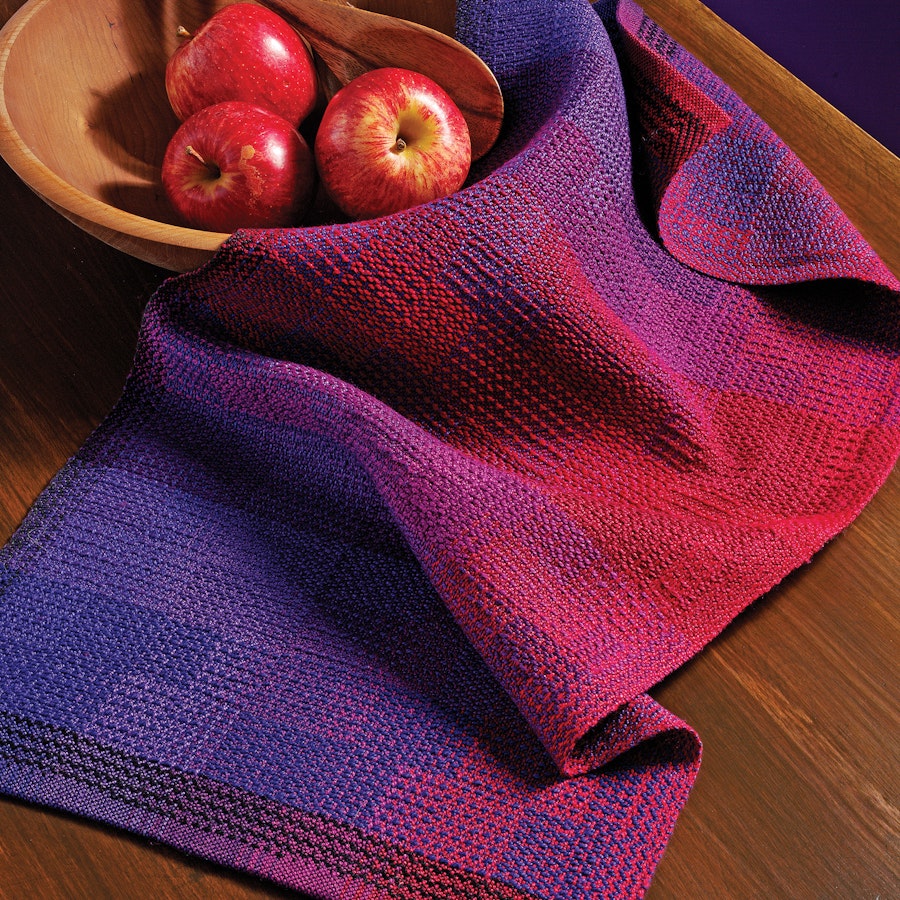
A clever way to play with color in weaving is to use only a few colors to create more colors in the cloth.
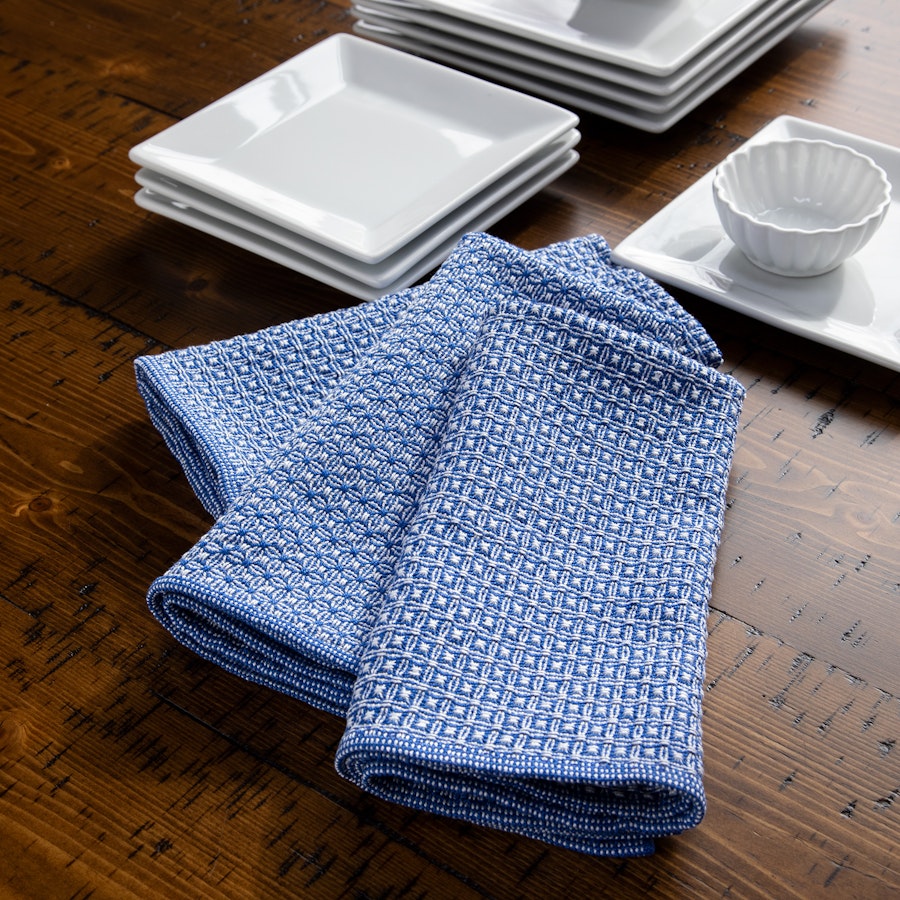
Here’s your chance to play with color-and-weave.
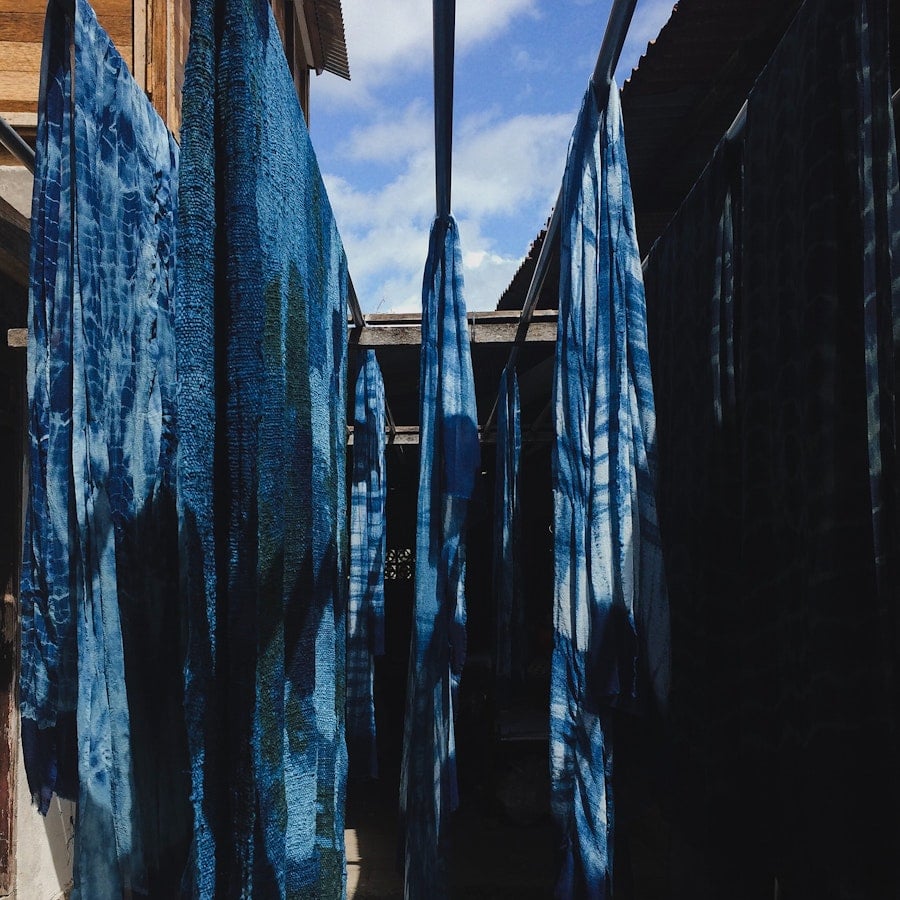
What is indigo, and why is it part of the color wheel? Learn the history of indigo dye and why it's inclusion in the color wheel is so controversial.
Subscriber Exclusive
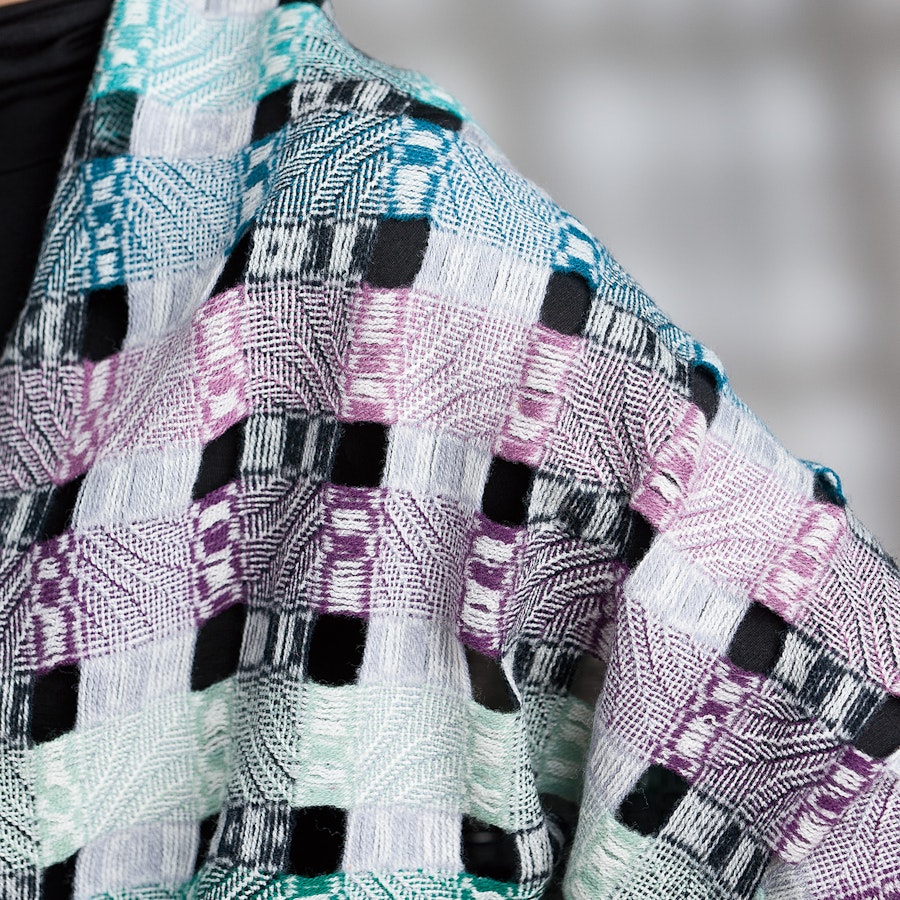
Here is a pdf download of the pattern for this beautiful shawl by Jannie Taylor that combines spaces in the warp and weft with shadow weave to great effect.