

Is weaving with temples more time consuming because you have to keep advancing the temple? and does using one create a straight selvedge?
I realize that many of my problems come from being distracted. In this list most, problems are due to not being careful while winding, warping, and dressing my loom.
The last issue of Handwoven shows a rigid-heddle project for towels (Jenny Sennott, Two Savory Towels for the Rigid-Heddle Loom, November/December 2017).
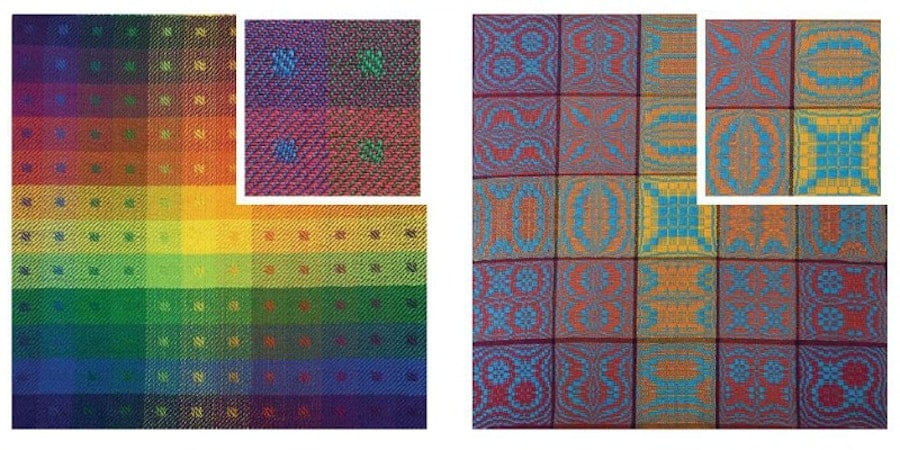
Want to learn more about a particular structure? Want to learn more about how different warp and weft colors interact? Try weaving a gamp! What is a Gamp?

Learn everything you need to know about selecting and using weaving looms in this exclusive, FREE eBook that showcases different weaving looms & more.
Learning how to weave on a loom is easier than you think with this FREE eBook that includes the basics of weaving, weaving looms, weaving terms, and more!

The word “gamp” comes from a slang term for “umbrella.” In weaving a gamp is a fun and interesting way to study weave structures, or color interaction, or both!
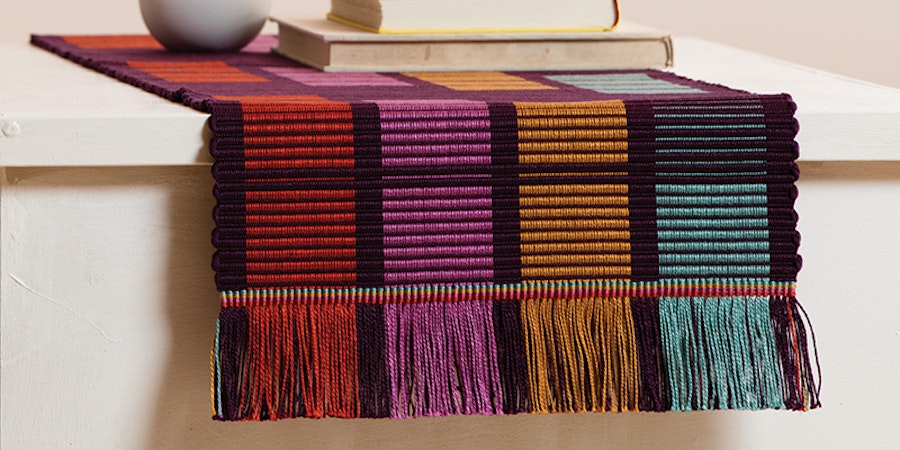
Applying the same standards to the finishing as you did to everything else about a project sometimes takes more time than the weaving.

Broken warp threads at the edges aren't usually a problem for me. When they do occur, I understand that the breakage is probably due to draw-in.

Weaving master Madelyn answers a question about a master yarn chart sett and warping a loom in this helpful weaving article.