
The day after chocolate-covered Valentine’s Day comes Singles Appreciation Day, when uncoupled people celebrate or commiserate their solo status. Most yarns are also in a relationship—that is, plied.
Should hemming, fringe twisting, etc. for woven pieces be done before or after wet-finishing them?
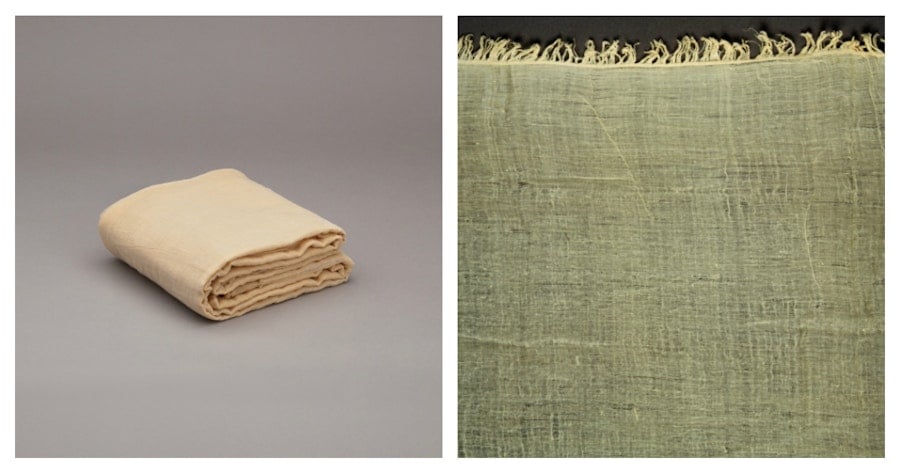
I have a set of linen sheets that are more than 20 years old. Aside from an inadvertent crayon stain, they look just as they did when I bought them, despite two decades of regular use.
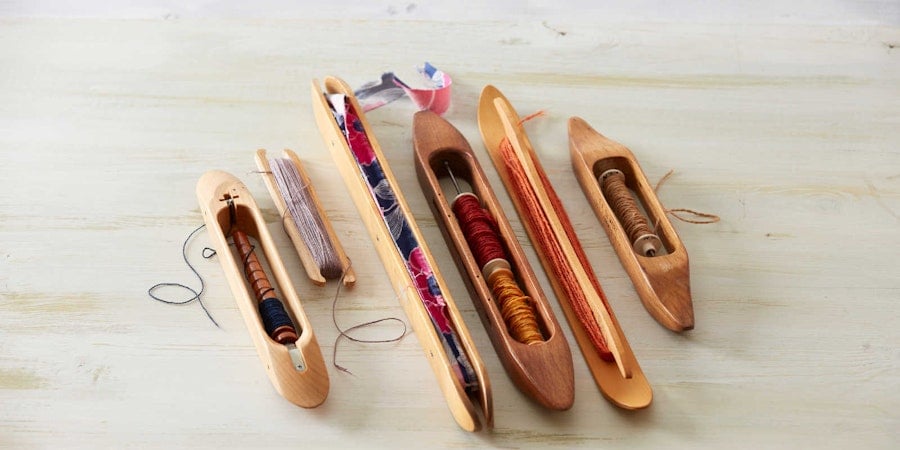
Tom has taught weaving for over 30 years—from the most begin-iest of beginners to weavers who thrive on complex, multi-harness projects.
I am a beginning weaver (actually, a beginning-again weaver) and need help with yarn substitutions. I am using an older pattern from Handwoven, November/December 1996, “Man’s Scarf in Silk and Cotton.” It calls for 12/2 silk at 2,790 yd/lb.
I grouped these three questions together because they all involve the same kind of reasoning and knowledge related to designing around yarn. The first important step to take is to download the Master Yarn Chart.
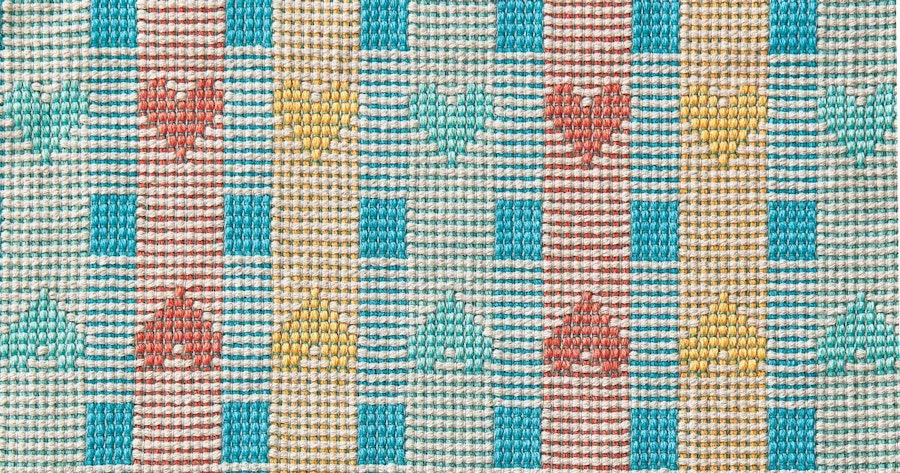
After having a baby, I developed strong opinions about baby blankets. They should be beautiful, yes, but they should also be durable and washable. Baby blankets need to stand up to use, abuse, and many, many trips through the washer. Deanna Deeds’s Swee
I believe weaving is on the upswing. It may be strictly anecdotal and I may be biased (imagine!), but in the past few years, I’ve noticed many new weaving books being published, a surge in membership in my own weaving guild, and more interesting weaving.
The feedback I’ve received from viewers of my video The Loom Owner's Companion has been unbelievable and very positive.
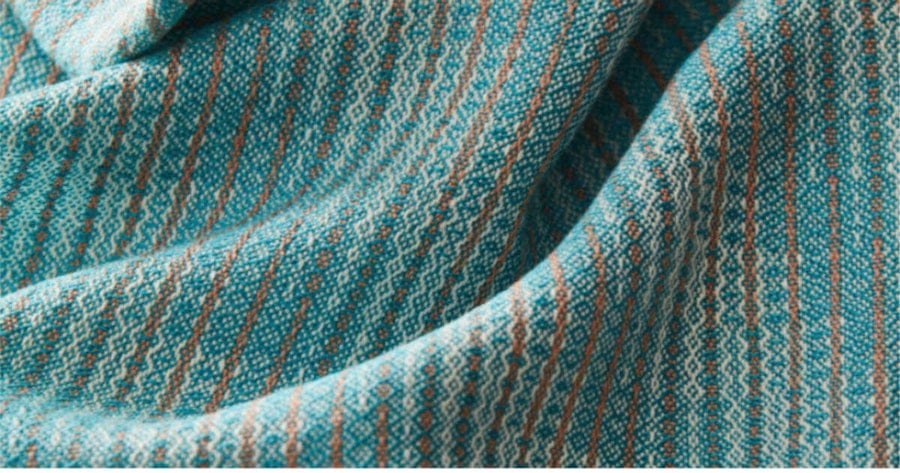
I love weaving that boldly proclaims its complexity—the sorts of projects that make weavers and nonweavers alike ooh and ahh. Deflected doubleweave, for example, is bold and loud in all the best ways, a bit like the Dolly Parton of weaving.