
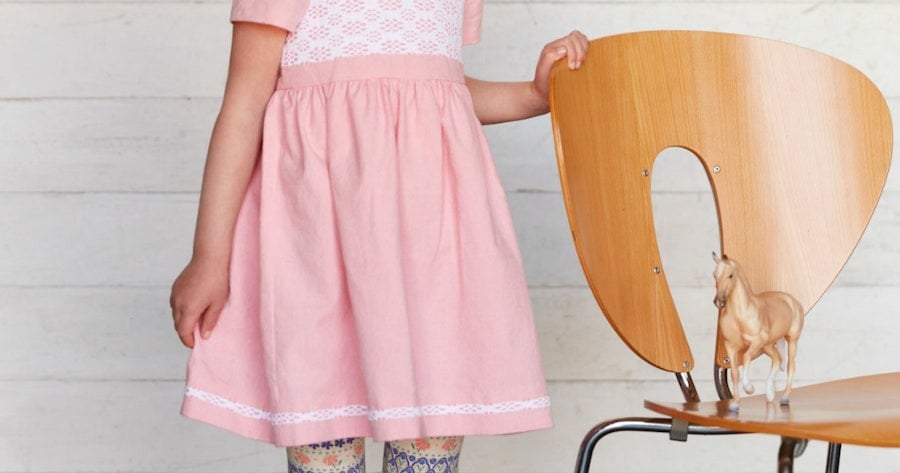
My favorite type of project is the one that looks complicated but in reality is just really clever. You know those projects, the ones that folks—especially nonweavers—ooh and aah over, exclaiming how difficult it must have been. Barb Wainright’s Swe
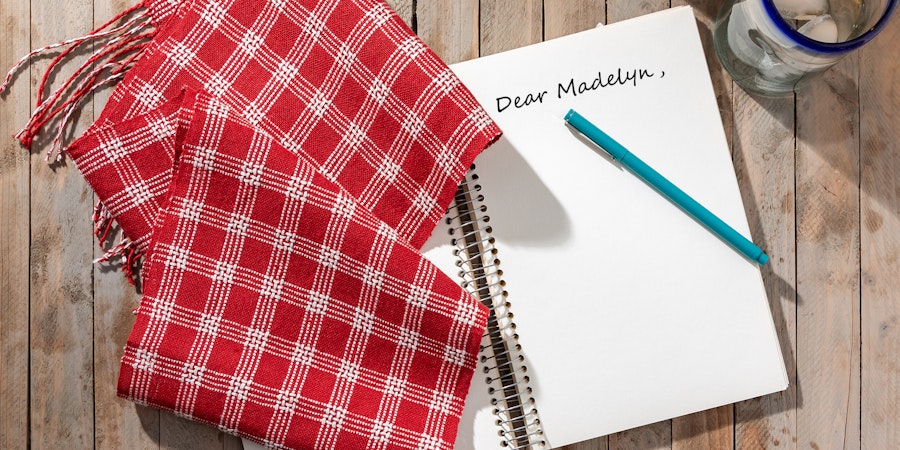
I have some questions about weaving huck lace. I have woven several projects and none of them have turned out the way I hoped they would. Help!
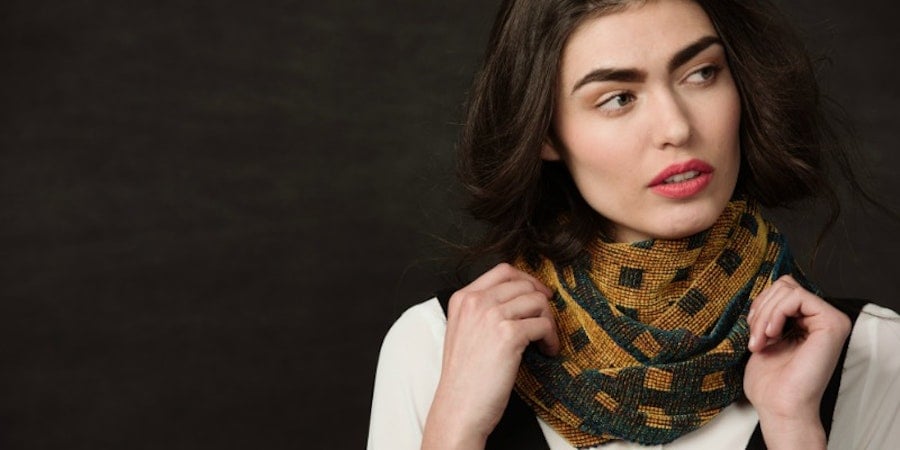
I love chenille scarves and I love Tencel scarves, but I would never have thought to combine the two. Fortunately, just like the brilliant minds that combined peanut butter and chocolate, Sarah Jackson thought to combine chenille and Tencel, and the resul
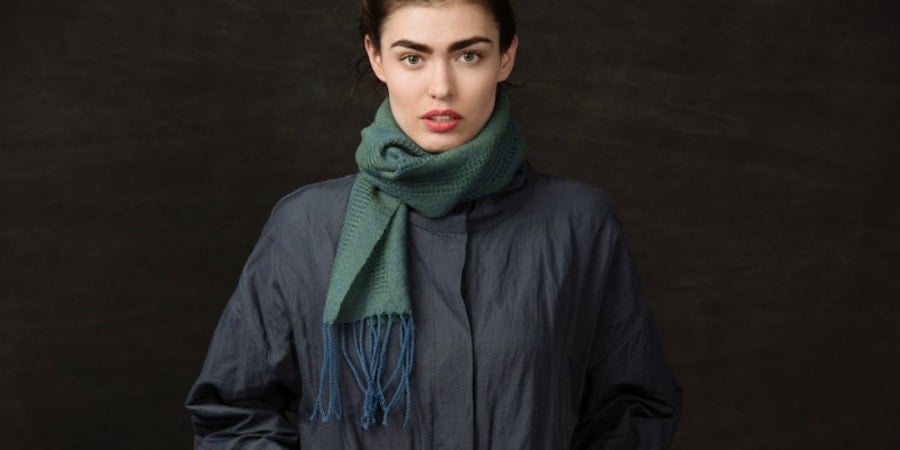
There’s just something about handwoven lace scarves. They’re timelessly elegant and go with just about anything.
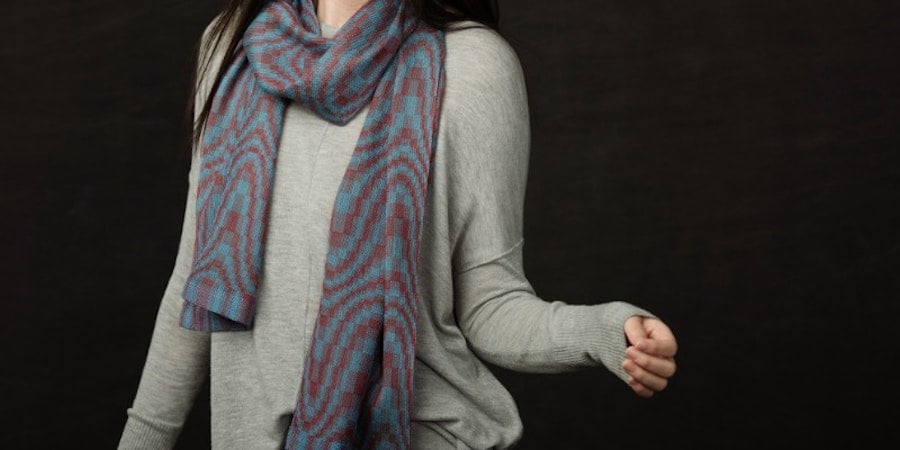
There are certain weavers whose work never fails to impress me, weavers who come up with designs that leave me breathless more often than not. One of those weavers is Bonnie Inouye.

Twill and silk are a natural pairing for scarves. The floats in twill give silk opportunities to shine and reflect light, but they aren’t so long that they get caught on clothing or jewelry.
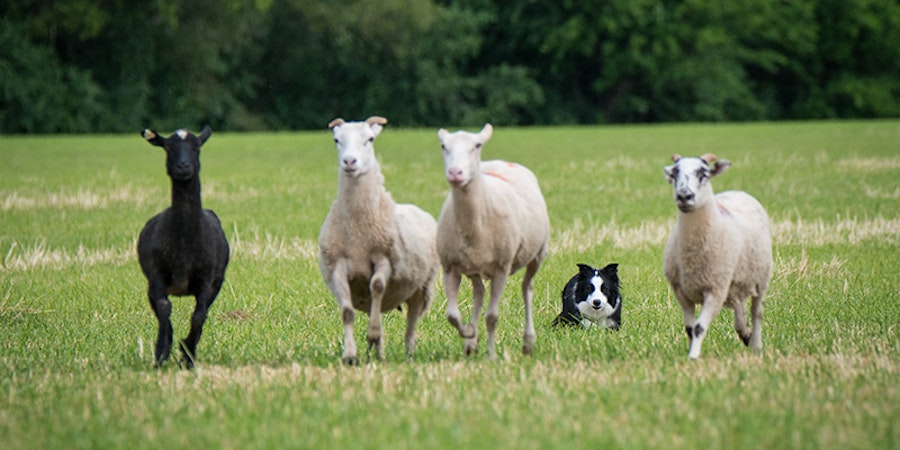
The Sheep Dog Trial (SDT) showcases the skills that a dog and handler use every day while caring for a flock of sheep.
I want to use some old project instructions that call for 10/2 unmercerized cotton for dishtowels. I can't seem to find any of that yarn in colors!
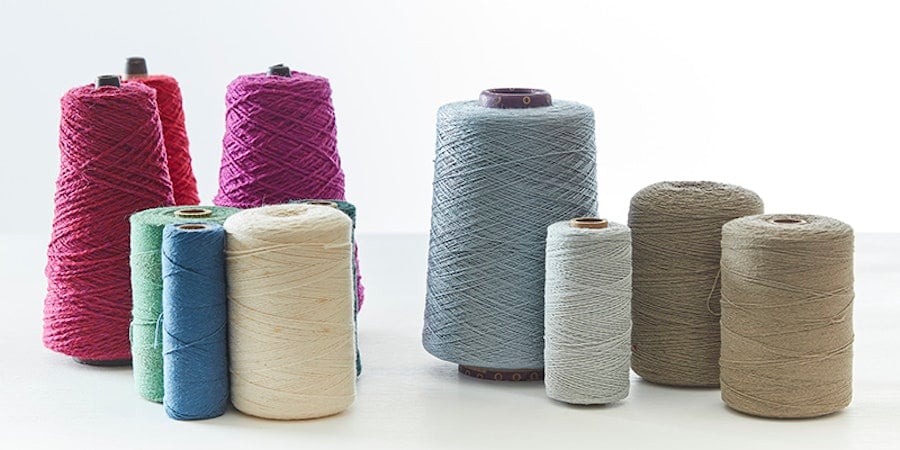
As many times as you tell beginning weavers that it’s just yarn, most still worry about the whole warping the loom thing.
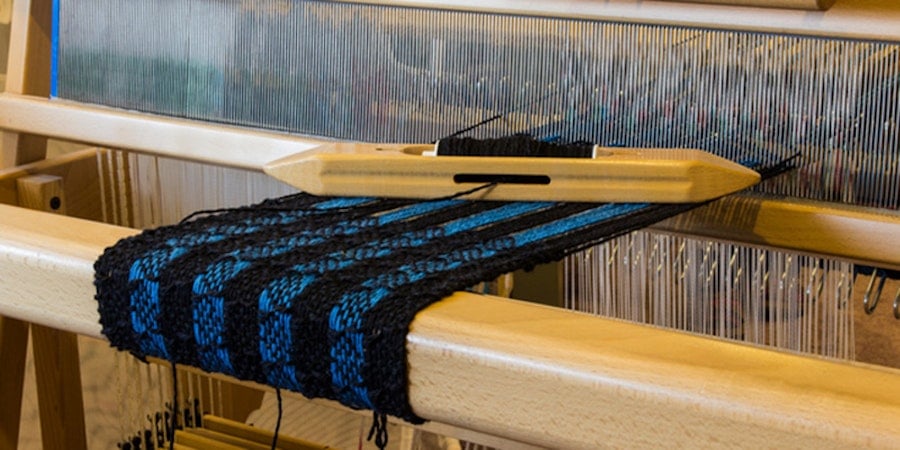
I recently heard the phrase, “If all you have is a hammer, everything looks like a nail,” and it caught my attention. After looking it up, I learned that is known as the “law of the instrument,” a term coined by Abraham Maslow in 1966. The concept