
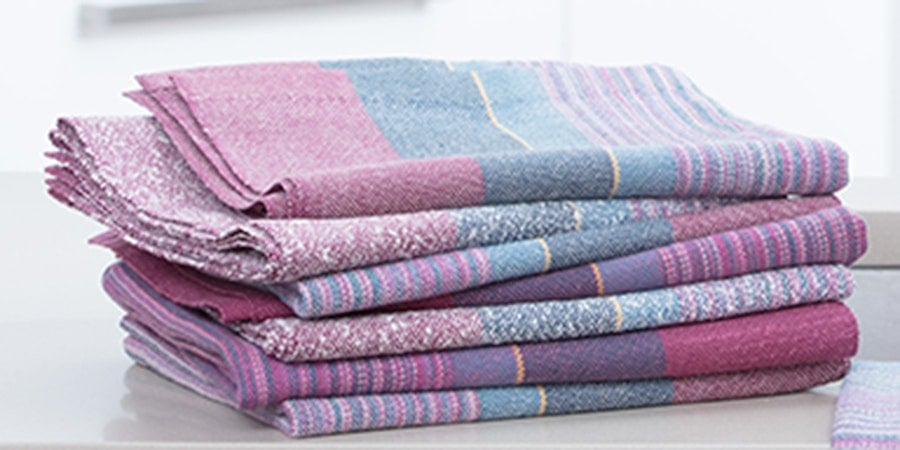
Kicking the weaving rock means trying new things without a really firm plan in mind. About 15 years ago, I wove a striped rep weave runner.
I have been using your method of tying on a new warp to an old one for several years. I’m wondering how you calculate warp length for the new warp. I’m not sure how to determine the amount of loom waste for the new warp and I don’t want to run out of it!
It might just be a learning path, otherwise known as a mistake, but there could also be times when one path leads to another, and you find yourself weaving something you weren’t expecting. That’s when the quirks of handweaving take control.

Taos, New Mexico and its surrounding communities have much to offer visiting handweavers.
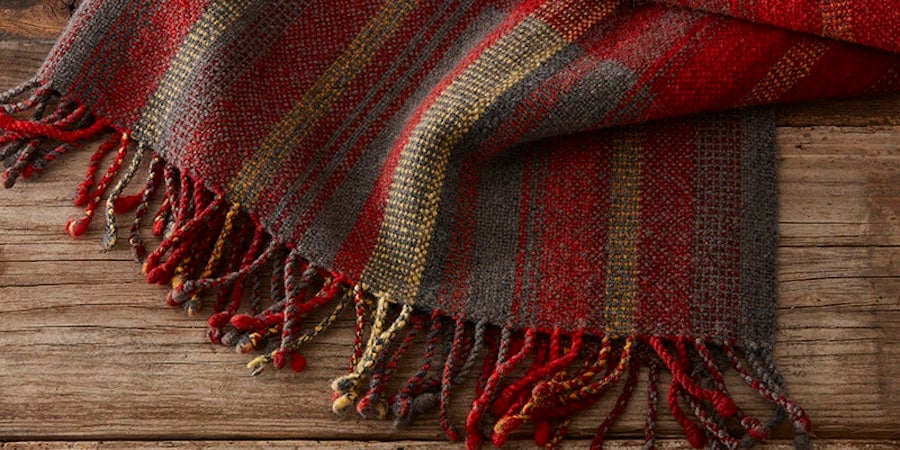
For this doublewidth Harrisville wool blanket from the Best of Handwoven: Doubleweave, Doublewidth! eBook, I decided to push the time I had with the warp at the loom by designing in the reed.
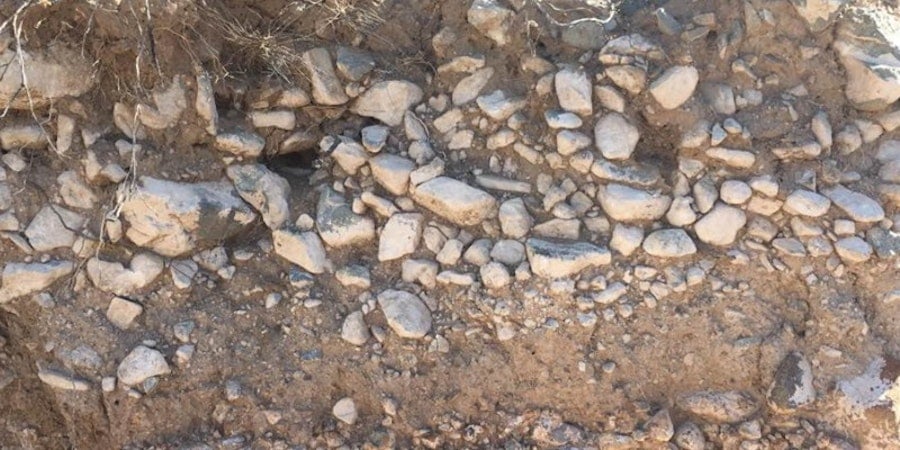
During my tenure at Handwoven, I’ve read many articles on color in weaving. “Be careful,” they say, “sometimes colors that look good next to each other on the shelf will turn muddy on the loom.” But inspiration can come from anywhere if you’re open to it.
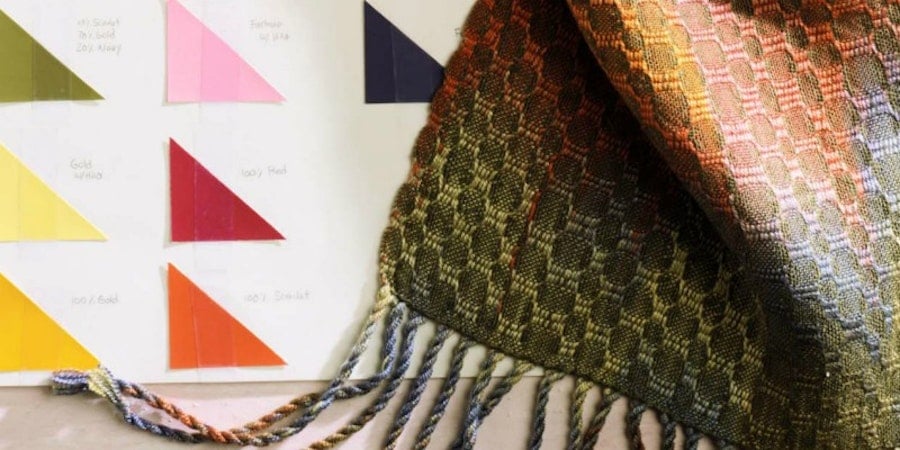
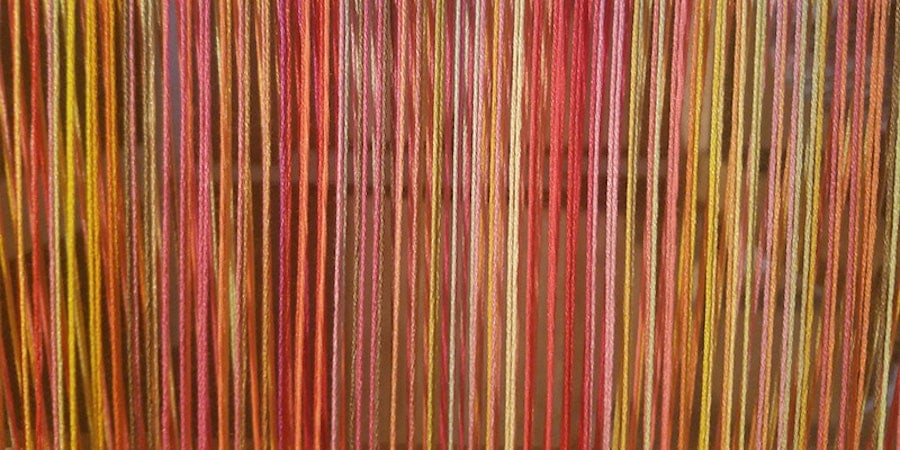
One way to maximize the pleasure of color blending is to paint the warp, choosing and mixing as many colors as you like. As soon as the door is open to creating absolutely any color, the problem becomes: what colors to make?
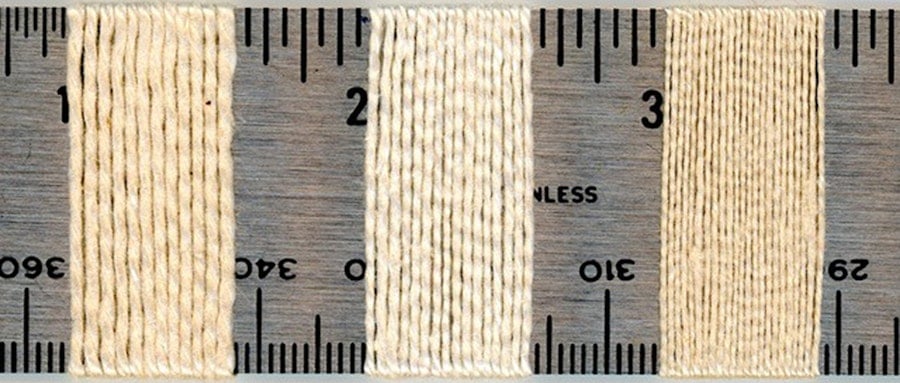
Yarn and structure nuances to keep in mind when you’re planning a warp
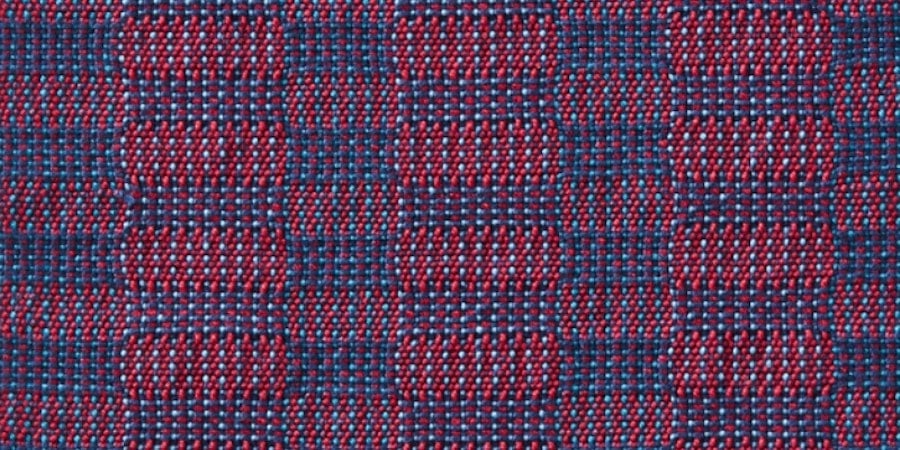
Kathleen Farling, like many weavers, loves samples, especially guild samples. One such sample spoke to her and led her to design and weave her Centuries in the Making Runner.