
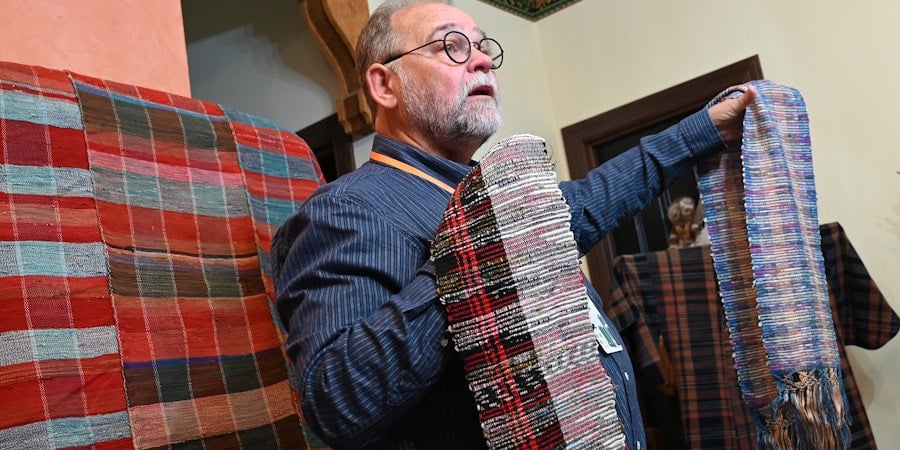
Learn from a centuries-old Japanese technique that weaves rags into textiles to wear.
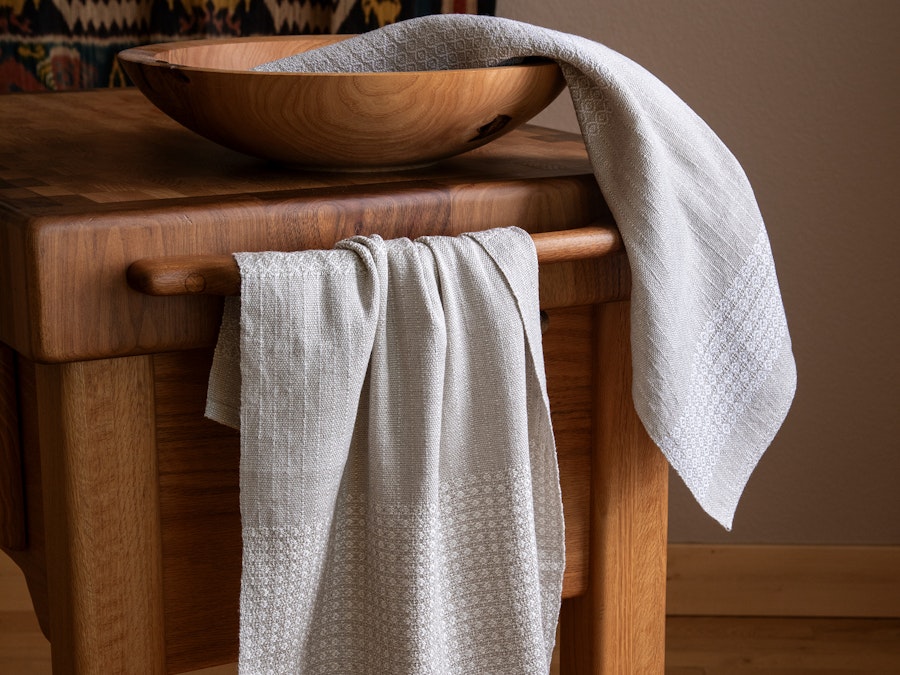
One of the fun things about fiber-specific issues is finding out about fibers you’ve never heard of.
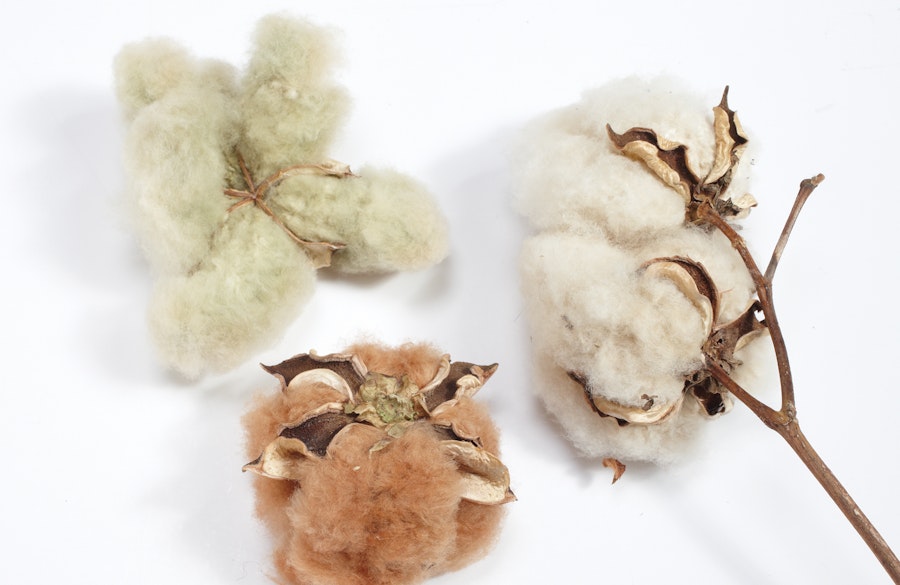
I was shocked to learn that cotton grew in more colors than just white. Since then I’ve learned a lot more about naturally colored cottons and even bought a few cones of my own.
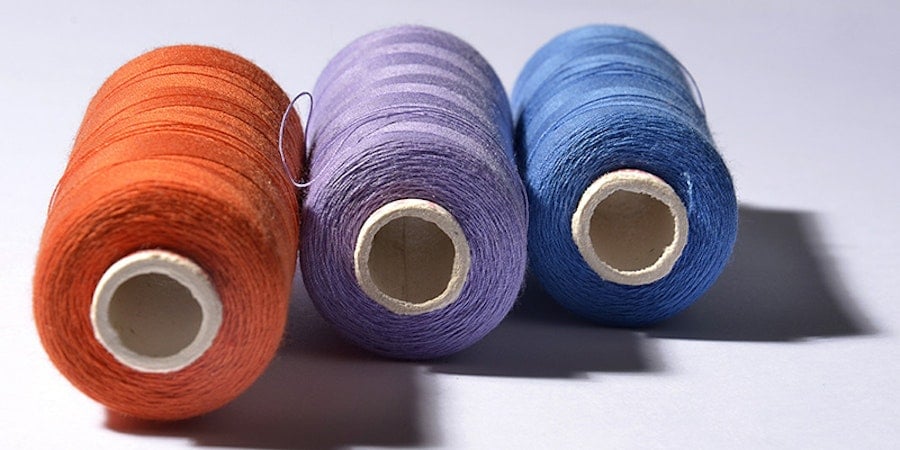
Best practices are a must for working efficiently with fiber. Read these tips and instructions for better thread cutting.
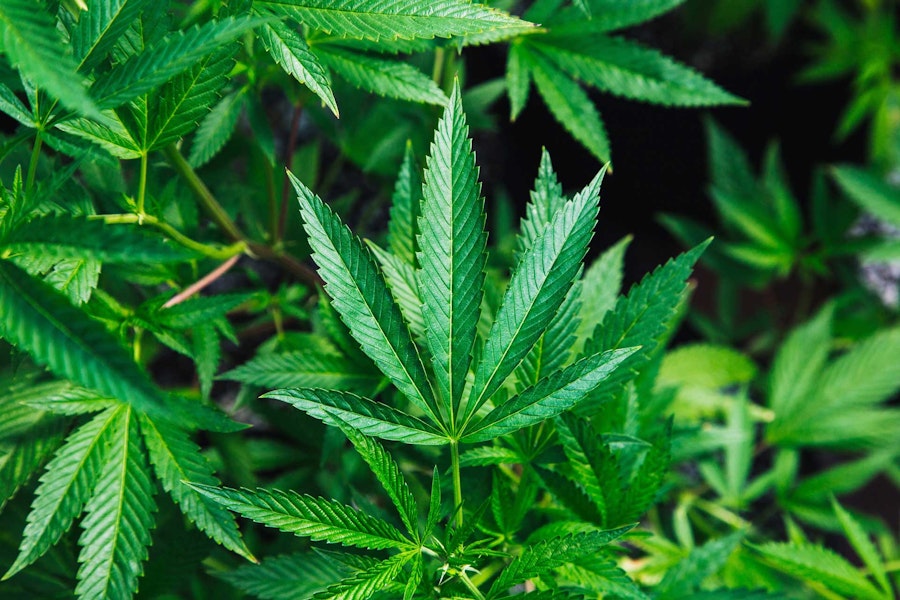
Our next issue of Handwoven, the January/February 2021, features two projects woven with hemp. Read how hemp has fallen in and out of favor over the ages.
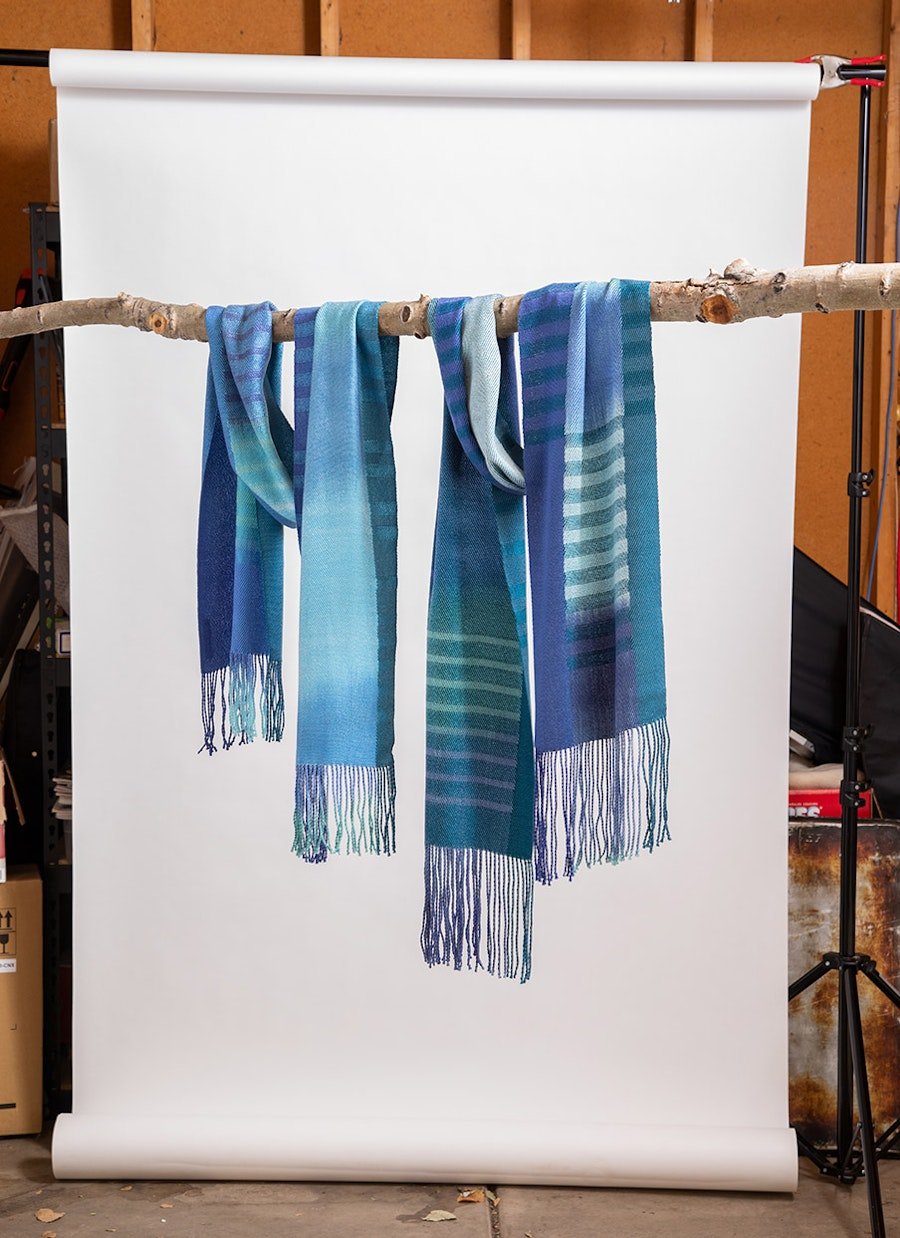
Weaving may have its roots in the past, but it is also a modern craft.
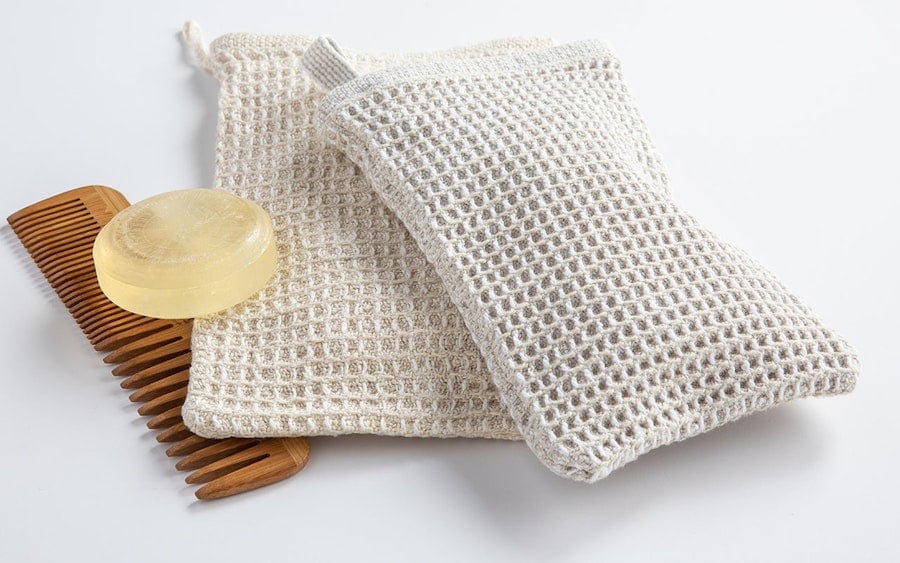
Angela recently reworked her cotton bath mitts from Handwoven January/February 2020 using hemp and was pleased with what she learned.
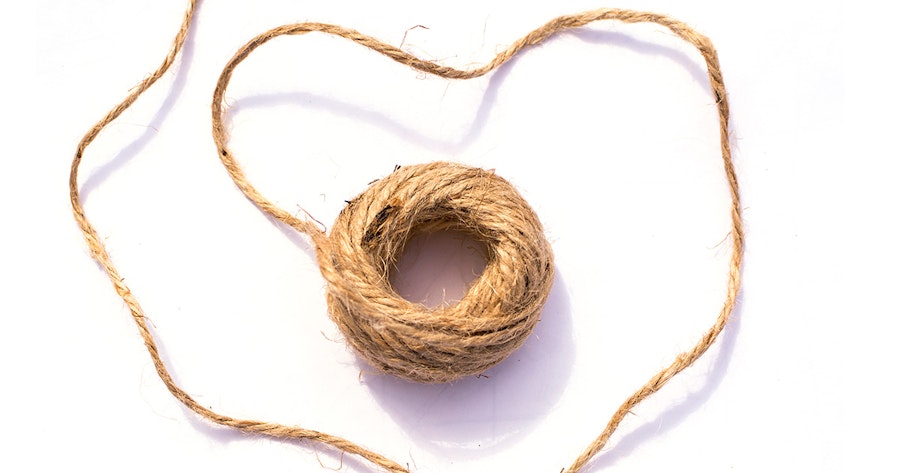
Hemp yarn is eco-friendly and incredibly versatile. You can knit, crochet, weave, and even spin with it. But hemp’s greatness doesn’t end there!
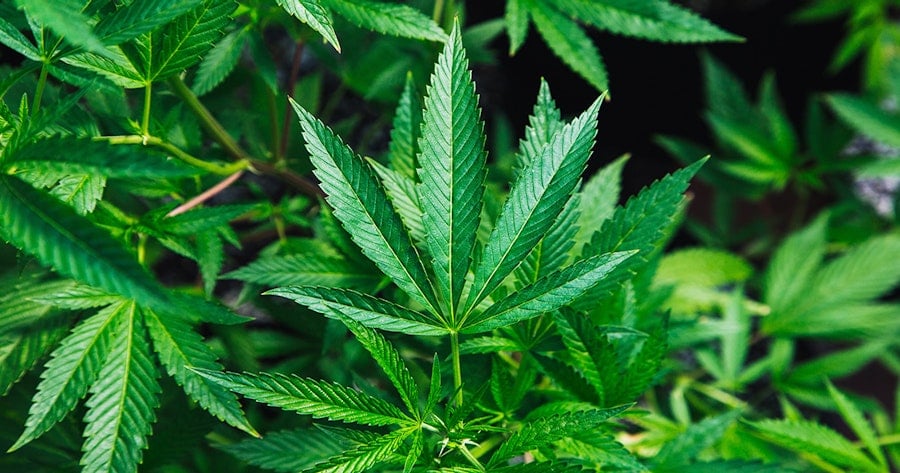
Hemp is a truly amazing plant. It grows fast, requires very little water and is easily grown without pesticides. Different parts of the plant can be used for soaps, paper, building materials, and, most importantly for us, textiles.
Afraid of weaving handspun yarn as singles? Hog wash! Applying sizing to your singles before you warp will help you reduce abrasion problems, tame overtwist, and get weaving faster. In the Spring 2018 issue of Spin Off, Stephenie Gaustad shares a few tips.