
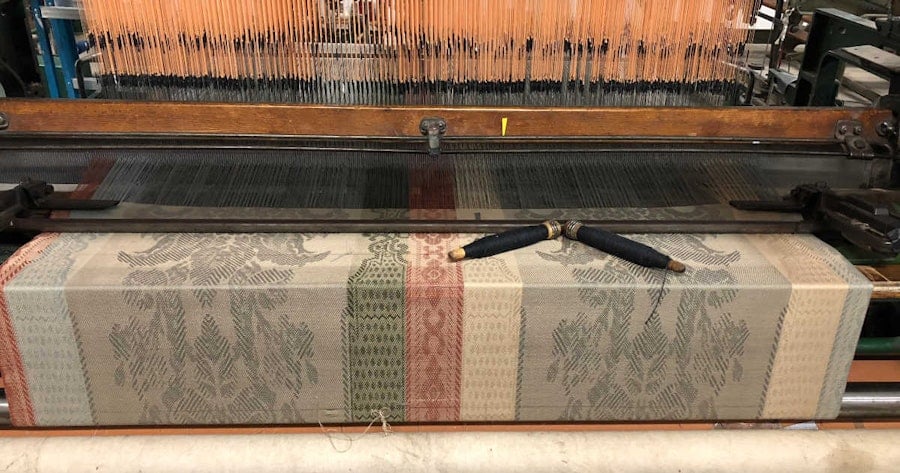
Rabbit Goody has spent her career weaving historically accurate textiles. Here are her musings on the history of American handweaving.
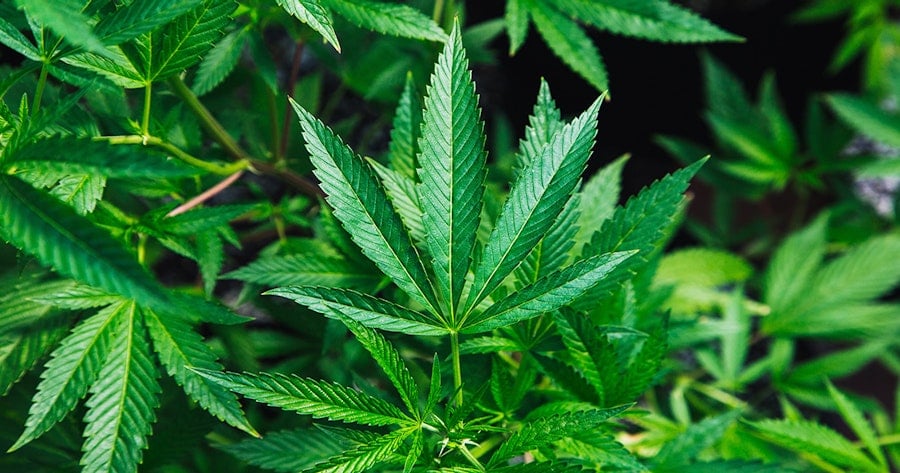
Hemp is a truly amazing plant. It grows fast, requires very little water and is easily grown without pesticides. Different parts of the plant can be used for soaps, paper, building materials, and, most importantly for us, textiles.
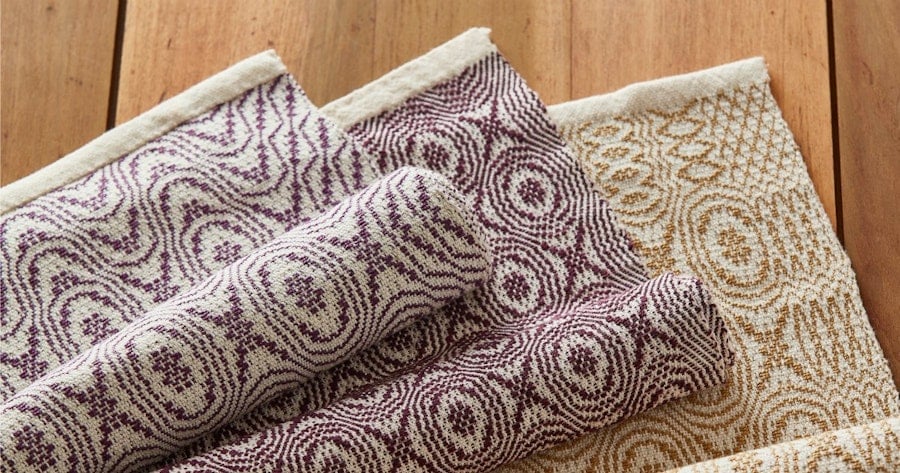
Last summer, I traveled to Red Stone Glen to film a few workshops with Tom Knisely. Tom is an amazing teacher. The topic this time is: how to design your own handwoven projects.
Should hemming, fringe twisting, etc. for woven pieces be done before or after wet-finishing them?
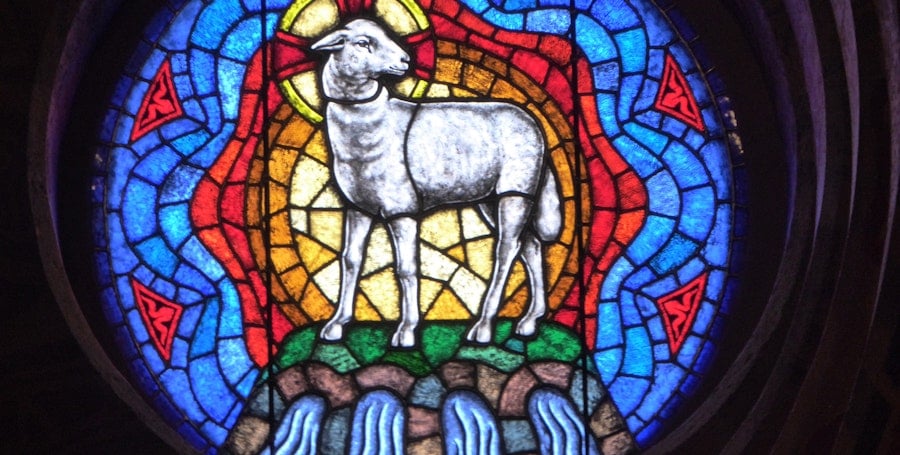
When I first began work on the January/February 2019 issue of Handwoven on yarn blends, I couldn’t help but think about the vegetable lamb of Tartary.
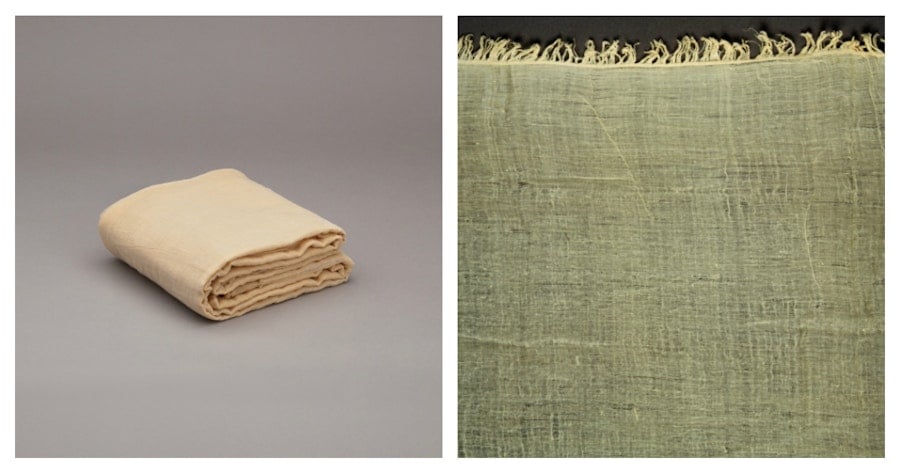
I have a set of linen sheets that are more than 20 years old. Aside from an inadvertent crayon stain, they look just as they did when I bought them, despite two decades of regular use.
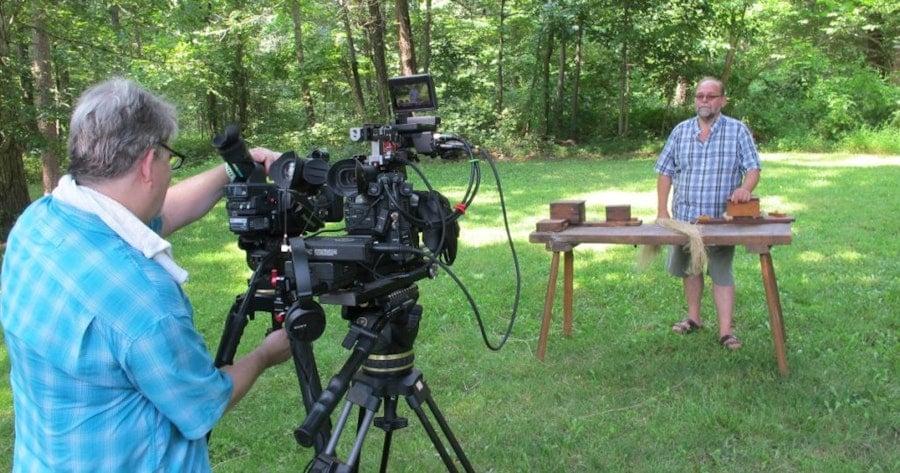
During this video shoot, I learned three very important things: Tom is a remarkable host who handles any setback in stride; pillowcases can work as lighting baffles; and flax and linen are really, really cool.
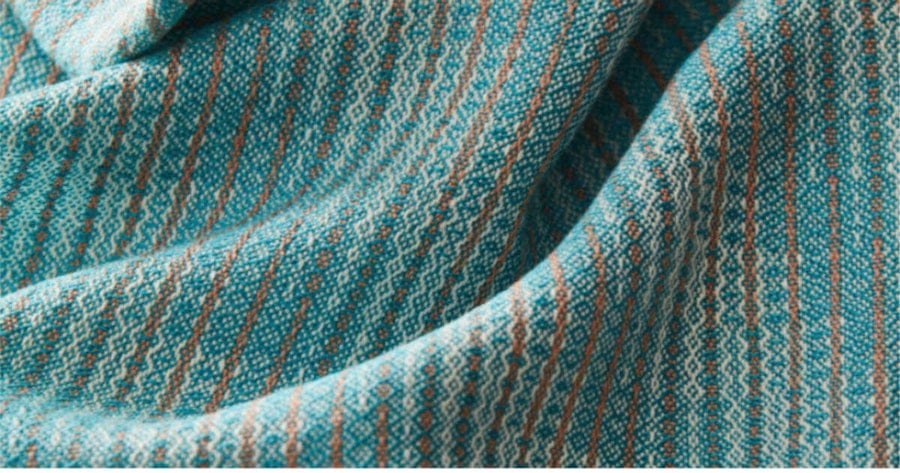
I love weaving that boldly proclaims its complexity—the sorts of projects that make weavers and nonweavers alike ooh and ahh. Deflected doubleweave, for example, is bold and loud in all the best ways, a bit like the Dolly Parton of weaving.
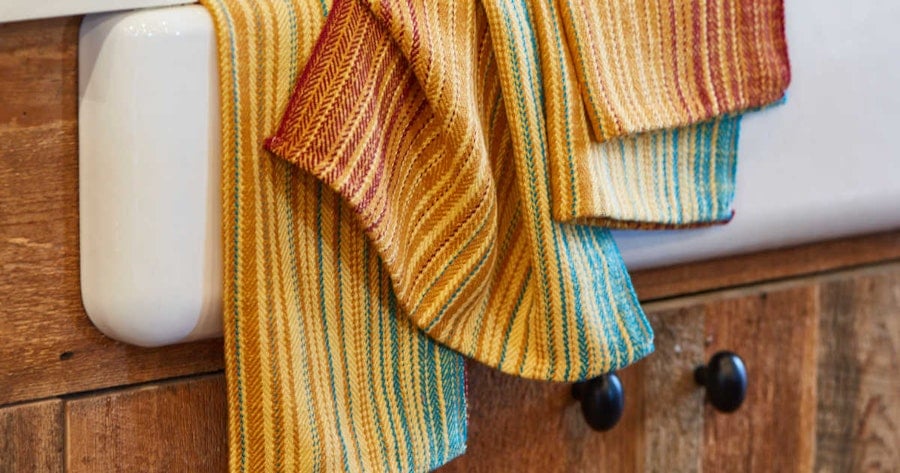
Am I the only one intimidated by “random” warping? I love the look of it, but I can’t seem to bring myself to let loose at the warping board. Enter Sarah Resnick’s Sunset Towels from the January/February 2019 issue of Handwoven.
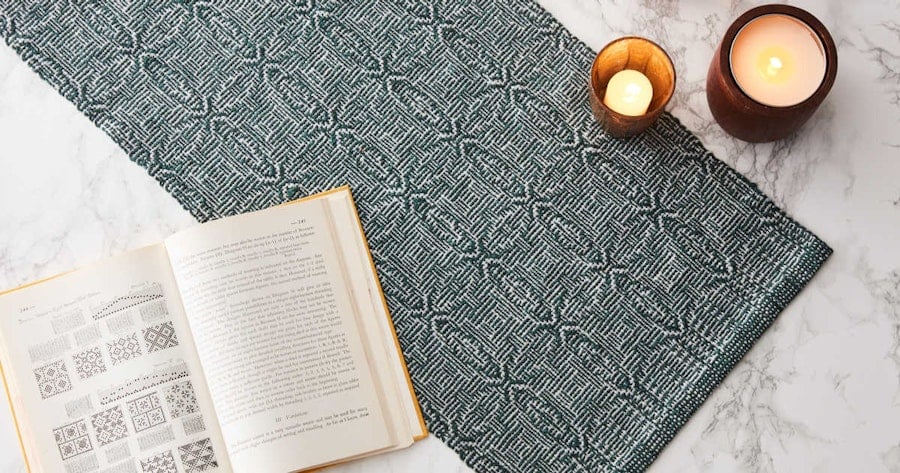
I recently moved into an adobe farmhouse built in 1930. Now that we’re finally unpacked, I’ve been working on decking my house out with antique furniture and table linens that match.