
The last issue of Handwoven shows a rigid-heddle project for towels (Jenny Sennott, Two Savory Towels for the Rigid-Heddle Loom, November/December 2017).
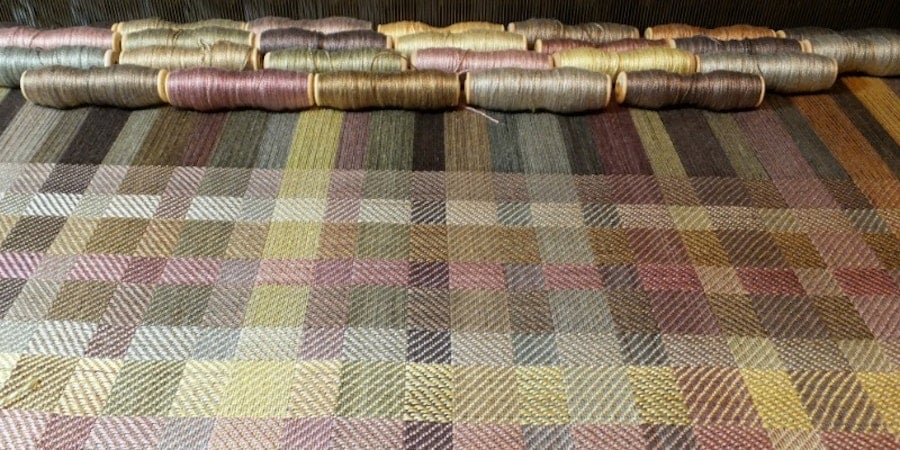
For centuries people dyed cloth with whatever they could find in nature. Natural dyeing drastically decreased when chemical dyes came on the market.
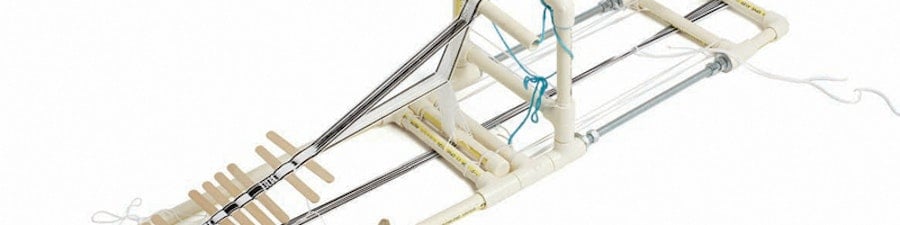
Learn everything you need to know about selecting and using weaving looms in this exclusive, FREE eBook that showcases different weaving looms & more.
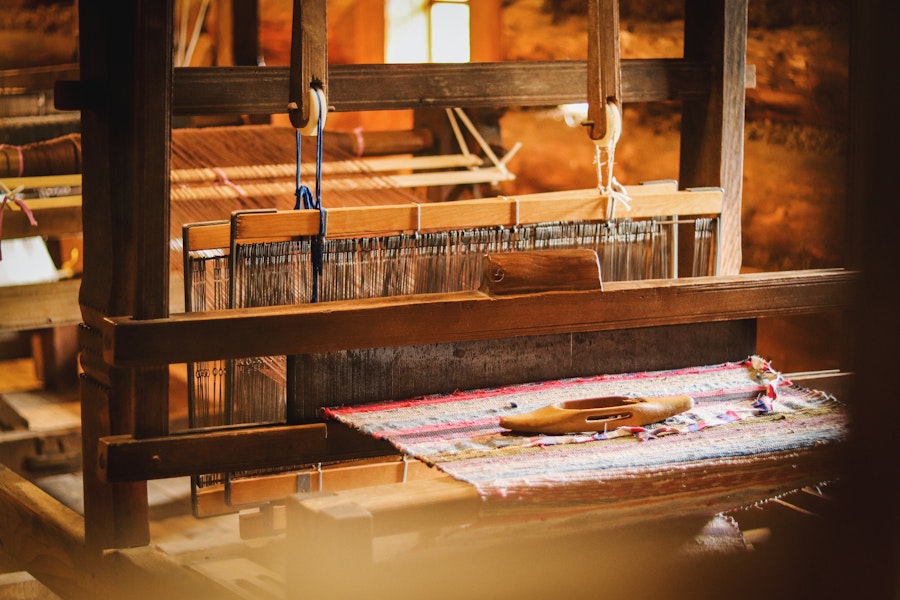
Learning how to weave on a loom is easier than you think with this FREE eBook that includes the basics of weaving, weaving looms, weaving terms, and more!
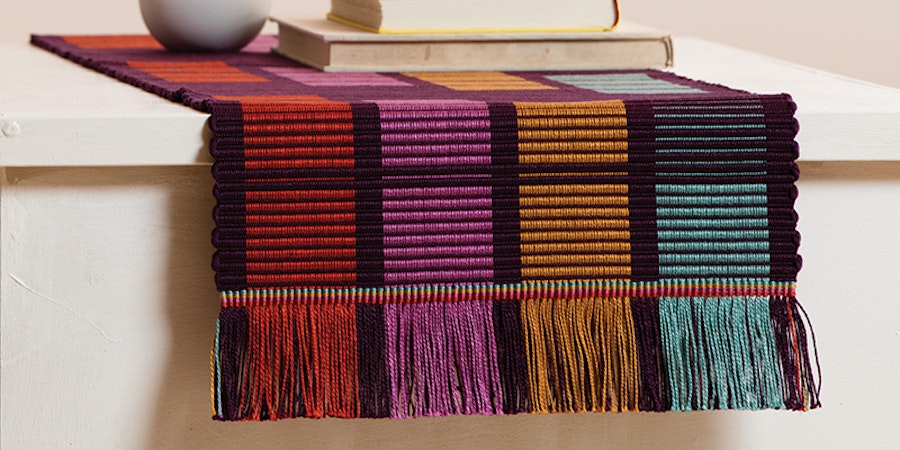
Applying the same standards to the finishing as you did to everything else about a project sometimes takes more time than the weaving.
Weaving master Madelyn answers a question about a master yarn chart sett and warping a loom in this helpful weaving article.
The types of cotton yarn most often used in weaving are 10/2 pearl cotton and 8/2 unmercerized cotton. What's the difference between pearl and unmercerized?
When learning how to weave, many weavers struggle with calculating take-up. Learn to predict your final weaving dimensions based on materials and structure.
Need to learn how to warp a loom with a very short warp, maybe for a precious yarn? Here's how to make sure you get even tension when warping back-to-front.
What do you do if you need to substitute yarn that requires a different sett? How do you modify weaving drafts to get the same final project size?