

For weft threads that interlace less often than in a balanced plain weave, the weft angle will need to be less steep. Experiment, following the steps outlined here until you find the angle that works.
It made me think about some of the weaving opinions you hear about today that I believe don’t actually hold up to scrutiny.
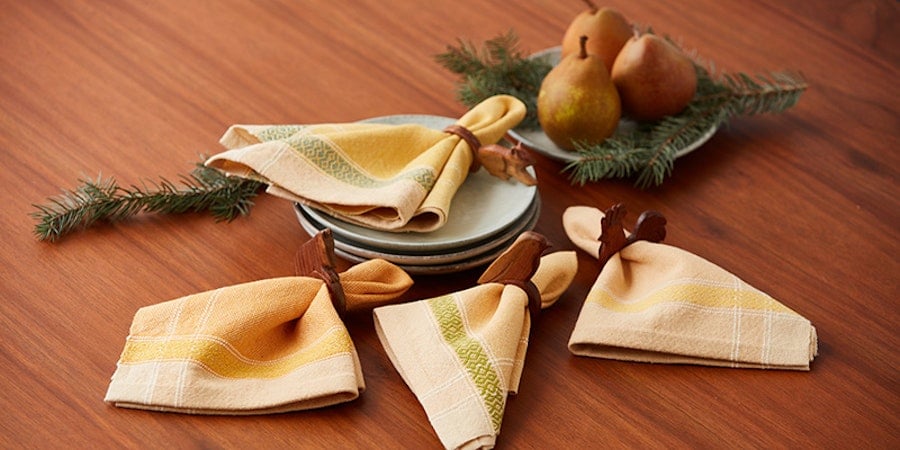
This is the third of a five-part series by Elisabeth Hill describing her process of designing a handwoven napkin project for Handwoven. The napkins are finished now and she is reflecting on the tools she used.
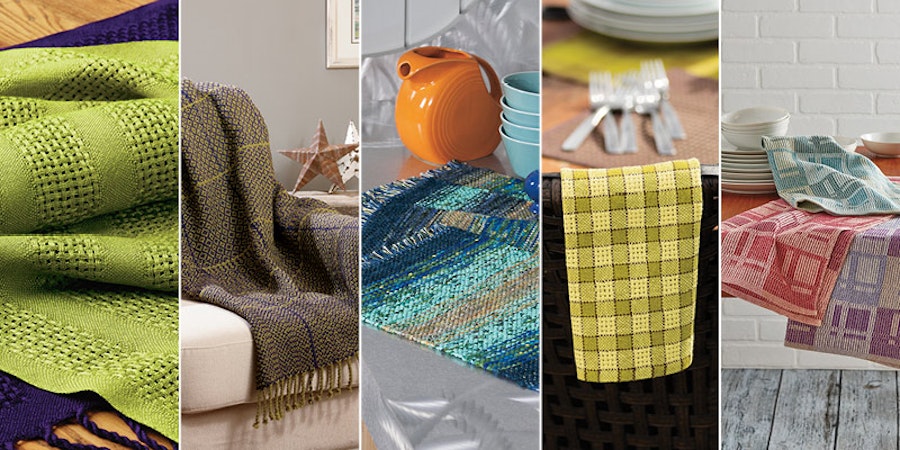
As a challenge to myself and to prepare the way for the new cones of yarn I intend to purchase at the marketplace, I decided to weave stashbusting towels that would use up some practically empty cones of 8/2 cotton I already had.

I have a question about an issue that is being discussed in my guild. Should you leave the lease sticks in the warp, behind the shafts, after you have finished threading?
For those of you out there who are ready to make the step from weaving patterns to adjusting them to fit your own needs, but are worried about the math, shrinkage, or other issues we have got the web seminar for you!

After my son was born (and even for a while before then), I found myself in a weaving rut. Then I fell in love with a special yarn and knew it would be the basis for my next project.
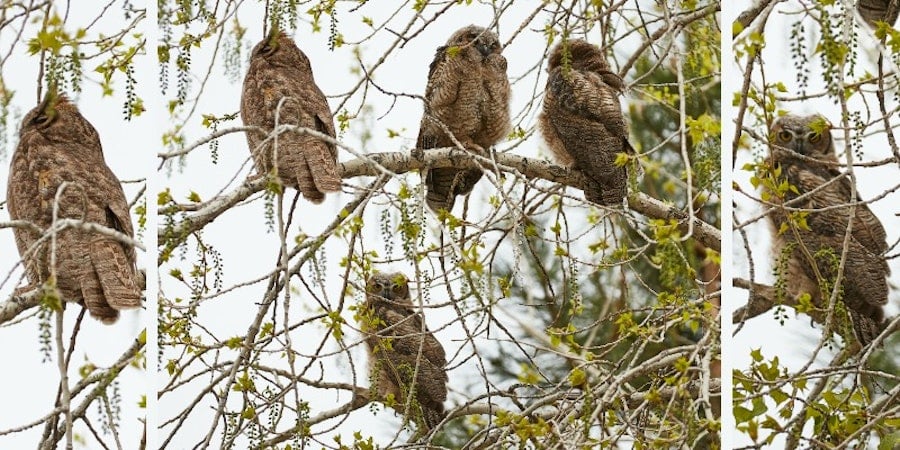
Last year a parliament of owls stopped by some trees near the office. Weavers and birds have a lot in common. Don’t believe me? Please allow me to elucidate.

I am new to this grand weaving adventure! However, I can not find any videos or good instructions about warping my sectional beam. Help!

I am planning a project from Handwoven's Design Collection 19. Instead of the 10/2 Tencel specified, I ordered 8/2 Tencel. Can I use this in place of the 10/2 and should I change the sett from 2 per dent in 12- dent reed to another reed or sleying order?