

Random design is a fascinating concept, but well-designed is also wonderful, and a good designer can do both. We didn’t randomly choose designers for the three Loom Theory 2018 lookbooks.
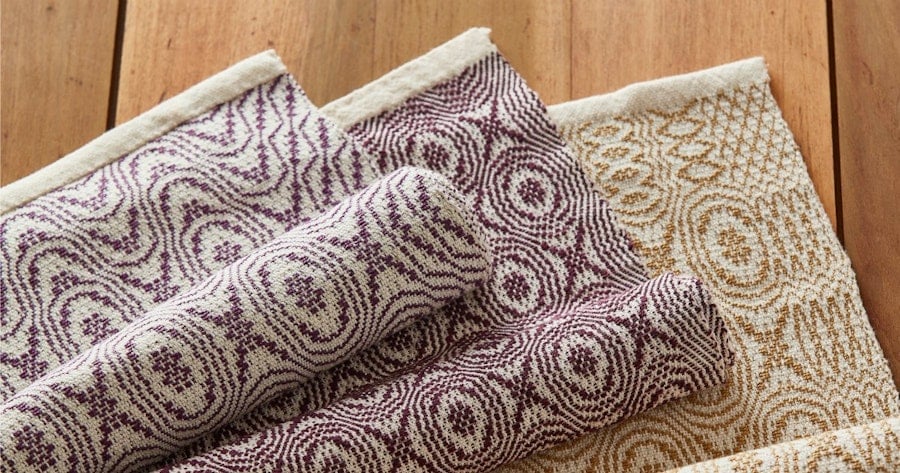
Last summer, I traveled to Red Stone Glen to film a few workshops with Tom Knisely. Tom is an amazing teacher. The topic this time is: how to design your own handwoven projects.
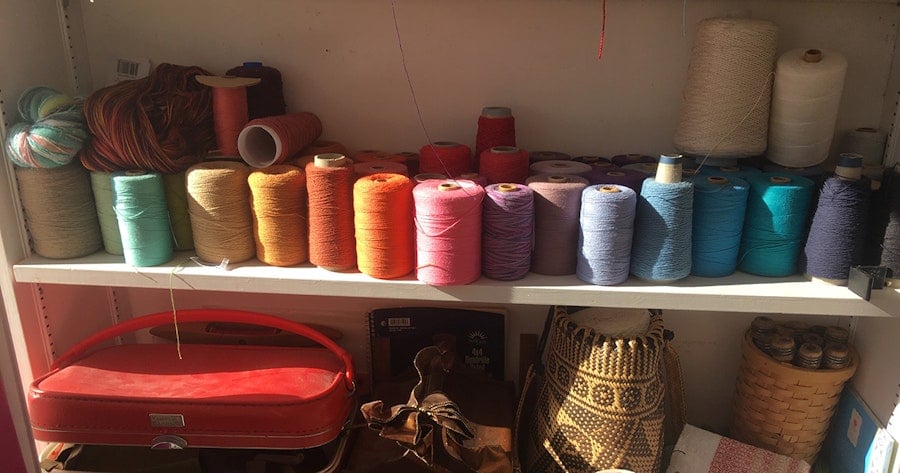
The basic premise of what is known as the KonMari method is to embrace what gives you joy and eliminate what doesn’t. This is rather easy when we’re talking about most yarns.

The day after chocolate-covered Valentine’s Day comes Singles Appreciation Day, when uncoupled people celebrate or commiserate their solo status. Most yarns are also in a relationship—that is, plied.

One of the fun things about being editor of Handwoven is coming up with the editorial calendar for the upcoming year.
Should hemming, fringe twisting, etc. for woven pieces be done before or after wet-finishing them?
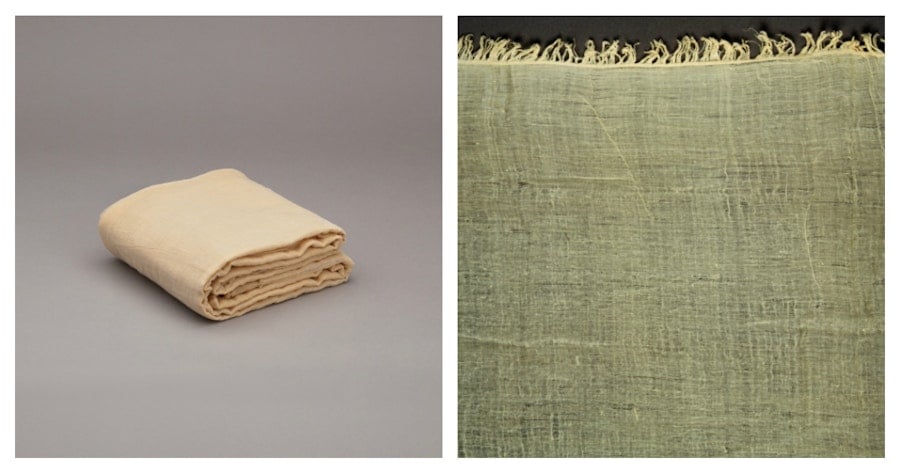
I have a set of linen sheets that are more than 20 years old. Aside from an inadvertent crayon stain, they look just as they did when I bought them, despite two decades of regular use.
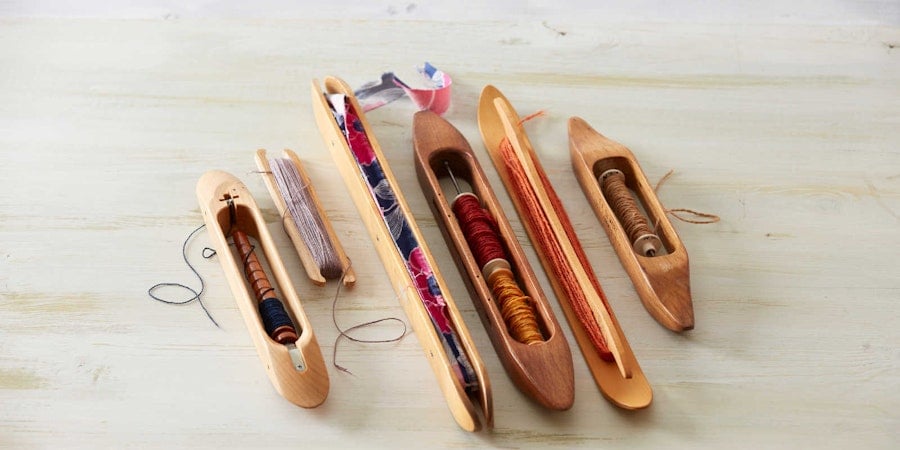
Tom has taught weaving for over 30 years—from the most begin-iest of beginners to weavers who thrive on complex, multi-harness projects.
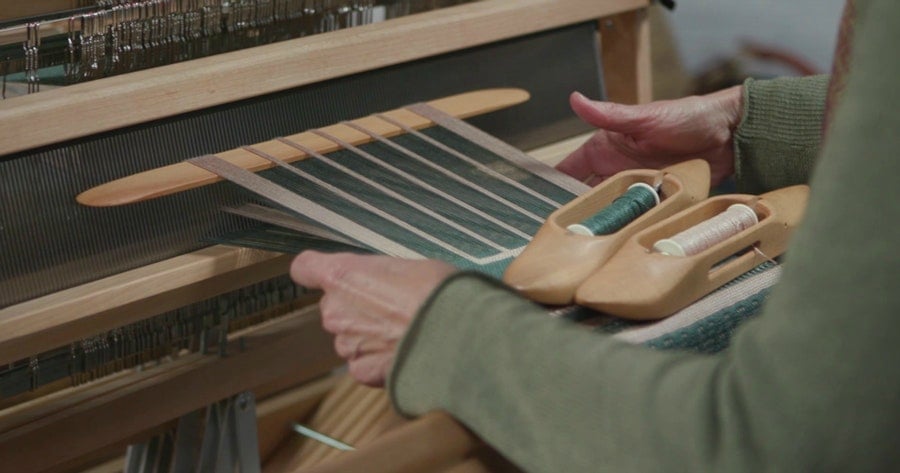
Doubleweave allows you to weave two layers of cloth at the same time. This means winding a double warp, double threading your loom, and weaving with two different sheds, one on top of the other.

Tom Knisely isn’t just a good teacher—he is spectacular. I am so grateful he is a part of our community and an ambassador for all things weaving.