
Christina Garton first fell in love with weaving after taking a class at a local fine art museum. Now, as the editor of Easy Weaving with Little Looms, she’s worked to create a publication that both nurtures newer weavers and challenges more experienced weavers. Christina enjoys weaving on all loom types, from homemade cardboard looms to her 8-shaft floor loom and all the other little looms in between.

Every second weekend in July, artists and artisans from around the globe arrive in Santa Fe to take part in the International Folk Art Market (IFAM). Held on Santa Fe’s Museum Hill, the market features booths from hundreds of artists.
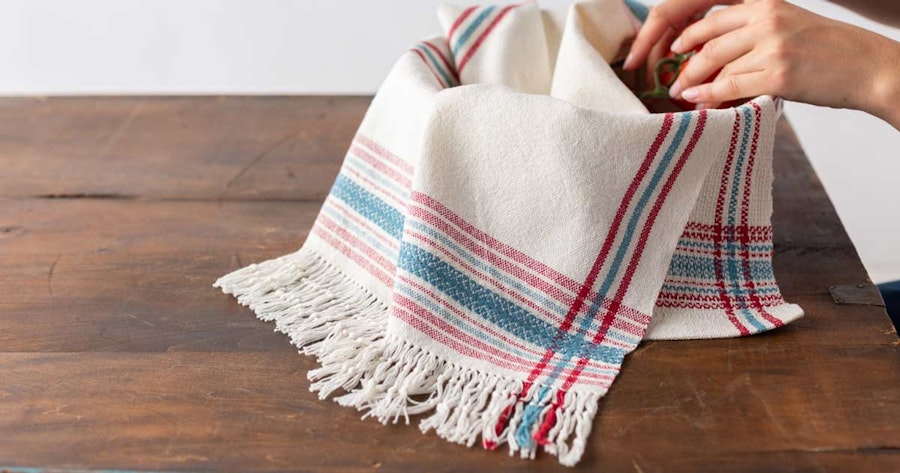
Lattice fringe is a fun and easy way to give your handwoven cloth some extra oomph.
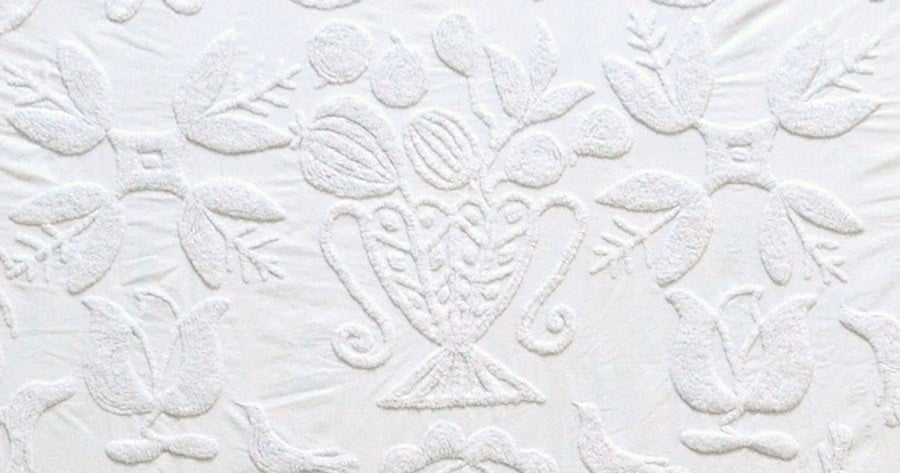
While reading the excellent book The Girls of Atomic City, I was surprised to see a sentence casually mentioning that Georgia was once a hub of chenille production.
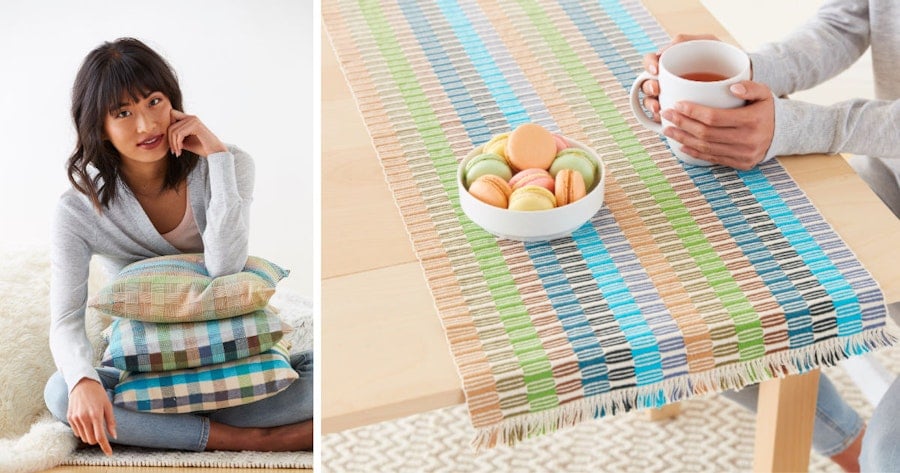
Boredom is the catalyst of creativity and impetus of adventure. As weavers, it’s often boredom that challenges us to try a new structure or technique and to build our weaving skills.
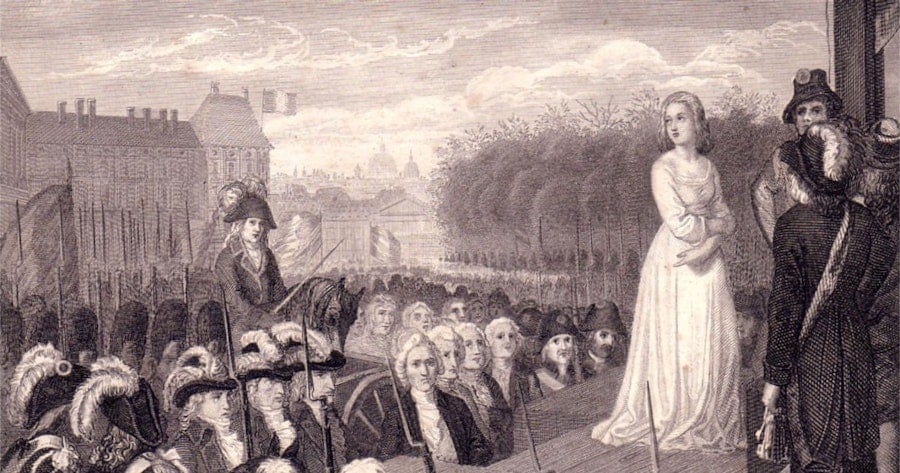
Women would sometimes wear these muslin dresses in all kinds of weather—rain or shine. According to some sources, this led to an increase of respiratory illnesses dubbed “muslin disease.”
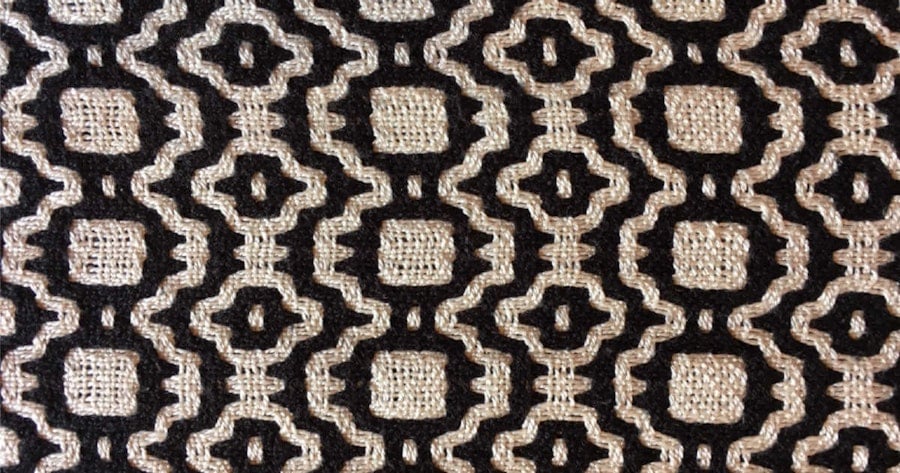
I remember the first time I saw deflected doubleweave—it was a set of scarves woven by Madelyn and featured in the January/February 2007 issue of Handwoven.
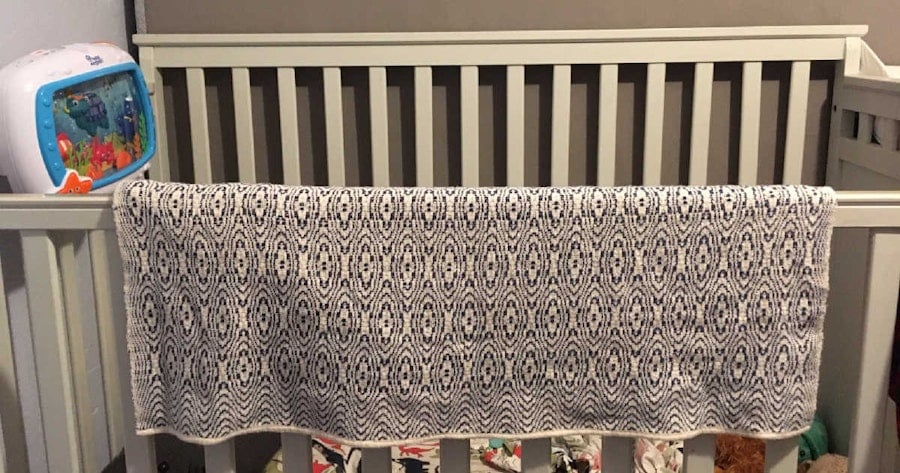
Throughout my pregnancy and my son’s first year, we were gifted many baby blankets. My favorite baby blanket is handwoven.
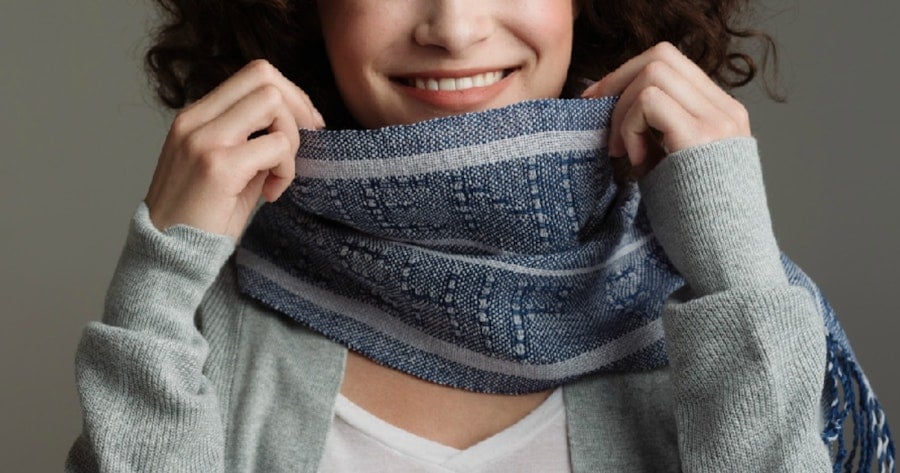
Handwoven Loom Theory: 8-Shaft Scarf Collection is not just a celebration of weaving and complex designs, but also of fine yarns—silk, wool, lyocell, and linen—from well-loved yarn companies.

Ever wondered how bleach works? Christina breaks down the chemical processes that help us keep our whites extra white.
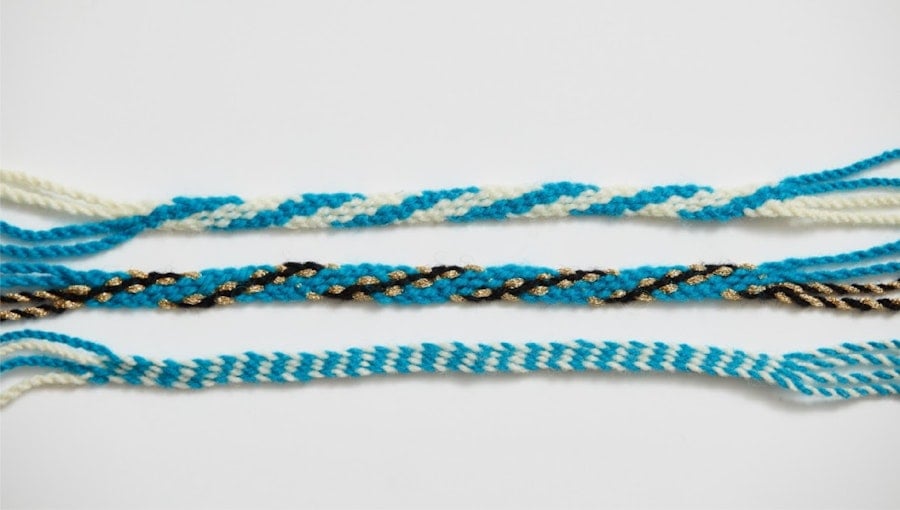
In her simple Fingerwoven Bracelet projects from the March/April 2019 issue of Handwoven, Carol James provides the perfect project for learning this fun technique.


