
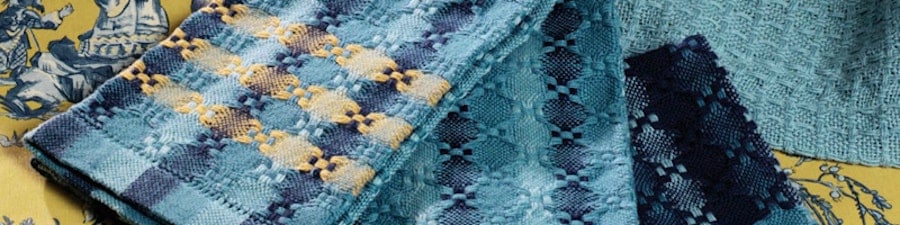
Christina shares her fascination with novelty yarns. Though not usually used for weaving, they can be weaving yarns if you know how to use them!
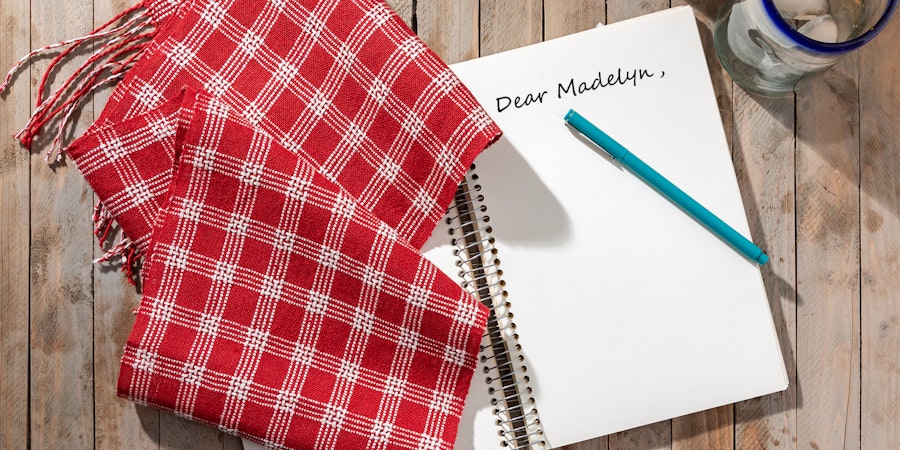
Sometimes handwovens bleed dye, especially if you used yarn dyed with red. Color bleeding can be prevented with good wet-finishing technique. Here's how!
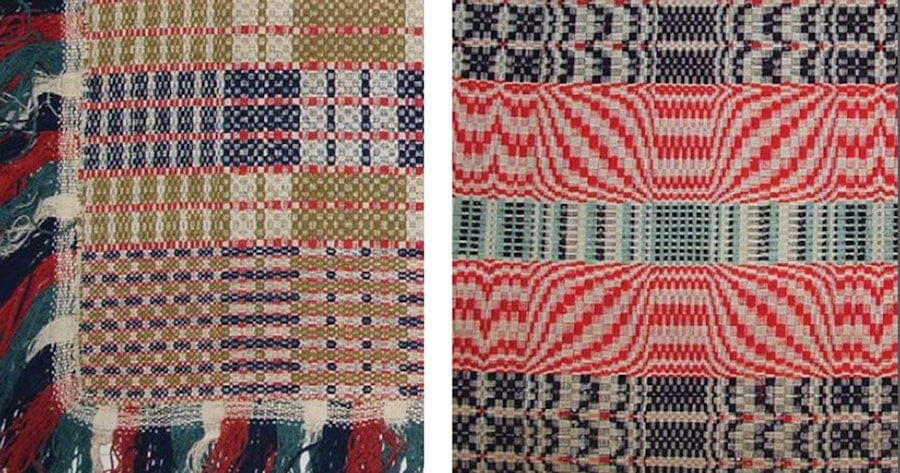
Early American coverlets are a key part of weaving history. Learn why they were so important to American colonial households and how they were made here!
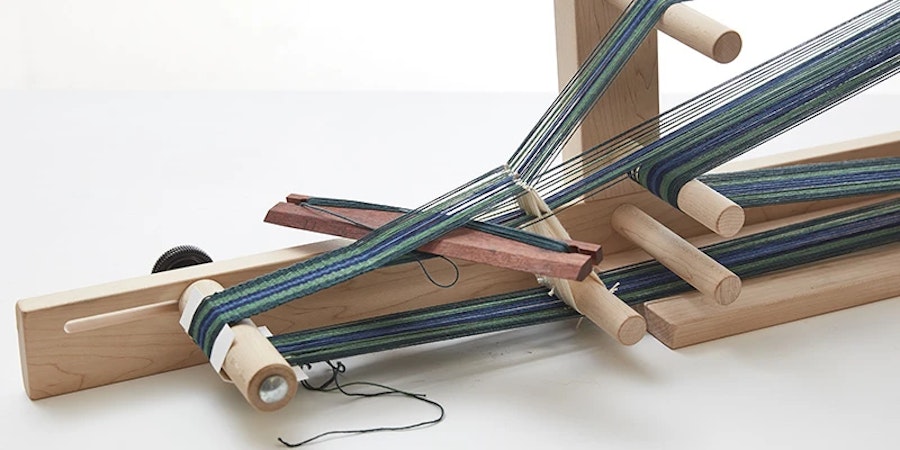
The textile industry was crucial to the development of computers and programming, particularly the origin of weaving computing machines like Jacquard looms.
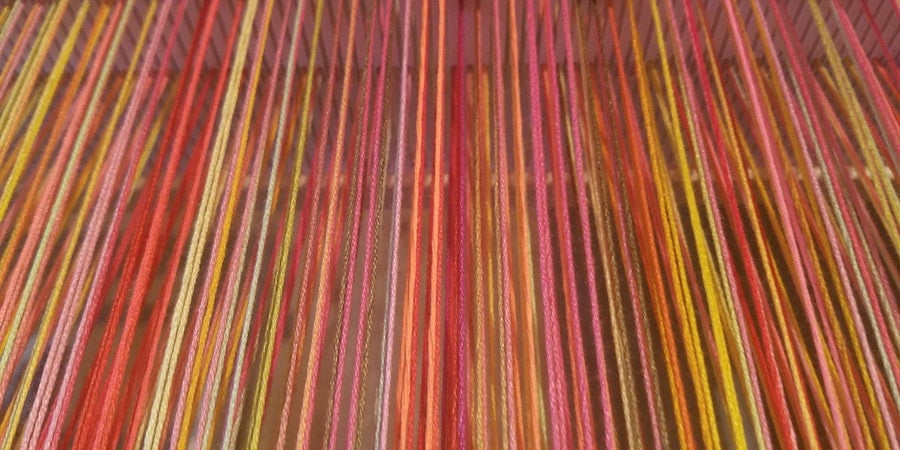
Setting your aim higher than your ability is a recipe for burnout. Here's how to set yourself up for success while expanding your weaving comfort zone!
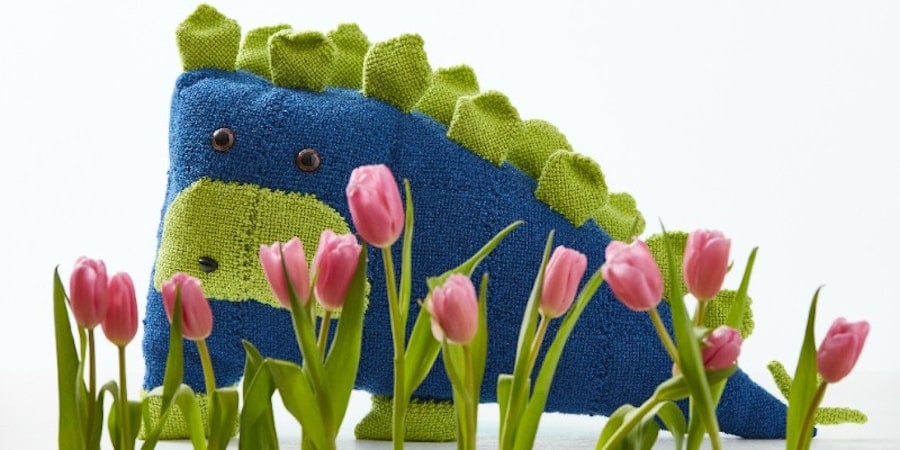
The slip stitch lets you join two folded pieces of fabric in a way that makes the stitch nearly invisible. It's easy once you know how to do it!
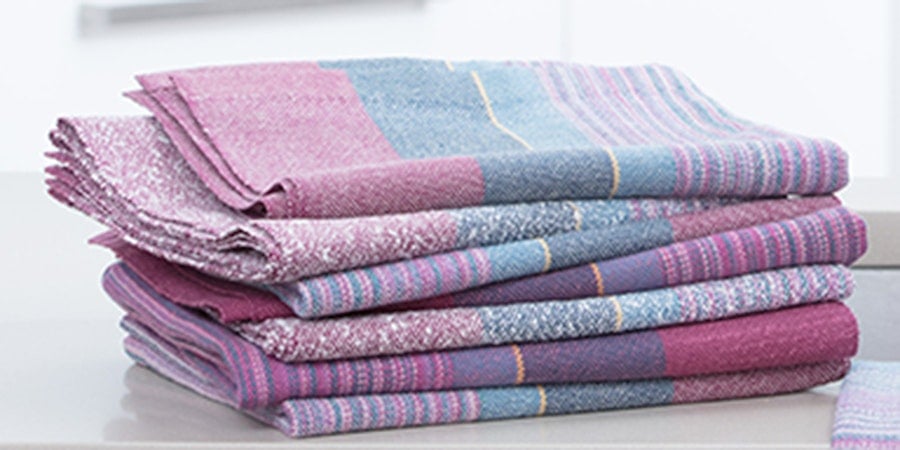
Christina finds inspiration for handwoven dish towels when she returns to her bookshelf. You never know what will strike your eye on the second pass!
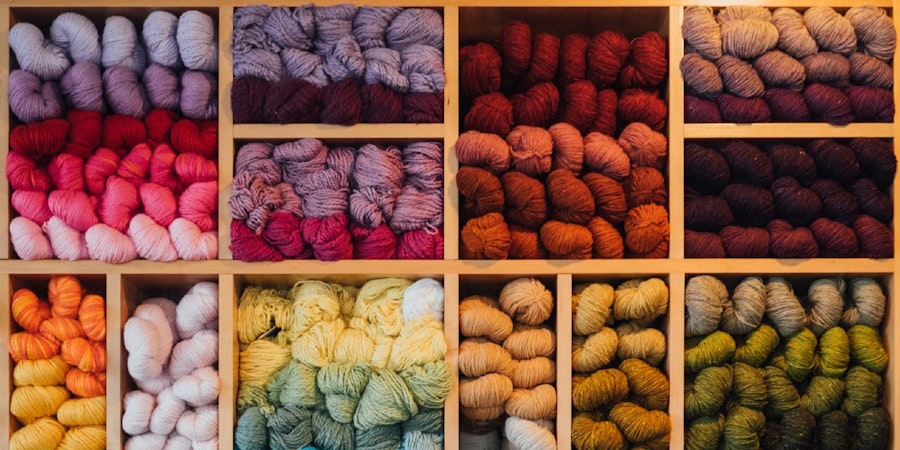
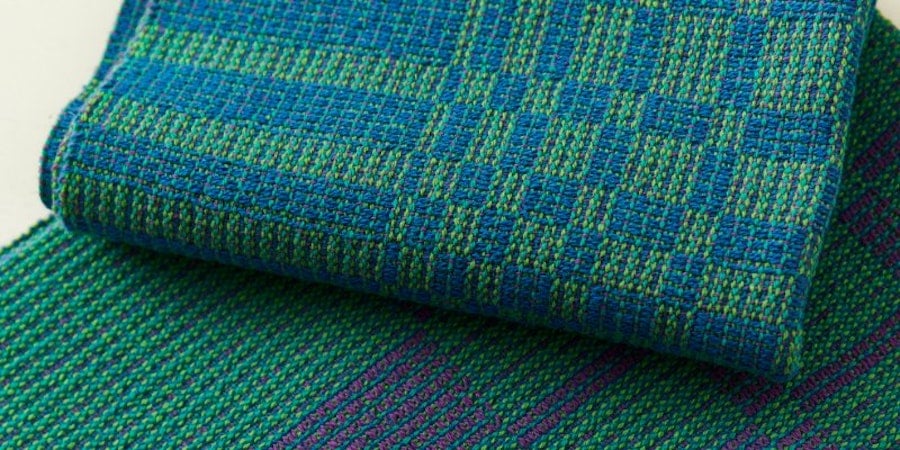
For my breadcloth, I took an even more spontaneous approach. Rather than stick to a few specific colors I grabbed my box of partial bobbins of 8/2 cotton and started weaving.
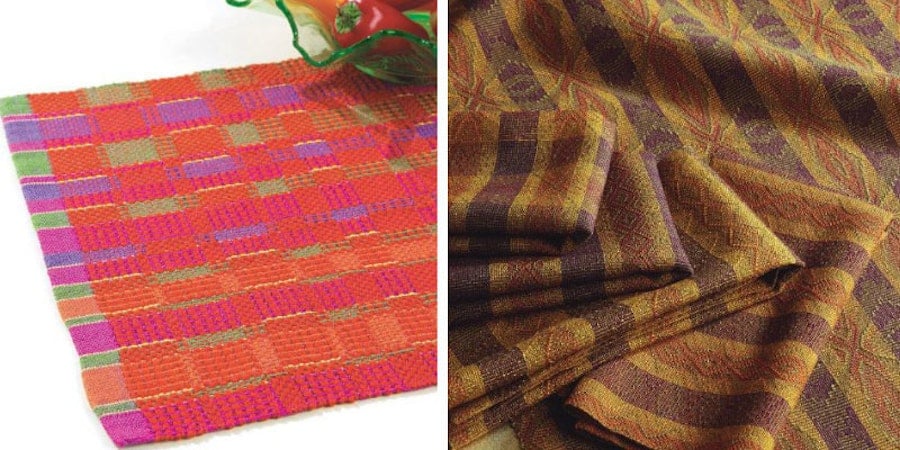
Weaver's block can stop you in your tracks as you fumble around looking for your next project. Read how Christina found a way out of hers.