Explore Global Textile Collections without Leaving Home
A new online museum directory makes it easy to browse from afar.
A new online museum directory makes it easy to browse from afar. <a href="https://handwovenmagazine.com/international-museum-directory/">Continue reading.</a>
https://handwovenmagazine.com/cdn-cgi/image/format=auto/https://www.datocms-assets.com/75077/1781735191-chsdm-090e5d1762882-000001.jpg?auto=format&w=900
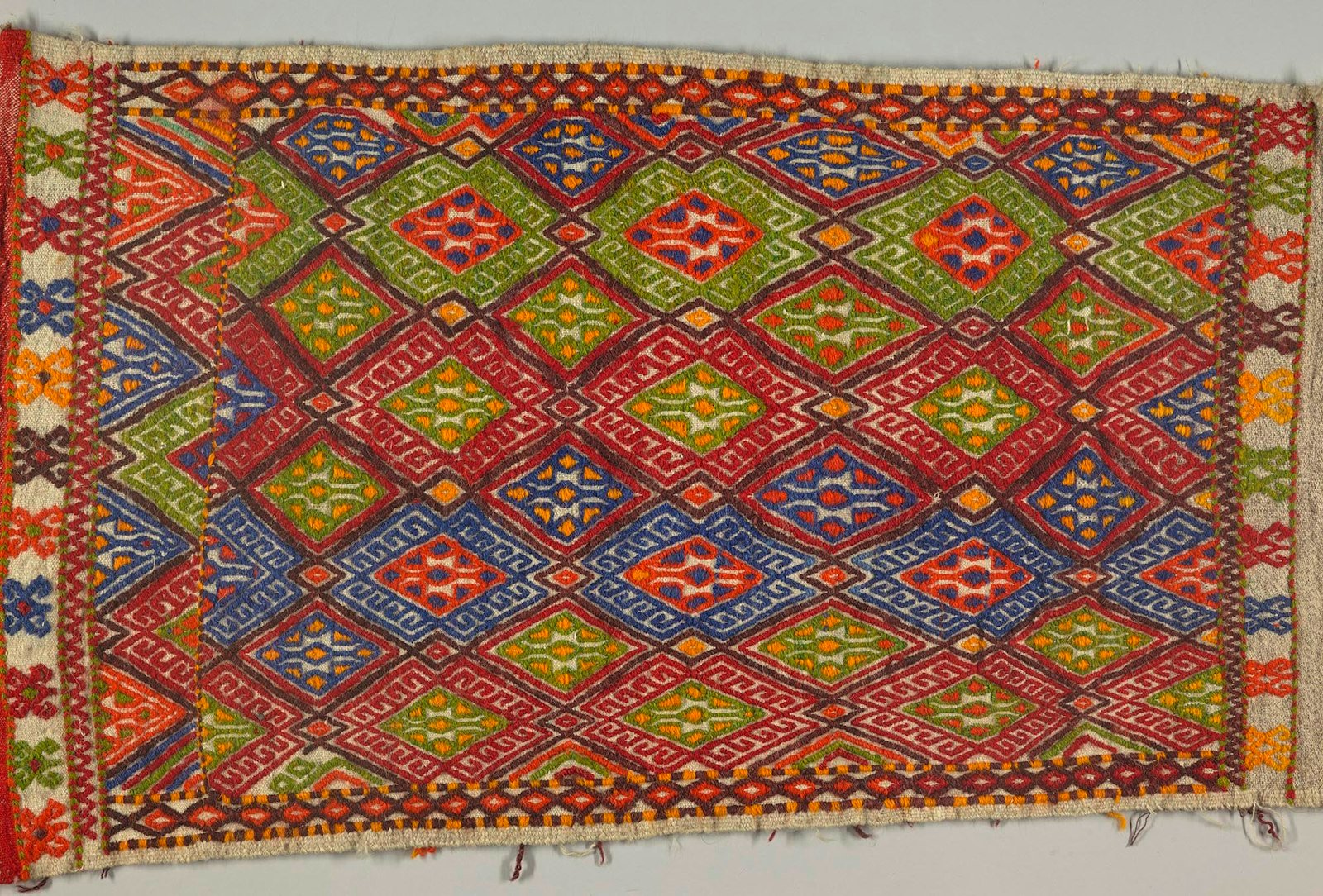
Rectangular plain weave panel woven in wool with supplementary weft. Lozenge design surrounded by narrow borders. Romania, 19th century. Courtesy of Cooper Hewitt, CC0 license
Looking for inspiration for your next warp?
Handwoven’s sister magazine, PieceWork, is proud to announce its online International Needlework Museum Directory. This is a new, searchable database of museums around the world that have textile and costume collections. You can explore collections in the list for design ideas, use it to help you make travel plans, or simply browse it to deepen your love of cloth.
Many of the museums offer digitized holdings that you can view from the comfort of your own couch. Here are just a few of the woven treasures we found:
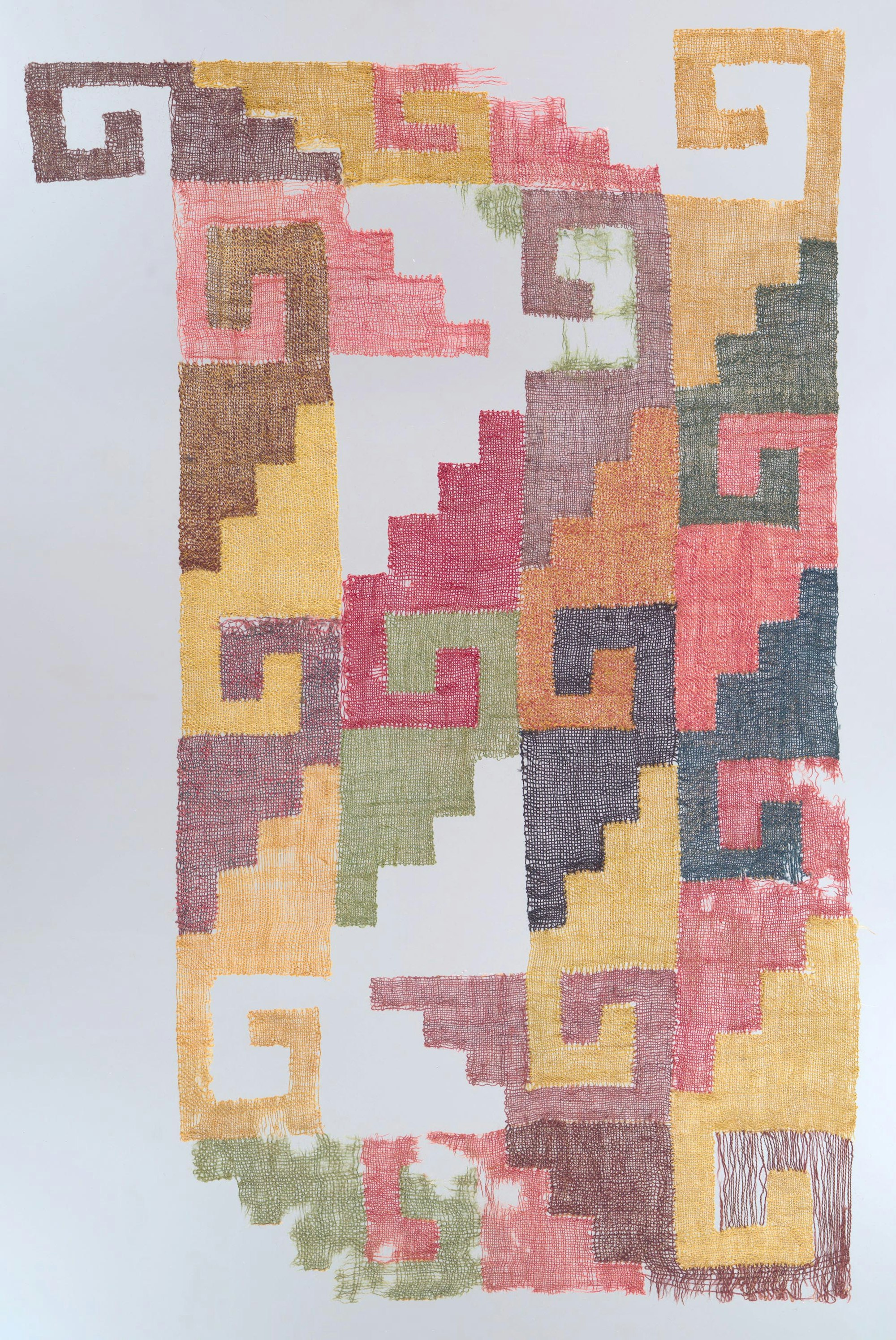
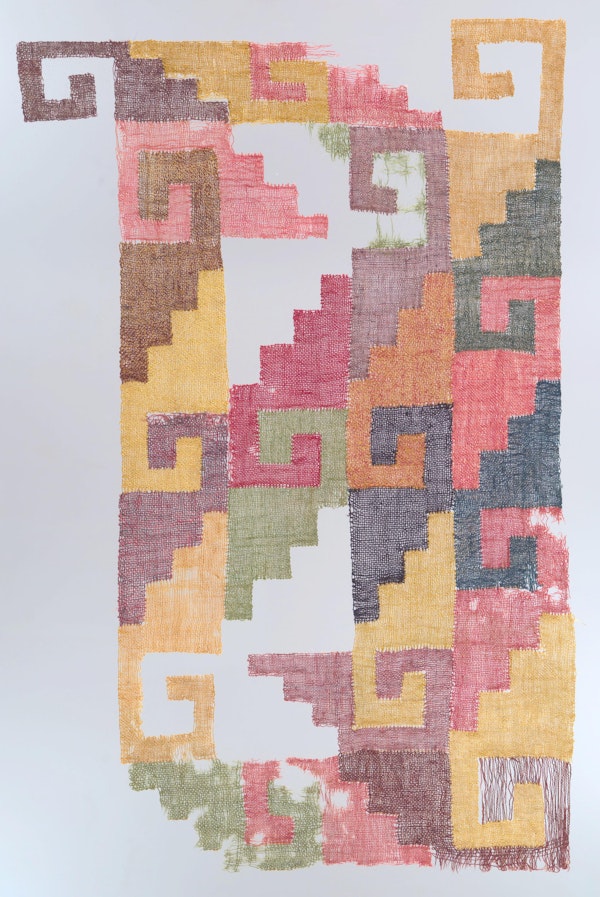 Fragment displaying stepped-fret motif woven in camelid wool and cotton. Plain weave of discontinuous single interlocking warps and wefts. Source: Nasca, South coast, Peru. About 200-500 CE. Courtesy of Art Institute of Chicago, CC0 license
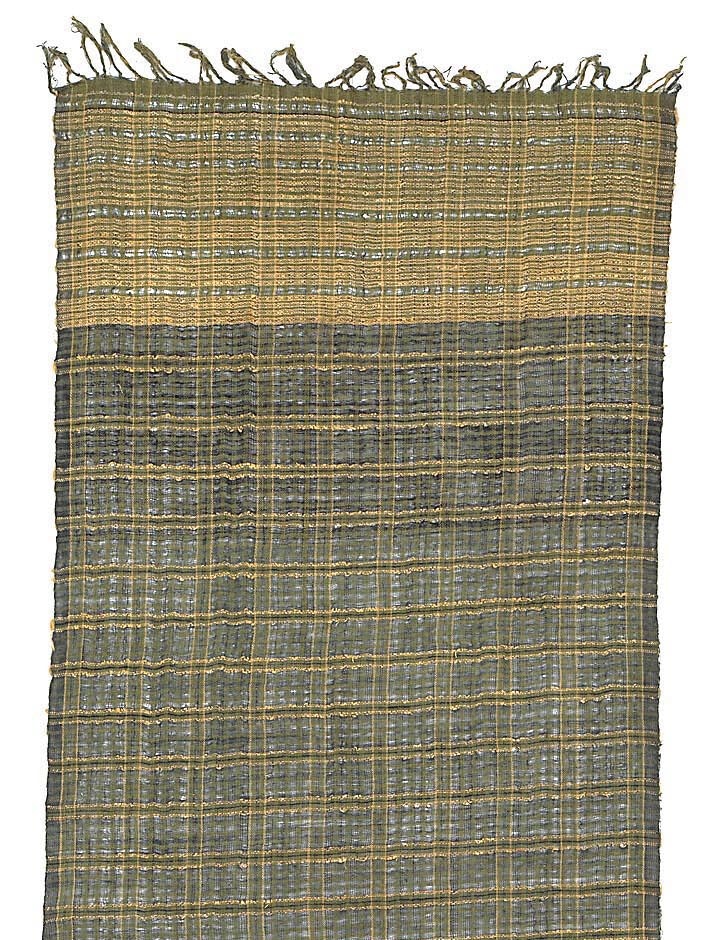
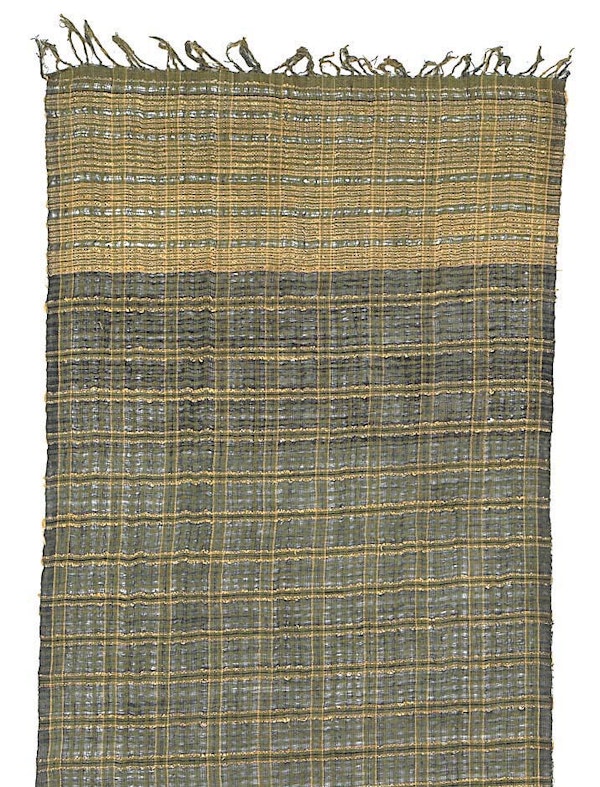 Portion of a ceremonial textile. Cotton and gold-leaf-on-paper-strip-wrapped bast fiber, probably ramie; bands of plain weave; knotted main warp fringe. Source: Bali, Indonesia. 1801-1900. Courtesy of Art Institute of Chicago, CC0 license
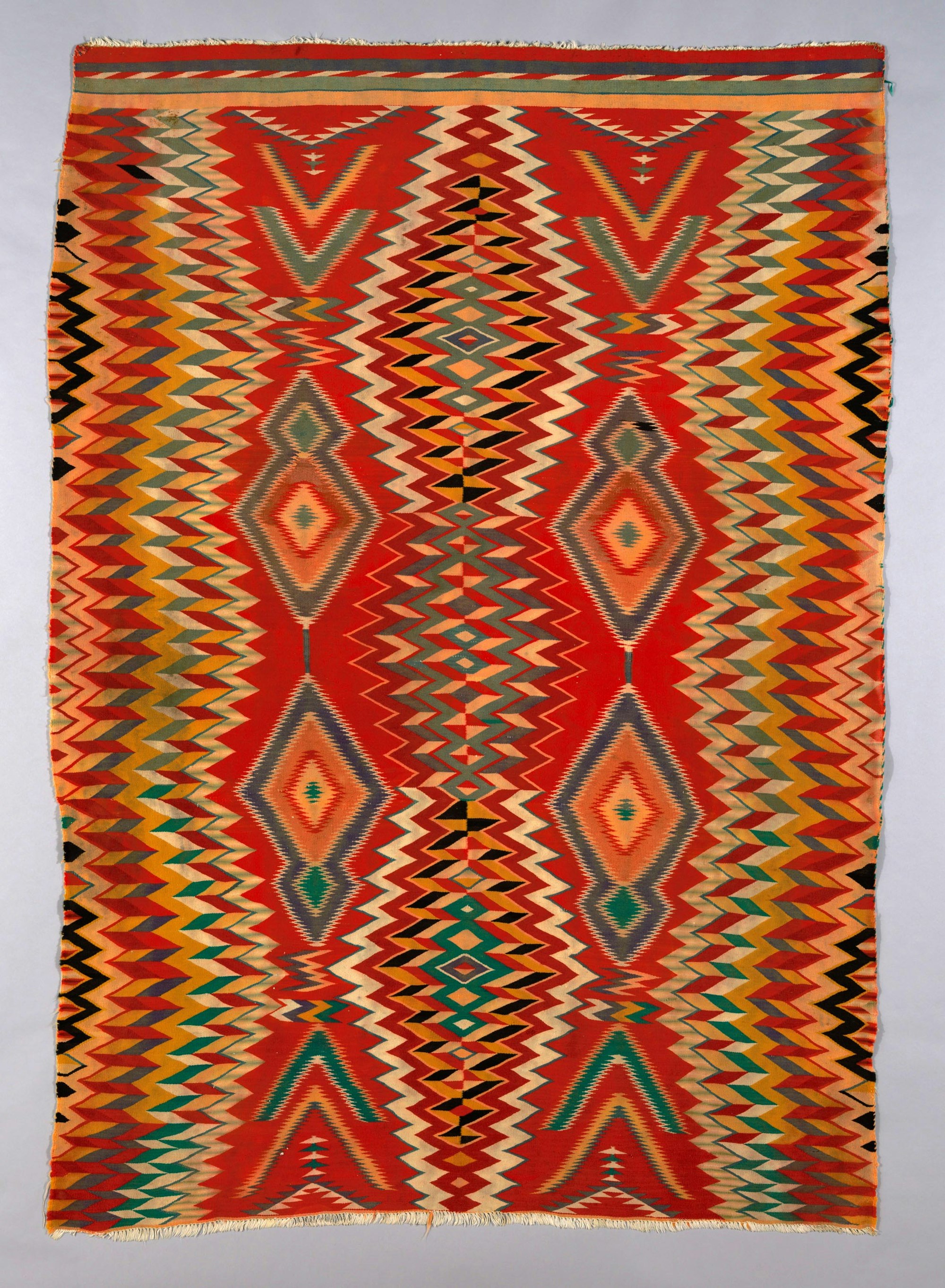
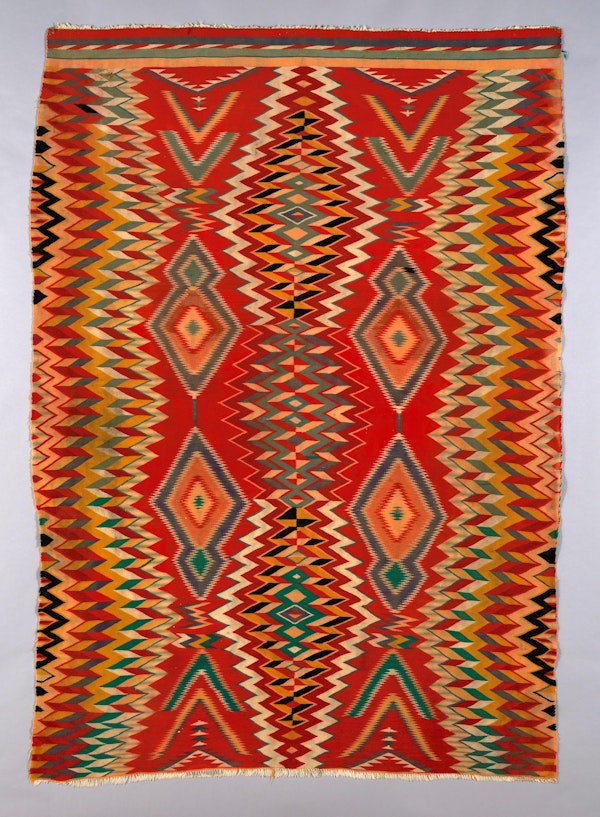 Germantown Eye-Dazzler rug. The Navajo/Diné creator of this blanket used the intense color of commercially dyed yarns and the Saltillo weaving style. Interlocking serrated undulating lines appear to vibrate over the entire surface. Source: Arizona, New Mexico, and Utah. 1800/90. Courtesy of Art Institute of Chicago, CC0 license
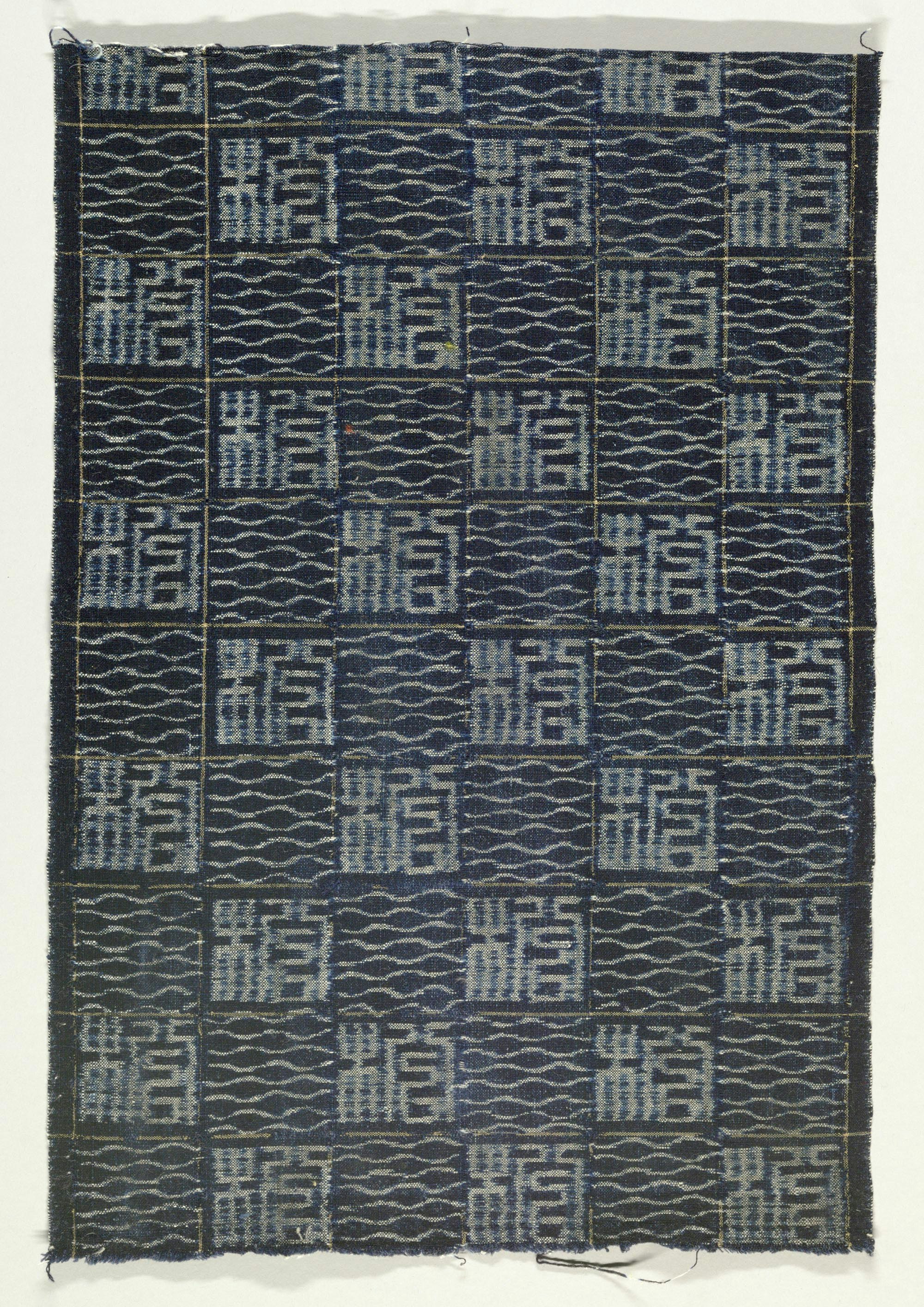
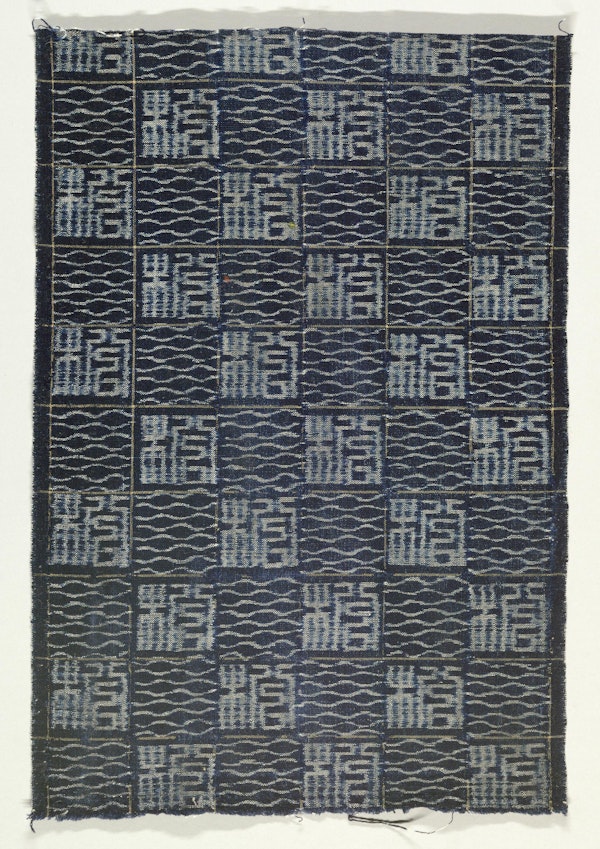 Textile with checkerboard design of two alternating geometric patterns created in the weft ikat or kasuri technique. Cotton, indigo dyed, plain weave. Pattern described as "seal script." Source: Narumi, Honshu, Japan. Late 19th Century. Courtesy of Cooper Hewitt, CC0 license
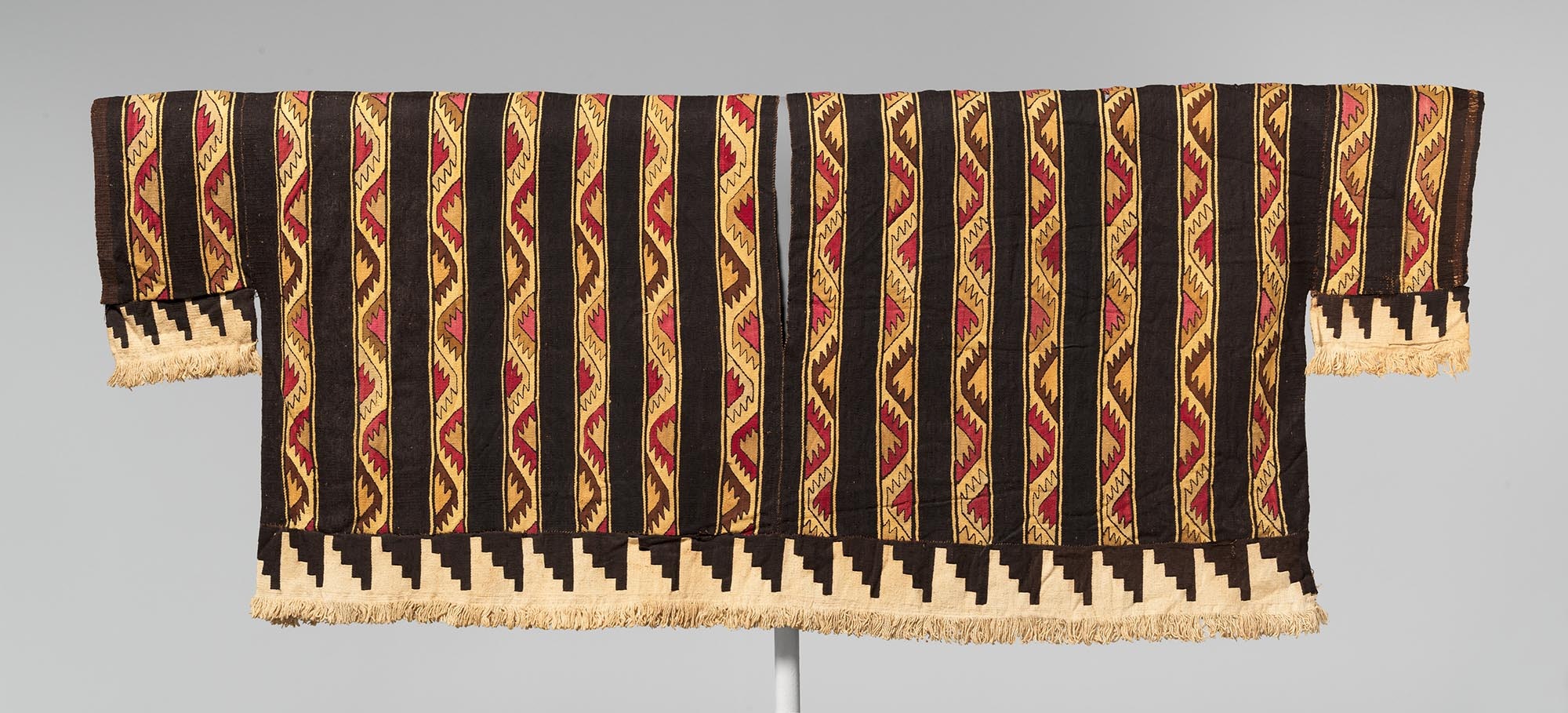
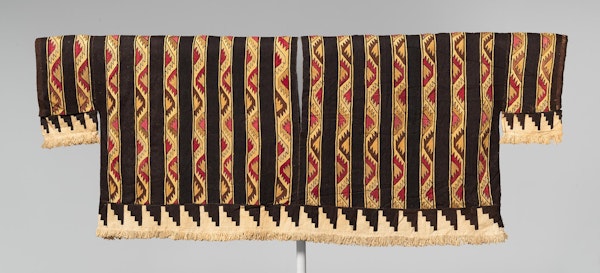 Finely woven shirt, made from camelid fibers and cotton, from Peru’s central coast. This garment was woven in two parts that were later joined by seams at the sides and top, leaving openings for the head and arms. The lower fringed band and sleeves were made separately and subsequently attached. 1460–1540 CE. Courtesy of Metropolitan Museum of Art, CC0 license
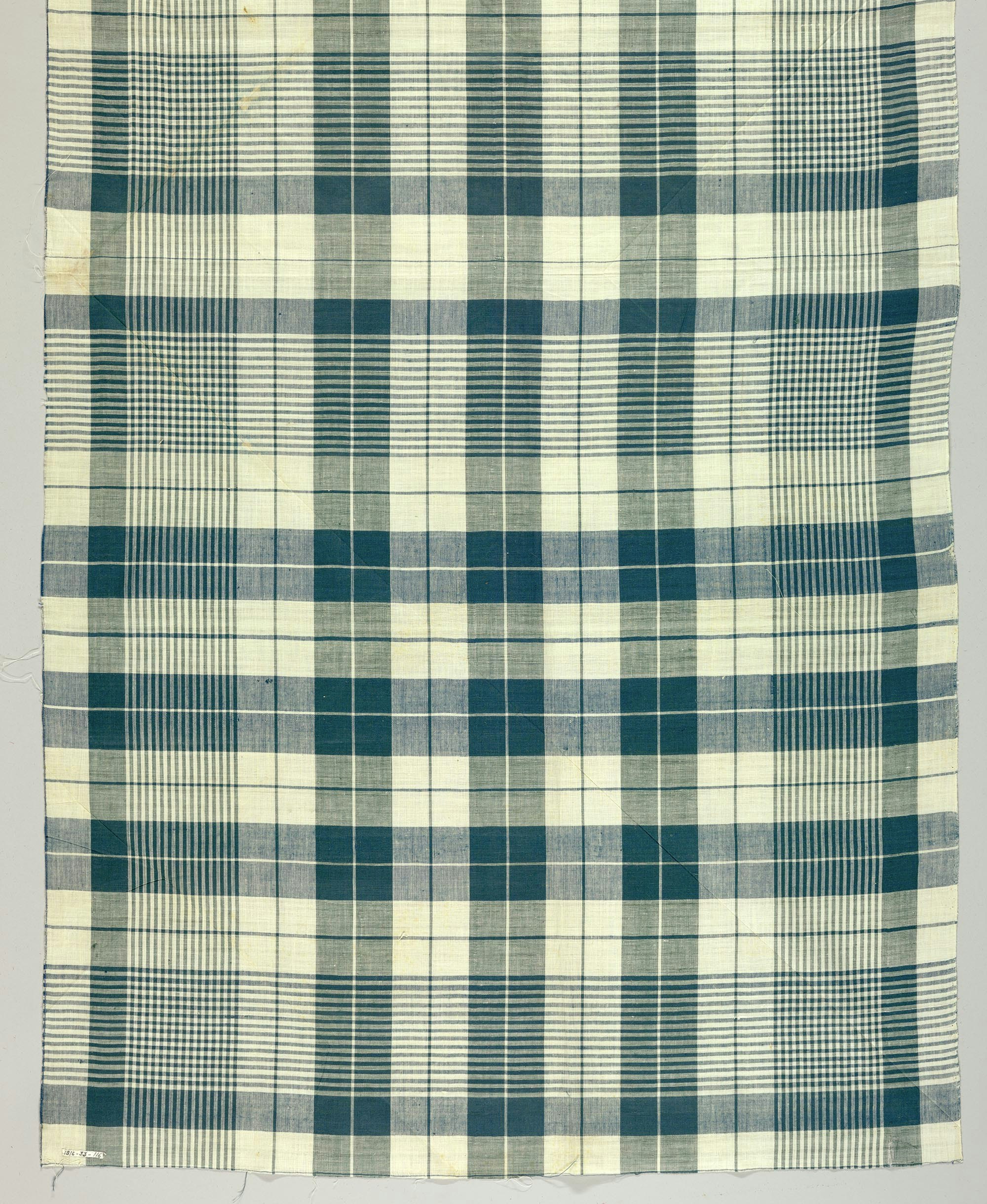
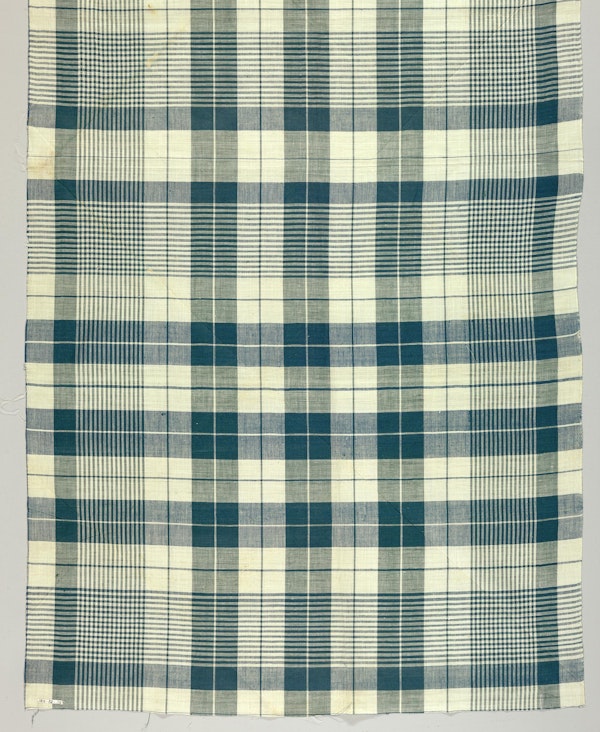 Yarn-dyed woven pattern of large blue, white, and grey checks. United States. Cotton, plain weave, Z/Z twist. Late 19th century. Courtesy of Cooper Hewitt, CC0 license
Click any image to expand.
Museums have long been a great source of inspiration, education, and cultural preservation for weavers, with collections that preserve historic weaving techniques, significant woven works, and textile traditions.
The same holds true for all sorts of other textiles in their collections. As PieceWork editor Karen Brock explains, “No issue of PieceWork comes together without the aid of museums in terms of stories, inspiration projects, history, images. So it was important for me to create this directory to help guide other people to the amazing resources out there.”
Visit pieceworkmagazine.com/museums to search the list of museums for something that interests you.