

Hello Madelyn,
My study group is going to be working on color-and-weave. When I try to read up on it, all I find is information about shadow weave, and then I find myself drowning in details about Marian Powell and Mary Meigs Atwater. Are color-and-weave and shadow weave the same structure, with different ways to describe them? Please help me understand!
—Marina
Hi Marina!
Shadow weave is one type of color-and-weave.
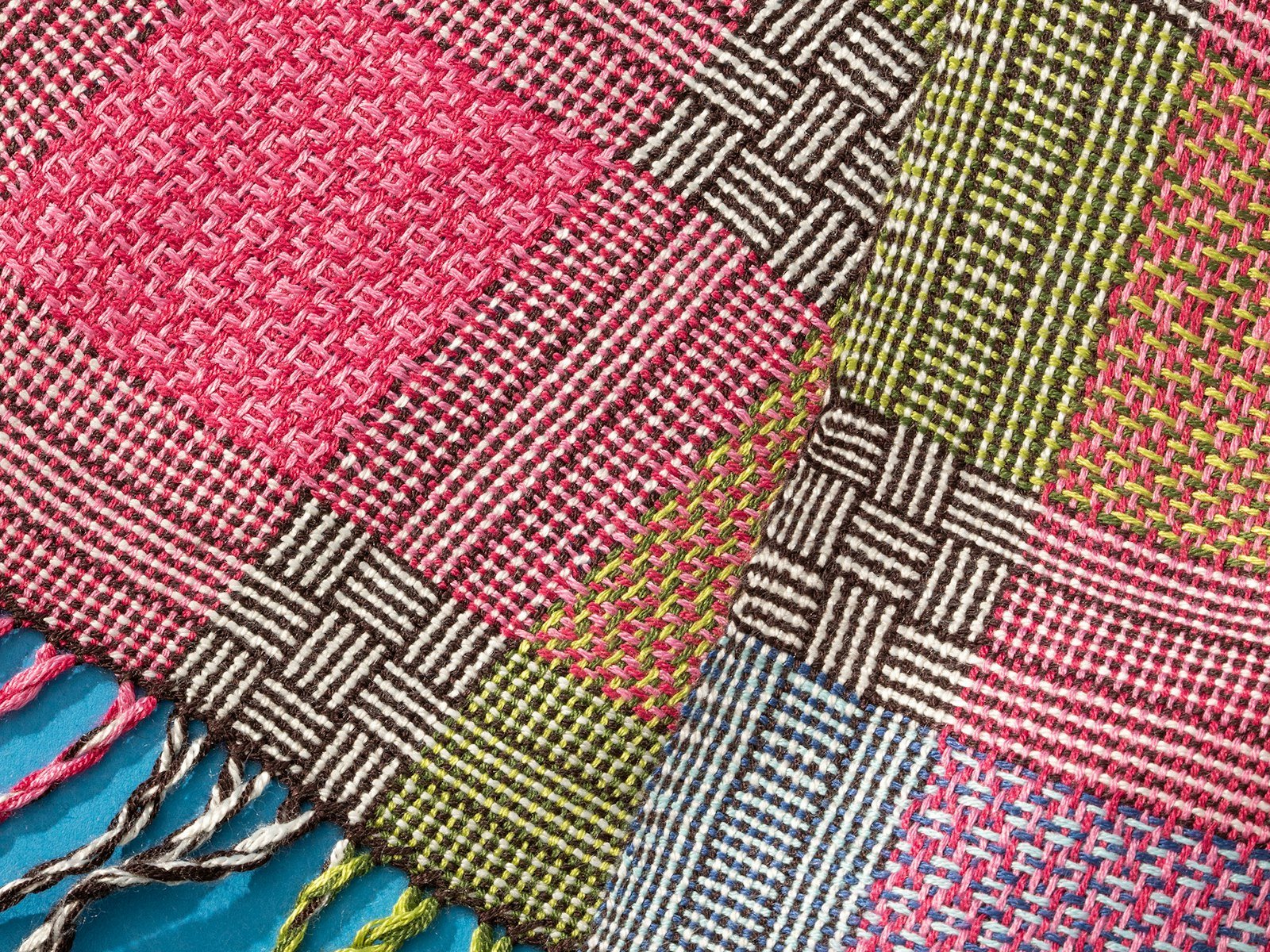
Strictly speaking, color-and-weave isn’t a weave structure. Rather, it’s the result of light and dark warp ends and weft picks that alternate in such a way to produce a visual effect that is different from the structural interlacement. When woven using color-and-weave, plain weave doesn’t look like plain weave, and twills don’t look like twill—see examples in the gallery below.
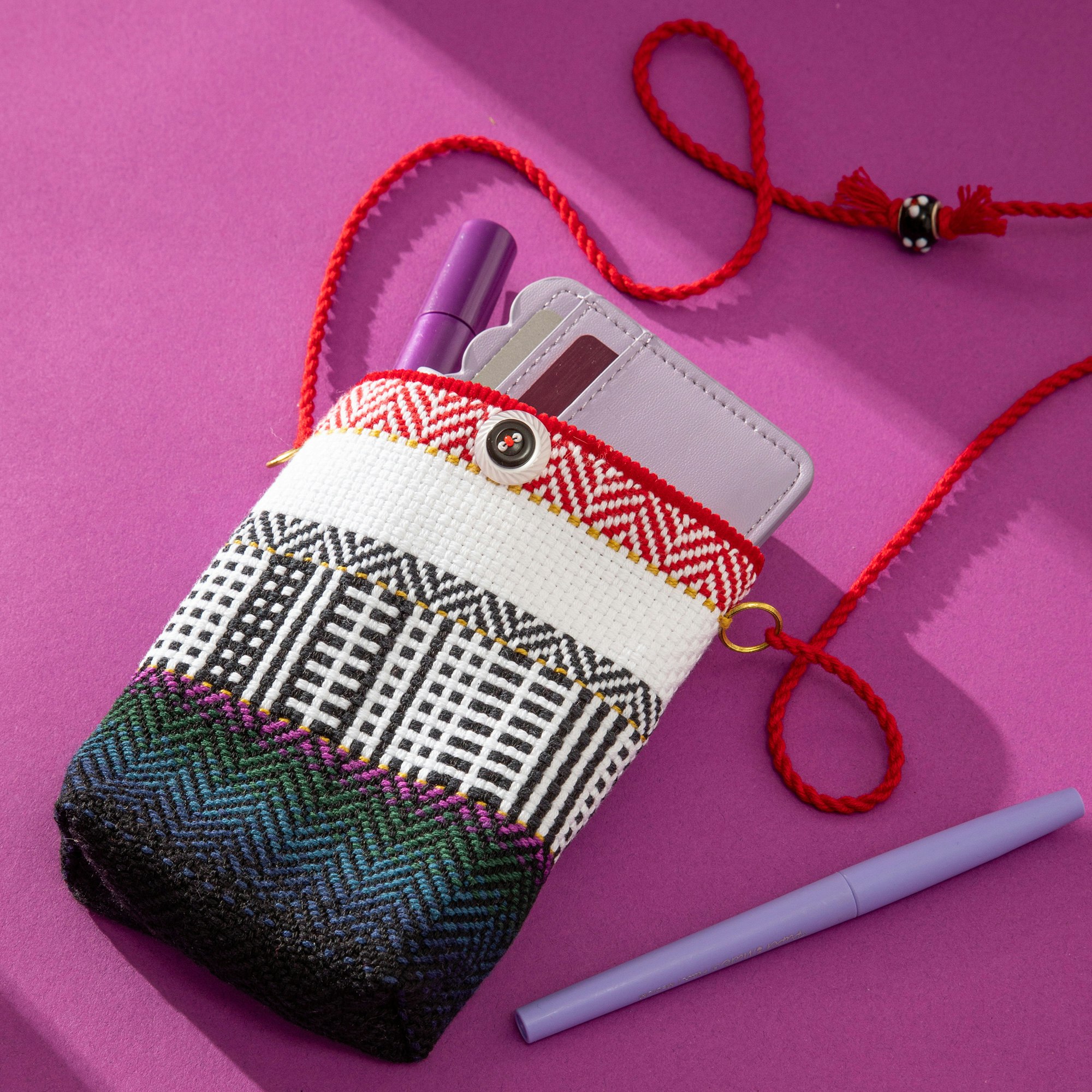
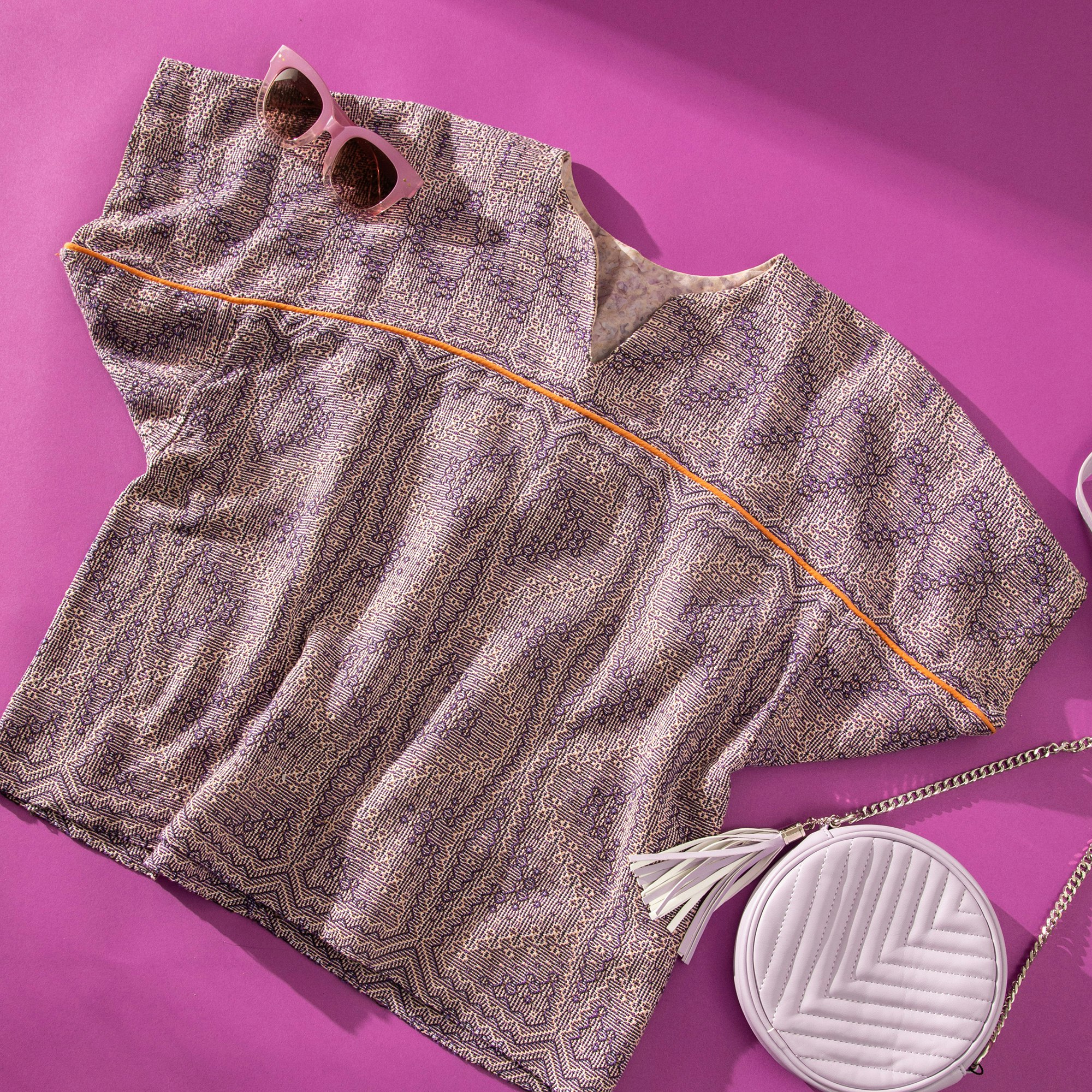
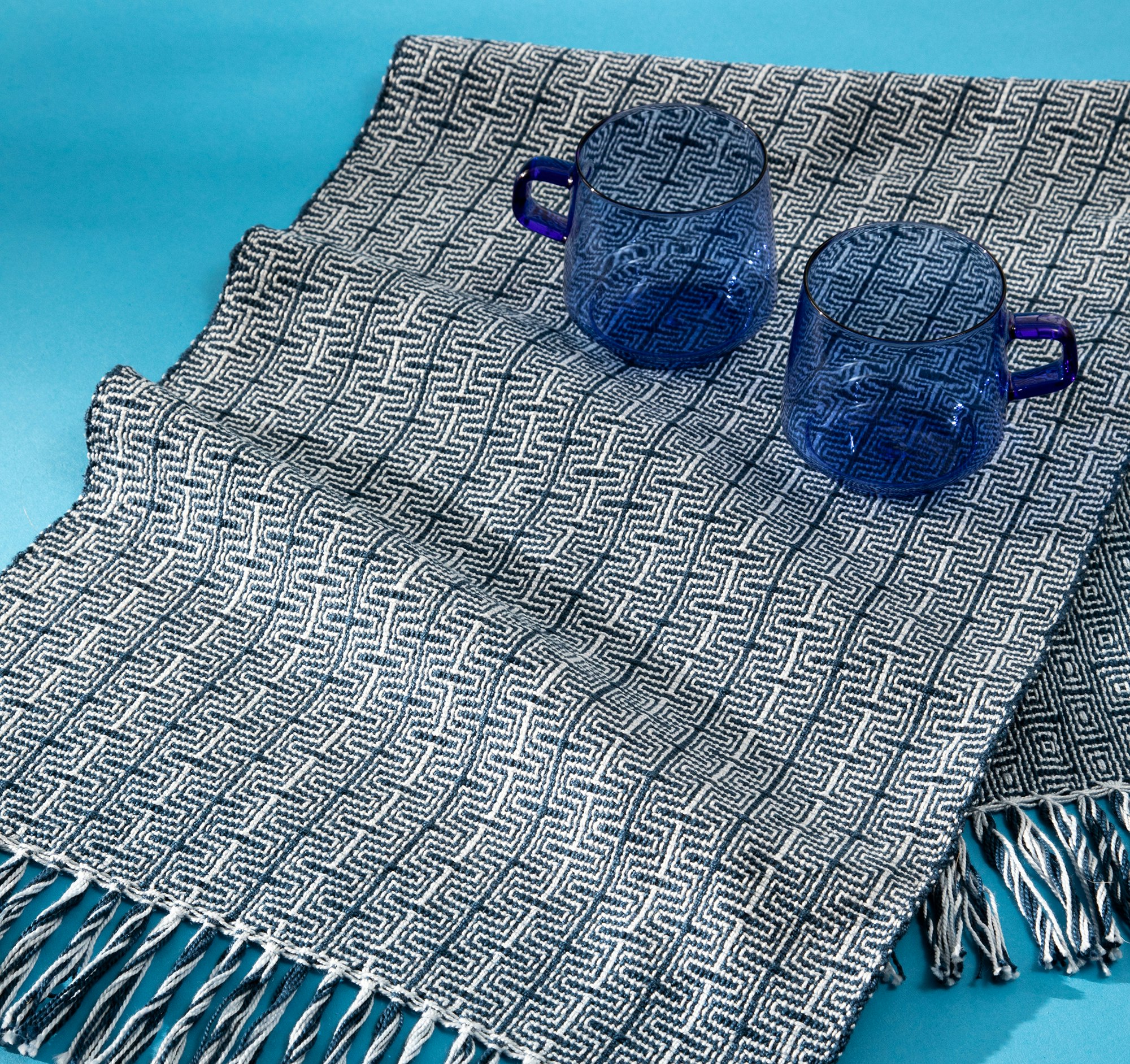
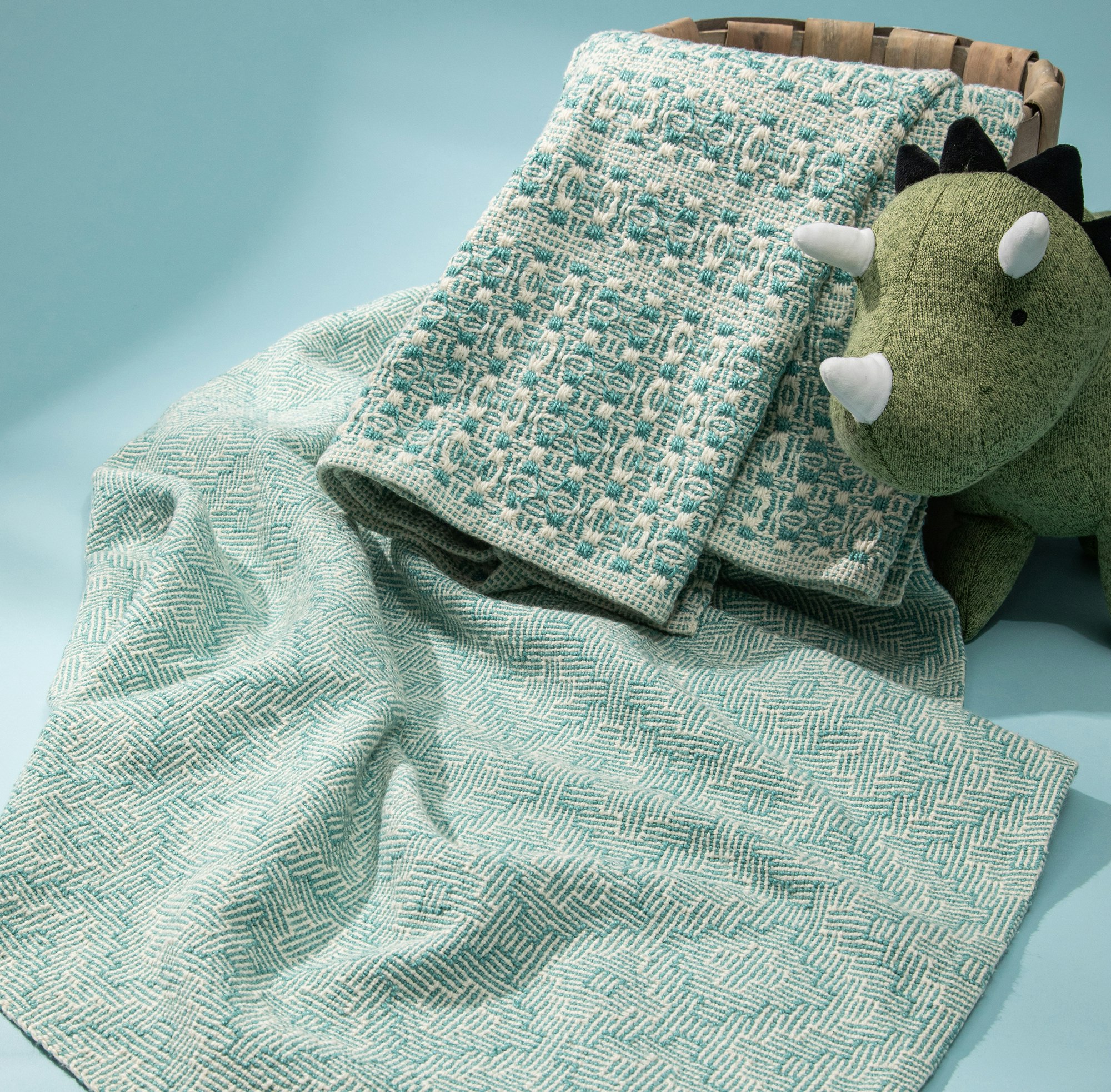
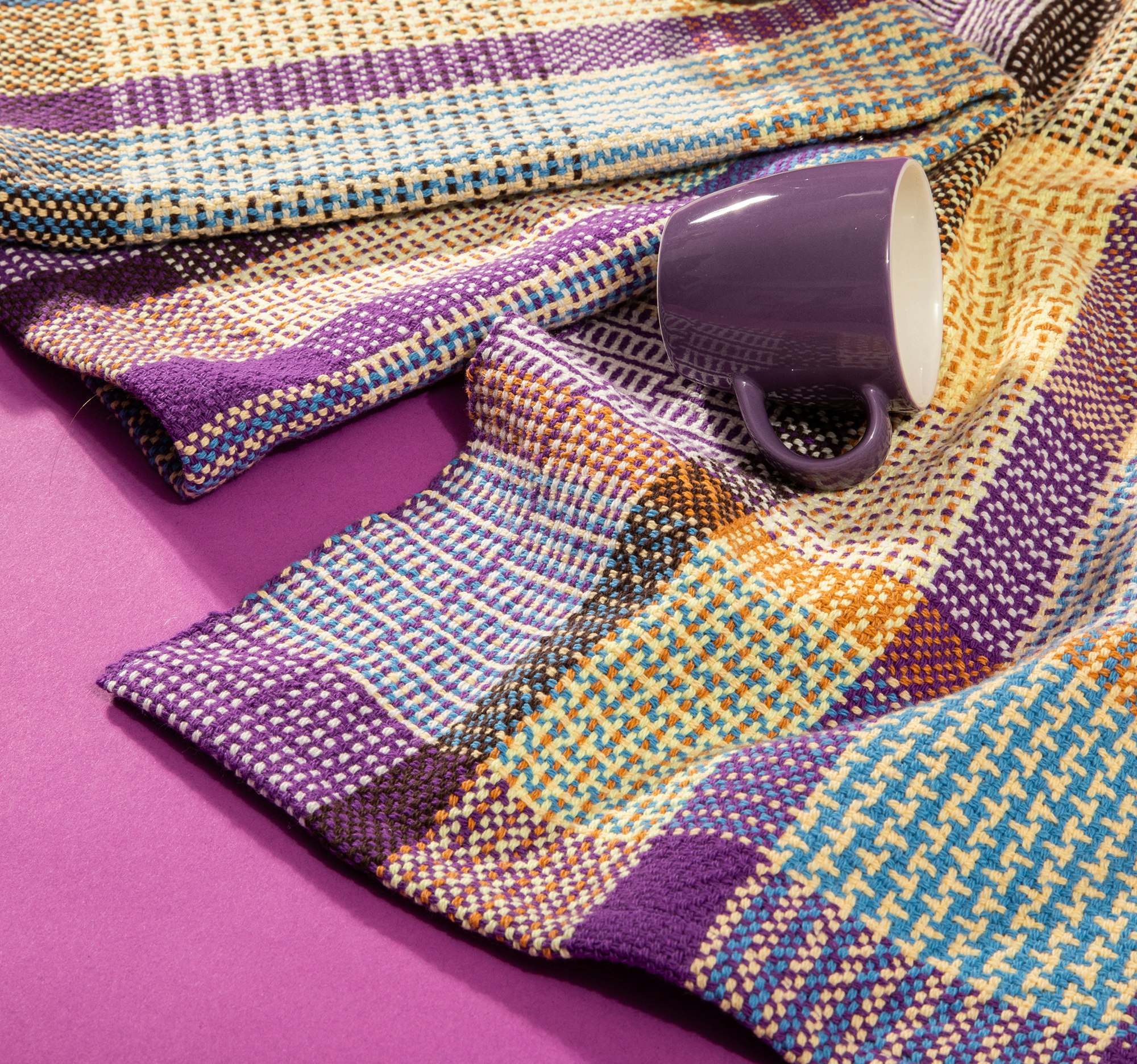
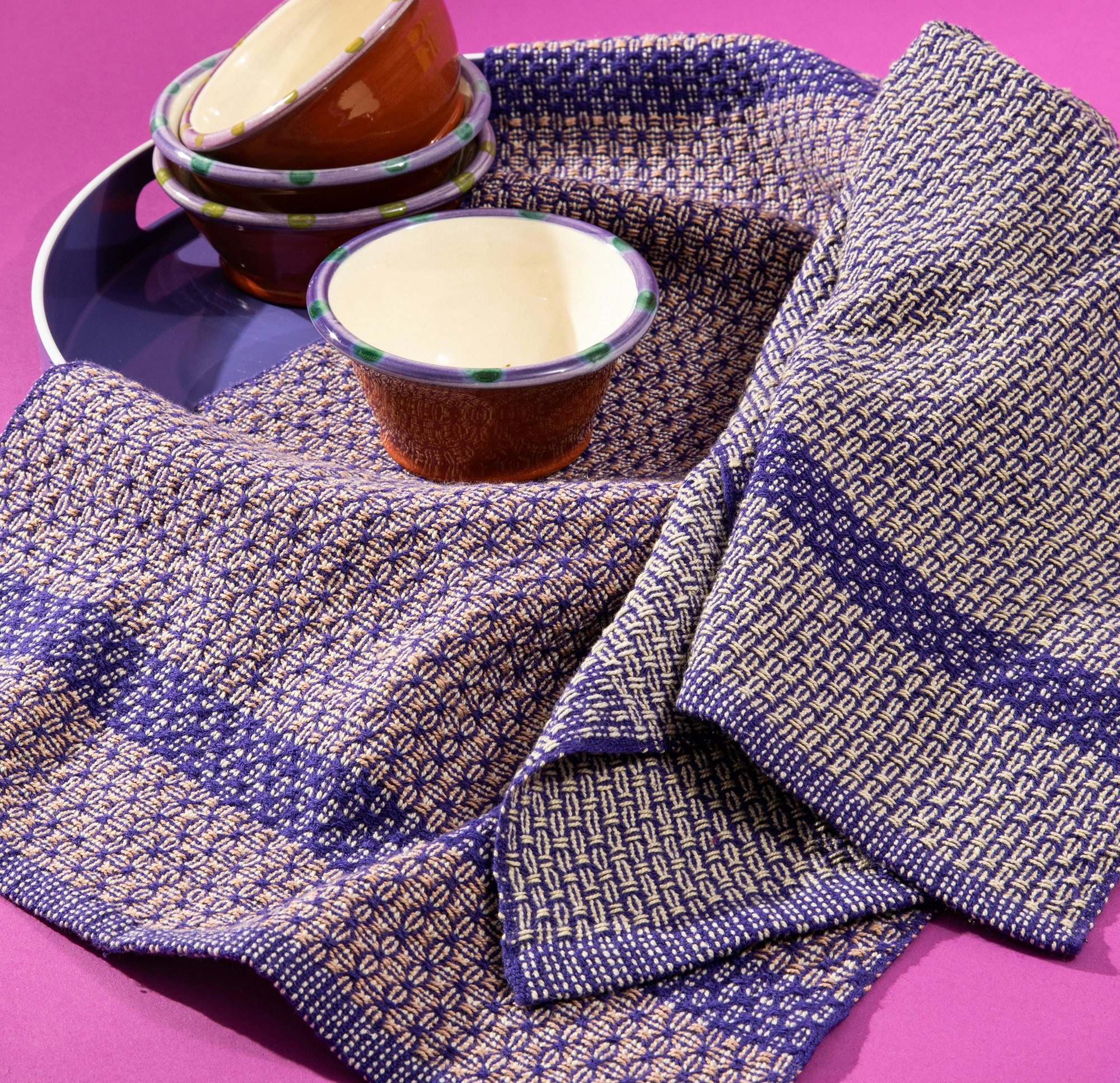
Click any picture to learn more.
Color-and-weave effects are usually associated with plain weave or twill threadings, but they can be created by a variety of other weave structures.
Log cabin may be the best-known color-and-weave pattern. It is magical—simply changing the order of light and dark ends in the warp and weft causes the direction of the woven pattern to switch from horizontal to vertical and back again. It’s all plain weave, but the effect is anything but plain.
Shadow weave produces a color-and-weave effect by alternating dark ends on a twill threading with light ends on the same twill threading, but starting on a different shaft. The treadling follows the same pattern, alternating dark and light ends starting on different treadles.
The alternating lights and darks in color-and-weave can be single ends, two ends, or uneven numbers of ends. Good contrast between them is the key to producing effective color-and-weave, regardless of the structure.
Log cabin and shadow weave can be considered block weaves. Click the Mary Meigs Atwater/Marian Powell link below if you’d like to dive into those waters.
—Madelyn
More About Shadow Weave
You’ll find an abundance of color-and-weave projects, including those shown here, in the May/June 2023 issue.
Learn more about Mary Meigs Atwater and Marian Powell, who were pioneers in shadow weave.
Rebecca Winter’s comprehensive book about shadow weave puts the Atwater and Powell methods of drafting into context, and provides a solid understanding of the weave.
Tom Knisely wrote a book about combining huck lace and color-and-weave.
If you have a weaving question please email Madelyn!
Originally published Nov. 24, 2015; updated May 4, 2026