
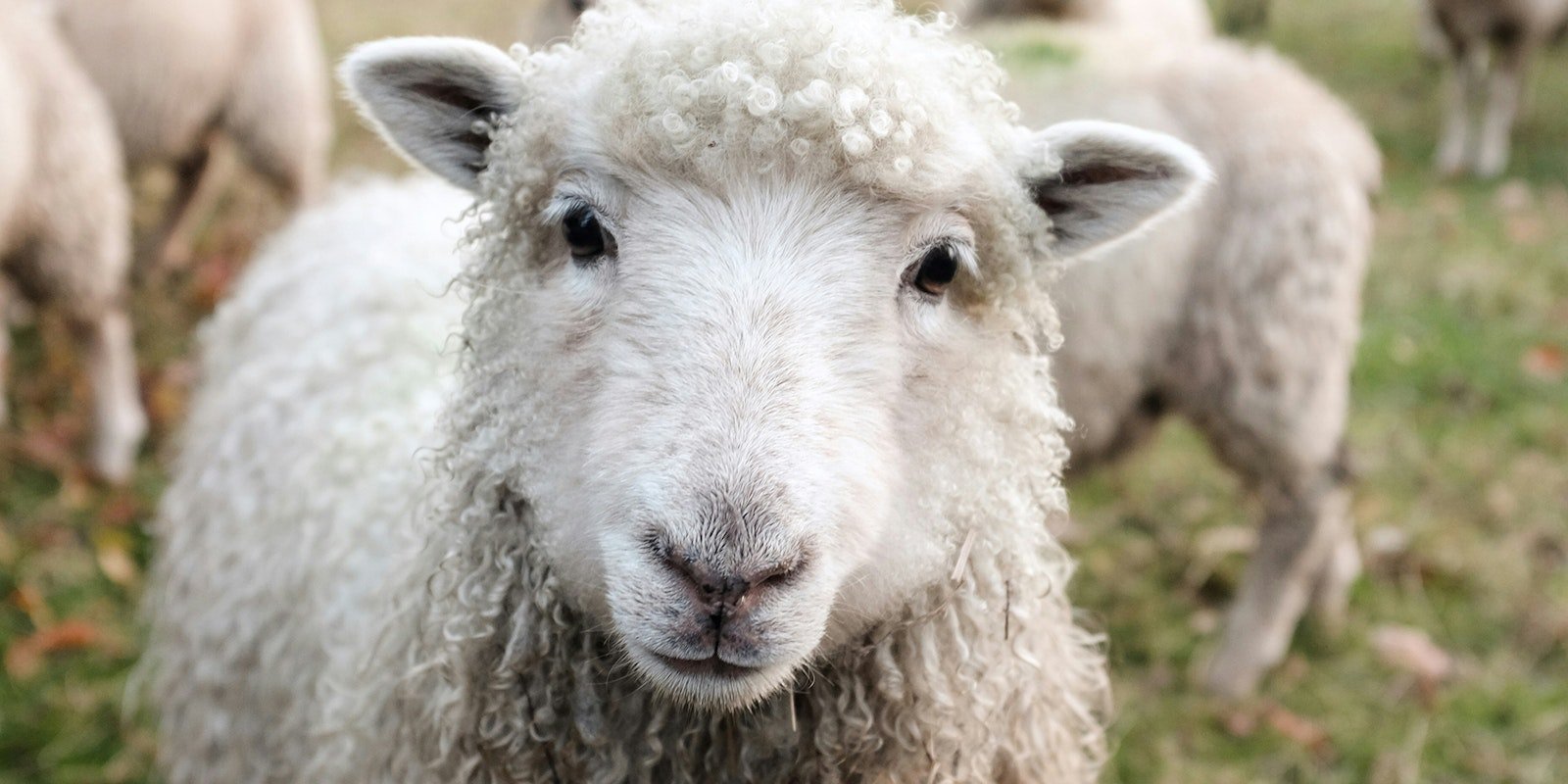
It keeps us warm when the weather is chilly, it’s forgiving on the loom, it’s a sustainable fiber, it can be fulled for even greater warmth, it combines well with other fibers, and it comes in a splendid range of natural shades (but no worries if you’re drawn to other colors, because wool also takes dyes beautifully).
For the Winter 2026 issue of Handwoven, we’re asking designers to consider the wonderful qualities of wool, and then create projects to showcase them.
If this sounds like something you’d like to do, here are a few questions to think about. Have you woven with breed-specific yarn? Is your sock yarn stash out of control? Have you tried brushing or fulling a project? Do you have beautiful skeins you’ve collected at sheep and wool festivals, with no plans in sight for them? Are you eager to try out Zephira (the new Zephyr lookalike)? Do the textures created by differential shrinkage intrigue you? Your answers may lead you down an interesting design path, and we’re eager to see what you come up with!
 Elisabeth Hill’s Bubbles Shawl takes advantage of the unique qualities of two types of wool yarn in a deflected doubleweave design. Photo by Good Folk Photography
What We’re Looking For
Project Specifications
For this issue, we’re looking for projects woven using wool and wool blends in a way that showcases the unique characteristics of wool from sheep (or other wool-producing animals, including goats, camelids, and rabbits). Projects should be made from at least 50 percent wool or wool-blend yarns, and woven on multi-shaft or rigid-heddle looms.
 Yvonne Ellsworth’s Cherry Blossom Scarf is woven in a mohair and silk blend. Photo by Matt Graves
Types of Projects
Of course, we’re looking for scarf and shawl designs—but that’s not all. Here are some of the other types of projects we’d like to see:
- Rugs
- Blankets and throws
- Table runners or mug rugs
- Pillow covers
- Garments (such as vests, jackets, and ruanas)
- Bags
Send in your ideas for handwoven (and fulled and sewn) items; your projects using bouclé or pencil roving; your vibrant tartans or fancy twills; your doubleweaves in subtle colors; or your up-to-the-minute overshot.
If your idea to show off wool isn’t on this list, don’t be shy—please show us!
 Sandi Lemons’s Tuscan Summer Rug, woven in krokbragd, puts a cheerful palette of wool to good use. Photo by Matt Graves
Using the Palette
You can find the palette for the issue here. Please note that all natural shades of wool are acceptable, whether they’re shown on the palette or not. We’d like a mix of projects woven in naturally colored wools, projects that combine naturally colored wools with pops of saturated dyed yarns, projects that use heathered yarns (even if they are not as vibrant as colors on the palette), and projects that use vibrant yarns that match the palette.
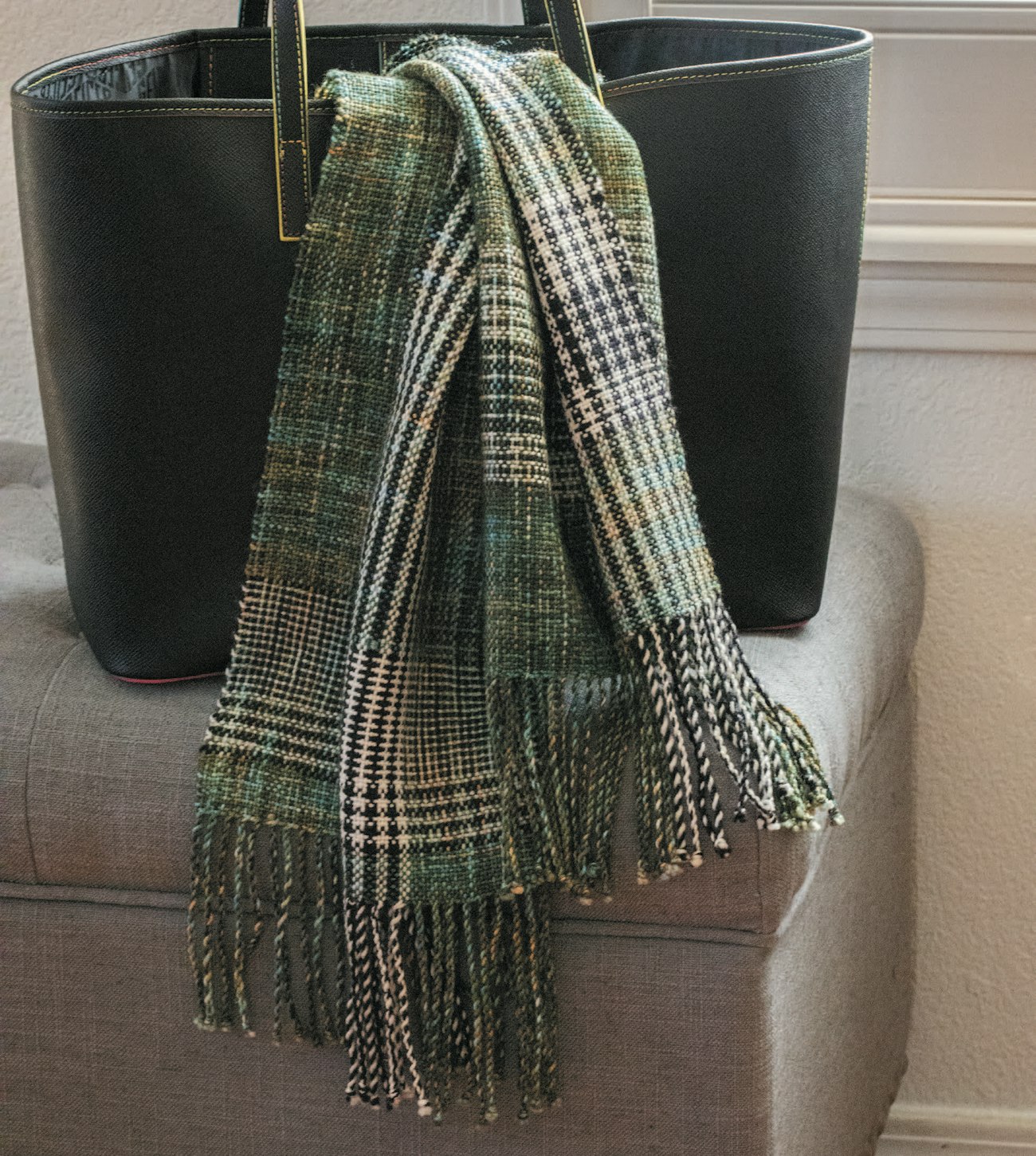 Carla Jeanne Hubbart’s Zebras on the Serengeti shawl uses handpainted fingering weight wools. Photo by Matt Graves
Submitting Proposals
We base our project selections for each issue on contributor photographs. With each project proposal, please include a photo or photos of the fabric on the loom, of the finished item, or of items you’ve woven that are most similar your project proposal. If your project uses small-batch yarn, please include a picture of a skein (before weaving), and suggestions for a commercially available alternative.
We will review the proposals and ask for additional photographs if needed. After the project-selection meeting, we will contact everyone whose project is accepted and ask that they be submitted along with the project paperwork by the due date below.
Articles do not need to be fully written before submission. Please include an outline for the piece as part of your proposal. Outline attachments should be submitted as Word documents, Pages documents, or PDFs.
Key Dates
• Proposals for projects (including preliminary photos) and articles due: 1/12/2025
• Additional photographs of projects due: 3/2/2026
• Project and article acceptances sent: 3/30/2026
• Physical projects with paperwork due: 4/20/2026
• Article text and photographs due: 4/30/2026
Submission Forms and other Resources
Please use our Handwoven submission form for proposals. Our submission guidelines can be found here.
Use the email address below for any questions or inquiries that won’t fit into our submission form. Please contact us and ask for a physical address to send any pieces of your proposal that cannot be emailed.
Editorial email: [email protected]
We’re looking forward to seeing your proposals for projects and articles!
Happy weaving!
Lynn